






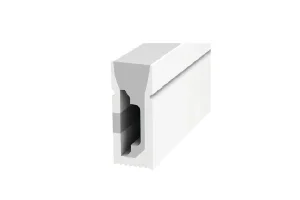


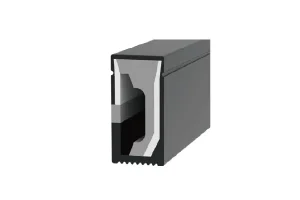


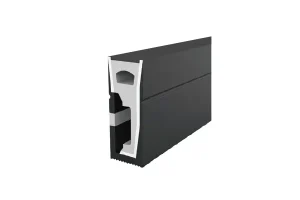
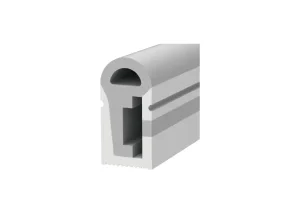




















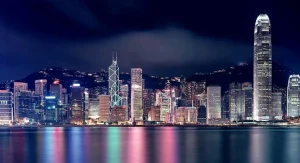
The city’s night reveals another face. As the clamor of day fades, light becomes the brush that paints this visage. Among the myriad urban light sources, neon lights, particularly authentic gas-glow neon (Neon), once defined countless classic city nightscapes with their unique charm – the vibrant atmosphere of Hong Kong’s Temple Street, the cybernetic pulse of Tokyo’s Shinjuku, the opulent dreamscape of Las Vegas. It was not merely a commercial cry but a visual manifesto of urban character, poetry flowing in the night, a symphony of light and shadow solidified on building facades. However, the essence of this light that once illuminated the city’s soul is being eroded, distorted, and even extinguished by the proliferation of cheap neon light strips. The uglification of urban landscapes finds a key and complex actor in these neon light strips against the backdrop of night.
I. Authentic Neon Light: The Delicate Fusion of Aesthetics and Function
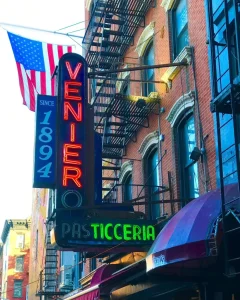
To grasp the importance of neon lights, one must first understand their original form – gas-discharge neon tubes.
-
Irreplaceable Visual Texture: Authentic neon tubes rely on inert gases (neon for red, other gases or phosphor coatings for various colors) glowing under a high-voltage electric field. Their light is soft, warm, and possesses a subtle gradient, like diffused ink wash or mist. It is not glaring, yet penetrates the night with excellent long-distance visibility. This unique “halo” effect is unattainable by cold LED light sources.
-
Infinite Morphological Possibilities: Glass tubes can be expertly bent by skilled craftsmen into almost any shape – smooth curves, sharp angles, complex graphics, or text. This allows neon to seamlessly integrate with architectural contours, becoming an artistic extension of the building itself, rather than a crude appendage. Its strong lines and clear outlines create powerful visual impact and artistic expression.
-
Deep Dialogue with Space: Classic neon landscapes often emerge in areas characterized by narrow, high-density streets, dense low-to-mid-rise buildings, and a human scale (e.g., parts of Hong Kong, Tokyo). Neon tubes can span streets, hang at varying heights, creating rich visual layers and rhythm. They establish an intimate scale relationship with the street, pedestrians, and buildings, weaving together an immersive, vibrant nighttime public space experience. Neon light is light that participates in spatial narrative, not an isolated entity.

II. The Usurpation of Neon Light Strips: The Visual Violence of Cheap Substitutes
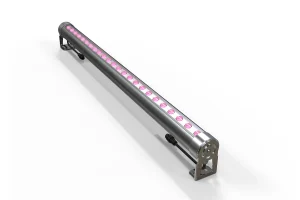
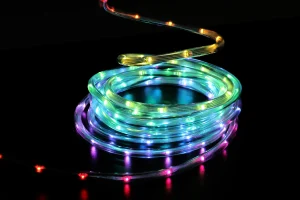
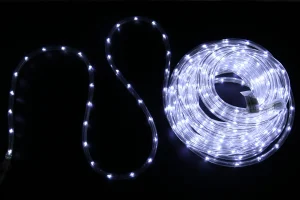
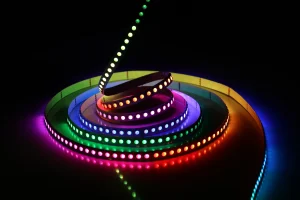
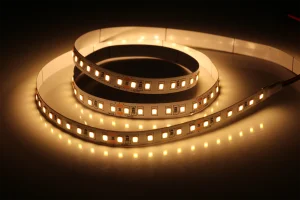
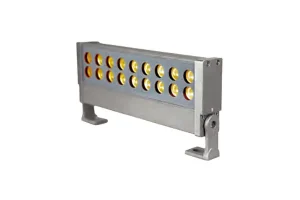
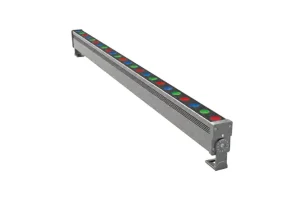
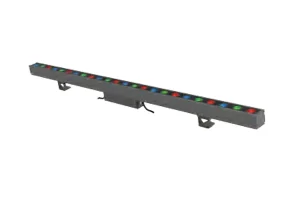
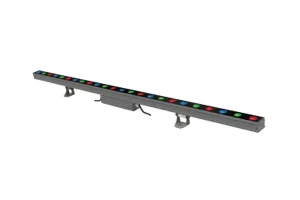
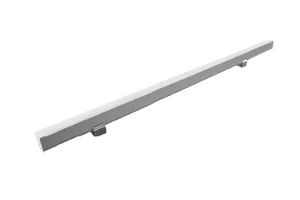
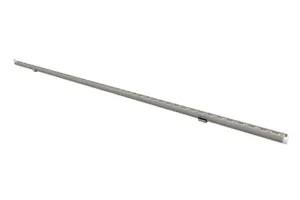
However, with technological advances and cost pressures, neon light strips (typically referring to flexible LED strips or LED linear fixtures mimicking neon forms) have proliferated as “modern substitutes.” It is this substitution that has significantly contributed to the “uglification” and “homogenization” of urban nights:
-
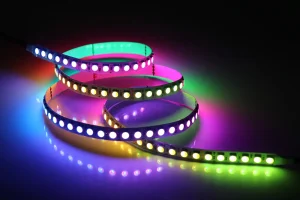
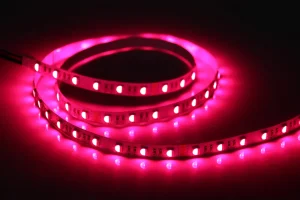
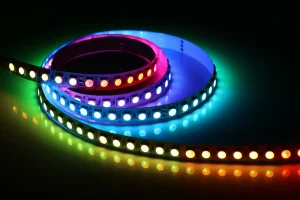
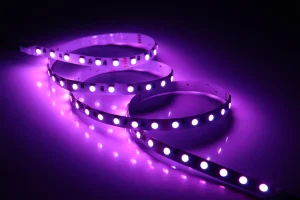
Degradation of Light Quality: LED light sources are inherently bright, high in color temperature, and have a narrow spectrum. The neon light strips made from them often produce light that is harsh, glaring, and lacks transition. Colors are either monotonously dull or, in pursuit of “attention-grabbing,” abuse extremely high-saturation primaries (pure red #FF0000, pure green #00FF00, pure blue #0000FF), combining into disastrous “eye-straining” effects devoid of harmony or style. They lose the artistic warmth of true neon, leaving only crude, fast-food style visual bombardment.
-
Rigid and Brutal Forms: While neon light strips can bend, their forms are generally clumsier than glass tubes, lacking the refinement and fluidity of hand-bent craftsmanship. More fatally, their installation is often crude – plastered onto building facades in large, undifferentiated rectangular patches, completely ignoring the building’s inherent form and structural logic. This “self-absorbed wall-sticking” approach severs the connection between light and architecture, light and street, failing to create an overall visual rhythm.
-
Perpetrator of Light Pollution: The high brightness, wide emission surface (especially with poor-quality lightboxes and electronic screens), and unrestrained scrolling and flashing effects designed to attract attention create severe light pollution. They disrupt the vision of pedestrians and drivers, invade the nighttime peace of nearby residents, and transform what should be an aesthetically pleasing urban night into a “visual torture chamber.”
-
Dual Cheapness: Craft and Aesthetics: Authentic neon tube fabrication is a masterful craft, costly by nature. Mass-produced neon light strips represent a tendency towards “visual fast consumption” – pursuing the lowest cost, fastest installation, and the most direct (often vulgar) stimuli. The result is ubiquitous, monotonous lighting installations reeking of “plasticity” and “tackiness,” drastically lowering the overall nighttime aesthetic standard of the city.

III. The Dilemma: The Paradox of Regulation vs. Non-Regulation
Confronted with the visual chaos wrought by neon light strips, a natural reaction is “It should have been regulated long ago!” Yet, the practice of urban landscape governance shows that simplistic, heavy-handed “regulation” often leads to another abyss:
-
The Disaster of “Regulation”: Uniform Ugliness. Forcing the standardization of signage (including lighting) dimensions, colors, fonts, and even materials through administrative decrees, under the guise of “tidying up the cityscape,” results in “a thousand cities with one face” – sign graveyards. All shop neon light strips on a street become identical glowing rectangles: same size, same color (often glaring blue or red), same font, devoid of personality and vitality, utterly lifeless. This aesthetic totalitarianism strangles the diversity of commercial expression and the unique charm neighborhoods should possess (as seen in past lessons from Beijing, Shanghai).
-
The Disaster of “Non-Regulation”: Chaotic Ugliness. Laissez-faire, however, leads merchants, constrained by costs and aesthetic limitations, to inevitably opt for the cheapest, most “eye-catching” neon light strips solutions. High-saturation clashing colors, crude fonts, information overload, scrolling and flashing… All manner of visual clutter collages wildly onto the streets, forming a chaotic, aesthetically barren “kaleidoscope of ugliness.” Streets become battlegrounds for tacky advertisements, utterly lacking public aesthetic order.
Therefore, the core issue lies not in “whether to regulate,” but in “how to regulate.” Neon light strips (and signage overall) possess a dual nature: they are both private property and commercial tools for merchants, and integral components of the urban public landscape and shared aesthetic environment.
IV. The Path to Redemption: The Three Pillars of Neon’s Rebirth
Freeing neon light strips (and indeed the entire urban nighttime lighting landscape) from ugliness and restoring their aesthetic dignity requires a systemic solution. Drawing on the experiences of cities like Kyoto and Paris, the key lies in constructing three pillars:
-
Thriving Market Economy: The Soil for Quality Demand
-
Merchant Investment Willingness: Only with a vibrant economy, where merchants have sufficient profit margins and brand awareness, will they be willing to invest more in neon light strips and overall signage design, seeking professional services instead of settling for the bare minimum of “just lighting up.”
-
Design Industry Support: Economic prosperity nourishes the design industry. Professional, specialized, high-caliber forces in visual design, lighting design, and typography can grow, offering merchants diverse, aesthetically sound neon light strip application solutions. Industry standards and professional norms are also established.
-
Elevated Societal Aesthetics: Alongside consumption upgrades and the pursuit of quality of life, society’s perception and demand for beauty naturally rise, creating “market pressure” to phase out inferior neon light strips.
-
-
Vibrant Civil Society: The Foundation of Aesthetic Consensus
-
Public Attention and Participation: Citizens demand quality in their living environment, judge the beauty or ugliness of the urban landscape, and are willing to express concerns and participate in discussions through community organizations and public discourse. Citizen aesthetic preferences are the most fundamental and enduring force shaping the urban landscape.
-
Cultural Identity and Consciousness: Outstanding urban nightscapes are often rooted in recognition of local cultural identity and neighborhood history. Citizens share a consensus on “what kind of nighttime street atmosphere we desire.” This consensus is the internal driving force resisting homogenized ugliness and promoting distinctive aesthetics.
-
Accountability Mechanism: Citizen criticism, media oversight, and advocacy by professional groups effectively create social pressure, prompting administrators and merchants to prioritize the aesthetics of facilities like neon light strips.
-
-
Professional Urban Governance: The Guarantee of Intelligent Rules
-
Law as the Vanguard: Elevate the societal consensus on protecting urban landscapes and balancing commercial expression with public aesthetics into clear laws and regulations (e.g., Landscape Law, Outdoor Advertising Regulations). The success of cities like Kyoto and Paris proves that strict yet professional regulations are fundamental. Examples include:
-
Color Control: Strictly limit high-saturation, fluorescent colors (e.g., pure red, pure yellow, fluorescent green). Recommend low-saturation “urban colors” harmonizing with the environment (e.g., Kyoto’s recommended traditional Japanese colors (wa-gami): earth ochre, light brown, ink black). All color schemes require approval by a professional body.
-
Light Source Standards: Strictly limit high-brightness, cool-color-temperature LED sources (especially neon light strips and electronic screens). Mandate the use of low-illuminance, warm-color-temperature light sources (typically below 2700K, mimicking the warmth of traditional neon or incandescence). Mandate the installation of baffles/anti-glare devices to prevent light from shining directly onto streets, residences, or the sky.
-
Dynamic Effect Restrictions: Strictly limit or even prohibit scrolling, flashing, and rapidly changing light effects (especially on electronic screens) to maintain visual tranquility.
-
Form and Placement: Specify detailed regulations for the size, position, projection distance, installation height, and font style (e.g., Kyoto recommends traditional Mincho style, Kantei-ryu script, restricting the abuse of Western bold serifs or ultra-minimalist modern fonts) of neon light strips/signage to ensure harmony with building facades and street scale.
-
Encouraging Quality Materials & Craftsmanship: In core areas or historic districts, encourage or even subsidize the use of high-quality materials (e.g., authentic neon tubes) and traditional craftsmanship.
-
-
Respect for Professionalism: The formulation and enforcement of regulations must fully incorporate and respect the opinions of professionals – urban planners, architects, lighting designers, visual designers, historic preservation experts. Avoid amateurs dictating to professionals, replacing professional judgment with administrative aesthetics. This requires administrators themselves to possess aesthetic discernment and an awareness of the value of expertise – understanding the need to pay for professional consultation.
-
Multi-Stakeholder Collaboration: Establish effective communication platforms (e.g., community hearings, professional advisory committees) where administrators, designers, merchant representatives, and citizen representatives jointly discuss lighting landscape plans for specific districts, seeking a balance of interests and aesthetic consensus. Regulation enforcement also requires a blend of firmness and flexibility – guidance, education, support (e.g., providing design guidelines, subsidizing pilot projects) – not merely prohibition.
-
Conclusion: Let Light Become the City’s Poetry Once More
Neon light strips, these lines of light massively replicated by modern technology, could have been elegant brushes depicting urban nighttime allure. They bear the responsibility of connecting commercial vitality with public aesthetics. Their beauty or ugliness is not merely an isolated technical issue or a private merchant concern; it reflects a city’s governance wisdom, economic vitality, and the aesthetic dignity of its citizens.
Saving the city’s night does not mean returning to an era dominated solely by authentic neon tubes. It means taming the flood of neon light strips, imbuing them with order and beauty. This requires the market to provide the impetus for quality, society to forge a consensus valuing aesthetics, and administrators to demonstrate the courage to respect expertise and enact and enforce intelligent rules.
When regulations can precisely filter out glaring high-saturation primaries and cold-white intense light; when warm-toned, low-illuminance neon light strips can outline architectural profiles or signage essence through refined design; when the light and shadow of streets regain rhythm and harmony – only then can the city’s night shed the stigma of “light pollution” and rediscover the poetry that makes people pause and stirs the heart. The rekindling of neon’s soul will be a profound awakening and redemption for urban aesthetics. Only then can the city’s night become a moving symphony of light once more, not a clamorous visual disaster.


