Every foot of premium
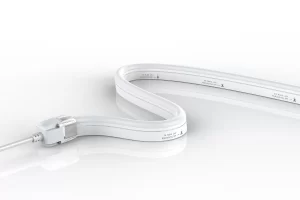
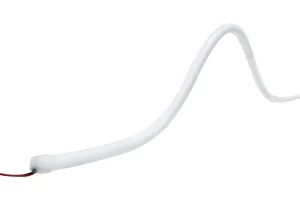
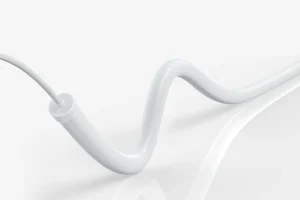
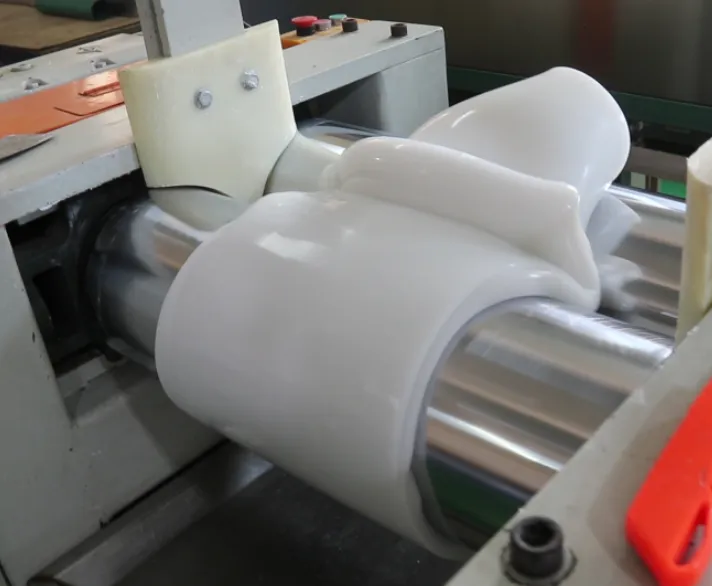
LED neon flex begins not with a diode, but with a specialized manufacturing process that transforms raw silicone into a flexible, light-diffusing, protective housing. At Wilgex, the silicone extrusion production line represents the heart of our quality promise — it is where precision engineering, material science, and optical design converge to create the high-performance LED neon strips that architects, lighting designers, and contractors trust for demanding projects.
In this article, we open the doors to our production floor and walk through each step of the silicone extrusion process, illustrating how cutting-edge technology and rigorous control produce the consistent, durable, and certified
LED neon flex lights that define the Wilgex brand.
1. The Raw Silicone Compound: Pure Foundations
The journey starts with high-purity raw silicone — a material chosen for its exceptional thermal stability, flexibility over a wide temperature range, and inherent resistance to UV radiation, moisture, and chemical degradation. Unlike PVC, which can yellow and become brittle over time, silicone maintains its mechanical and optical properties for decades, making it the ideal jacket material for professional-grade LED neon.
At Wilgex, we do not rely on generic pre-compounded stock. Instead, we mix our silicone in-house, blending the base polymer with a controlled set of additives and pigments to achieve the exact desired characteristics for each product line:
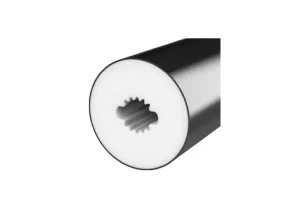
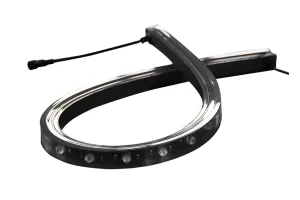
Color pigments: For our signature True Integral Black Silicone used in the D22 360° neon strip, a precisely measured carbon-based pigment is dispersed throughout the entire silicone matrix. This ensures that the black color is not merely a surface coating that can scratch or peel off, but a through-body hue that remains uniform even when the profile is cut or abraded.
UV stabilizers: Absorb and dissipate ultraviolet radiation, preventing photo-oxidative degradation that causes other materials to yellow, crack, or lose tensile strength. This is critical for outdoor-rated neon flex that must withstand years of direct sunlight.
Flame-retardant additives: Carefully selected combinations that allow Wilgex silicone to meet both UL94-V0 (self-extinguishing within 10 seconds, no flaming drips) for the Americas and B2 DIN4102-1 for the European market — dual certifications that are exceptionally rare in the LED neon industry.
Processing aids and cross-linking agents: Control viscosity, cure rate, and final Shore hardness, ensuring the extruded profile is firm enough to hold its shape while remaining highly flexible and bendable for installation.
Every batch of mixed silicone compound undergoes a series of quality checks — rheological testing for flow consistency, colorimetry to verify pigment dispersion, and cure characterization — before it is approved for extrusion. This front-end rigor eliminates variability and ensures that every meter of LED neon flex leaving the factory exhibits identical physical and optical performance.
2. The Extruder: Melting, Mixing, and Homogenization
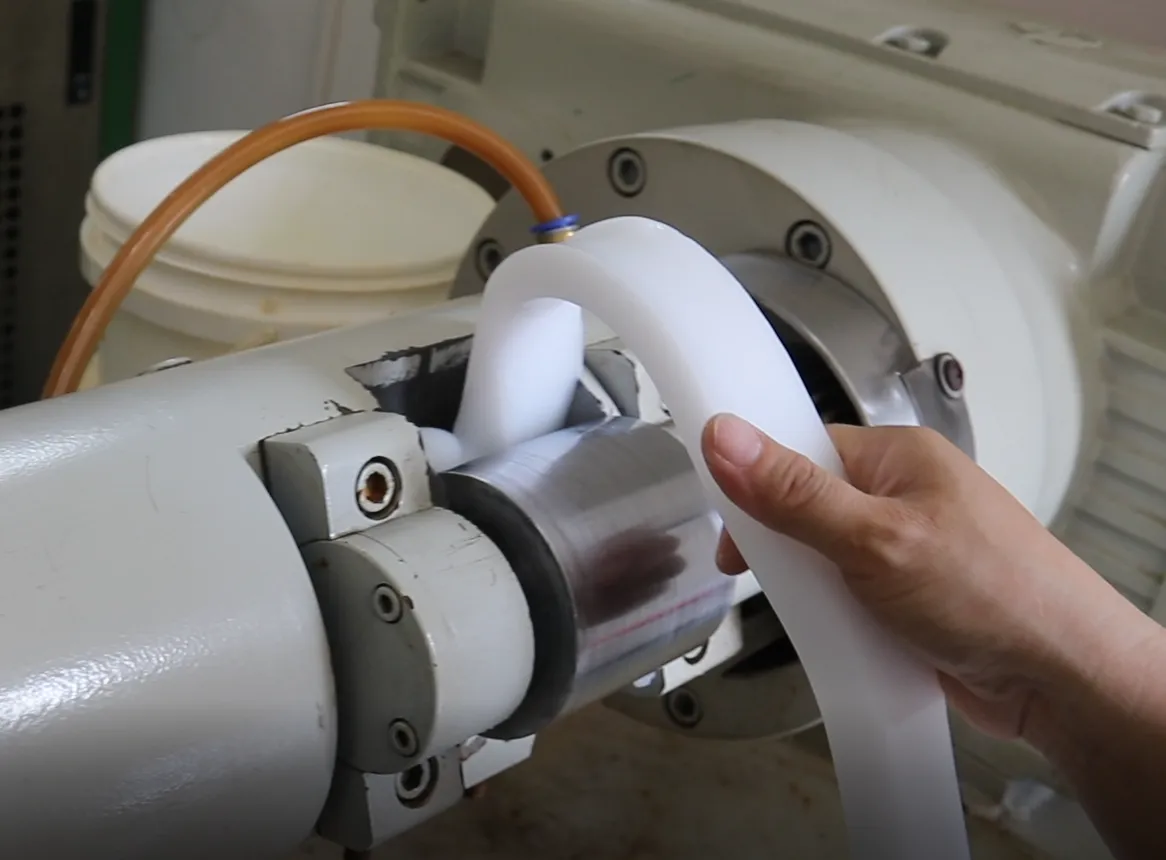
The mixed silicone compound, often in a gum-like state, feeds into the silicone extruder machine. At its core is a rotating screw housed within a temperature-controlled barrel. This is a purpose-built extrusion line optimized for silicone rubber, not a general-purpose plastic extruder. The screw geometry is specifically designed to handle high-viscosity silicone elastomers without overheating or introducing air bubbles.
Inside the barrel, the silicone undergoes three crucial transformations:
Melting and softening: Heat (typically in the range optimized for silicone) and the mechanical shear generated by the rotating screw gradually bring the compound to a homogeneous molten state.
Additive distribution: The mixing elements of the screw ensure that pigments, flame retardants, and UV stabilizers are evenly distributed down to a microscopic level. Any non-uniformity here would result in color streaks, inconsistent UV protection, or flame-resistance weak points — all unacceptable for certified products.
Deaeration: Vacuum ports or specially designed compression zones remove entrapped air and volatiles from the molten silicone. This step is critical because any trapped gas will form bubbles or voids in the extruded profile, weakening the wall structure, creating visual defects, and compromising the IP rating by forming potential water ingress paths.
Wilgex’s extruder line is equipped with precision temperature controllers and pressure transducers that provide real-time data to our operators. The process is continuously monitored, and any deviation triggers an automatic adjustment or alerts the quality control team for immediate intervention.
3. The Custom-Designed Die Head: Shaping the Future
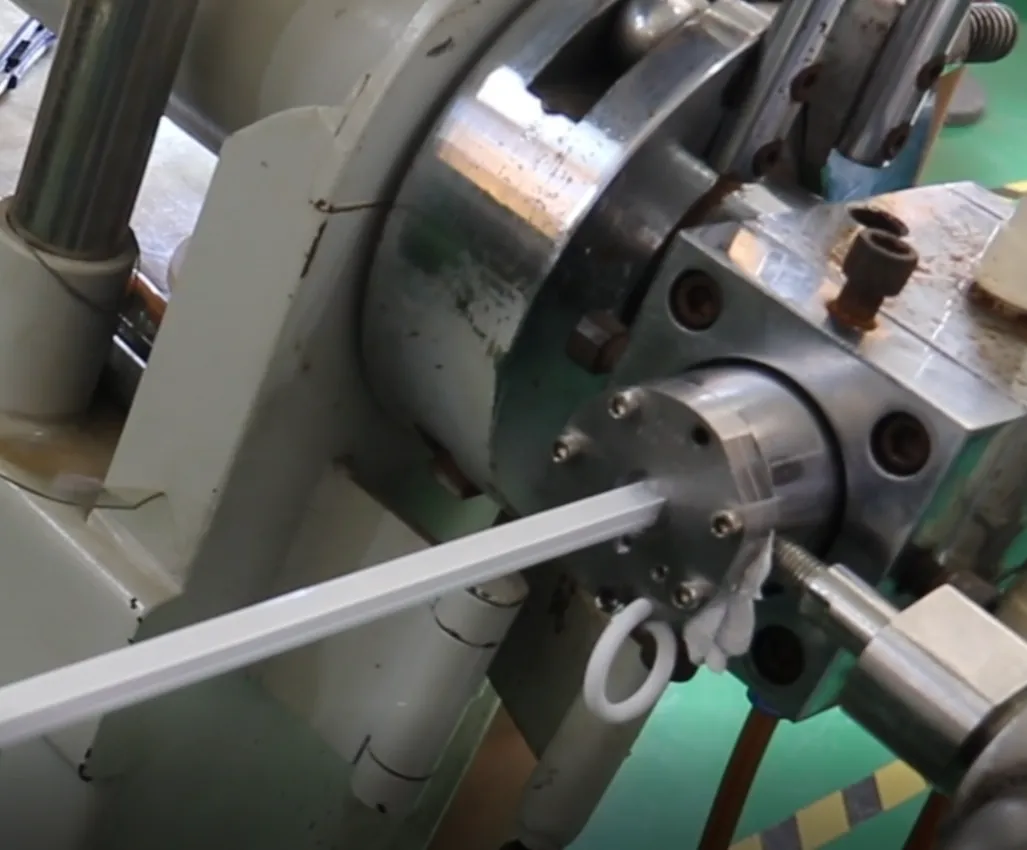
After leaving the screw, the pressurized, homogeneous molten silicone flows into the custom-designed die head — the tool that imparts the final profile geometry to the material. This is arguably the most critical component for
LED neon flex manufacturing, as it determines:
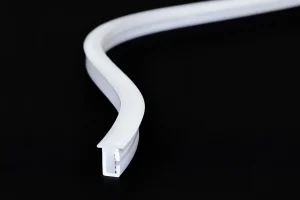
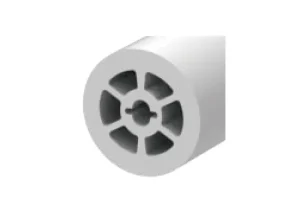
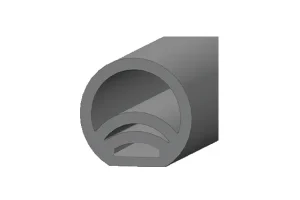
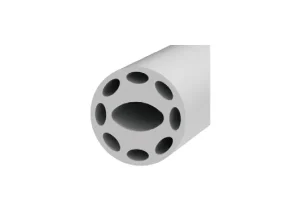
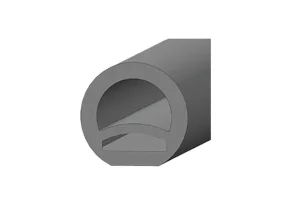
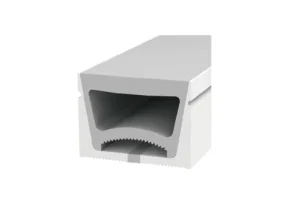
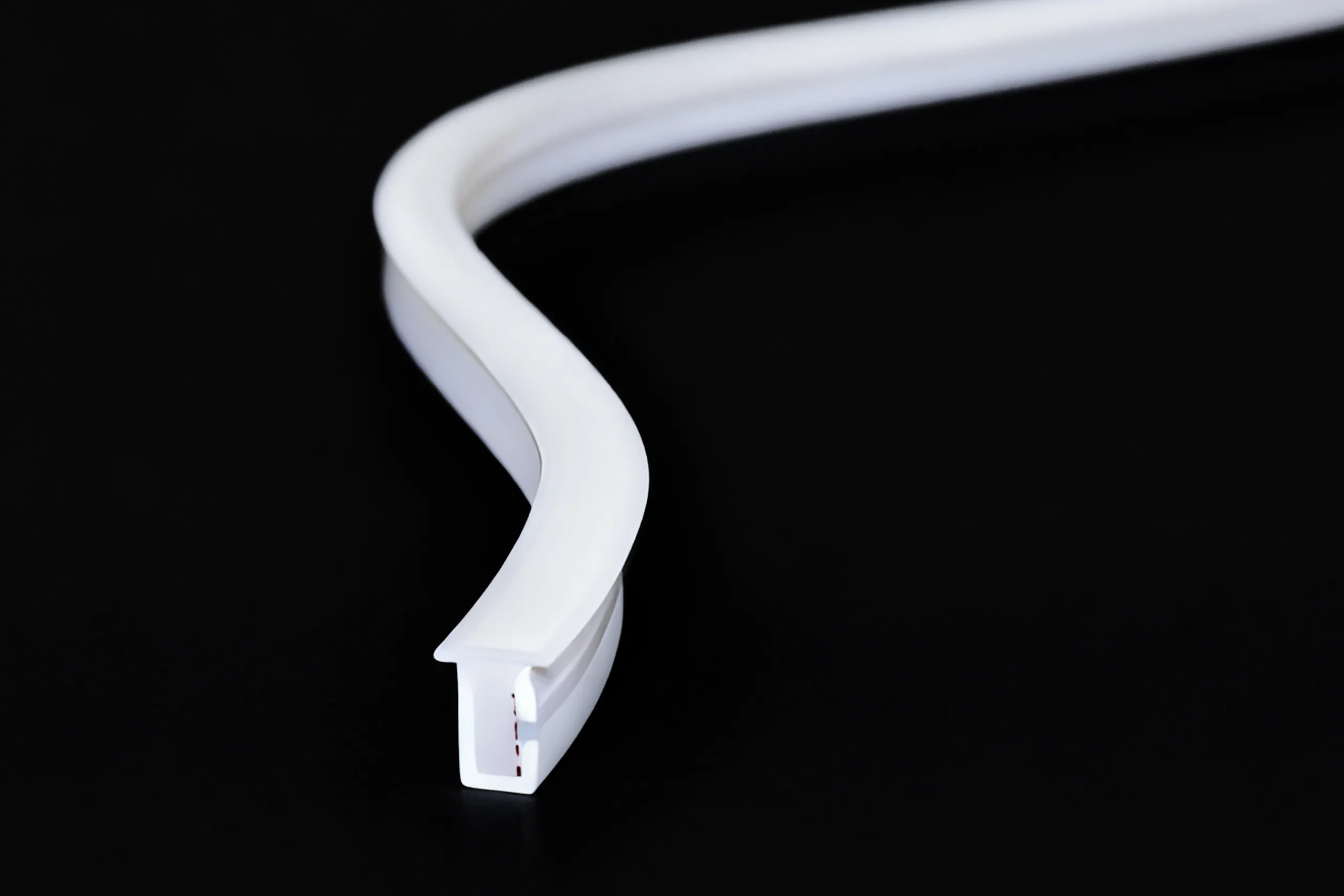
The external diameter and shape (e.g., the perfect round 360° cross-section of the D22 neon strip, or the flattened back for specific mounting profiles).
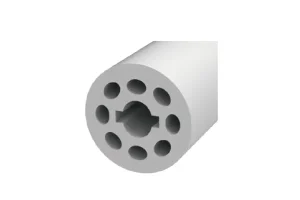
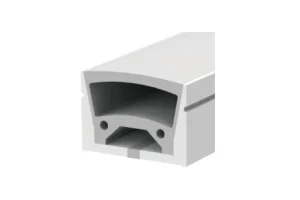
The interior cavity design that will accommodate the LED PCB strip, precisely centering it for uniform light diffusion.
The wall thickness distribution, which directly influences flexibility, crush resistance, and light transmission characteristics.
The surface finish — whether smooth, textured, or incorporating optical diffusion structures.
At Wilgex, we design and manufacture our own die heads in-house. This capability allows us to create fully customized LED neon profiles for specific projects — different diameters, shapes, or special optical features — without the long lead times and high tooling costs associated with outsourced dies. The die head is engineered using computational fluid dynamics (CFD) simulation to ensure even flow velocity across the entire cross-section; any imbalance would cause warping, internal stress, or an off-center cavity in the extruded product. The exit of the die head forms the molten silicone into its near-final geometry, still soft and pliable at this stage.
4. Forming the Core: Integration with the LED PCB Strip
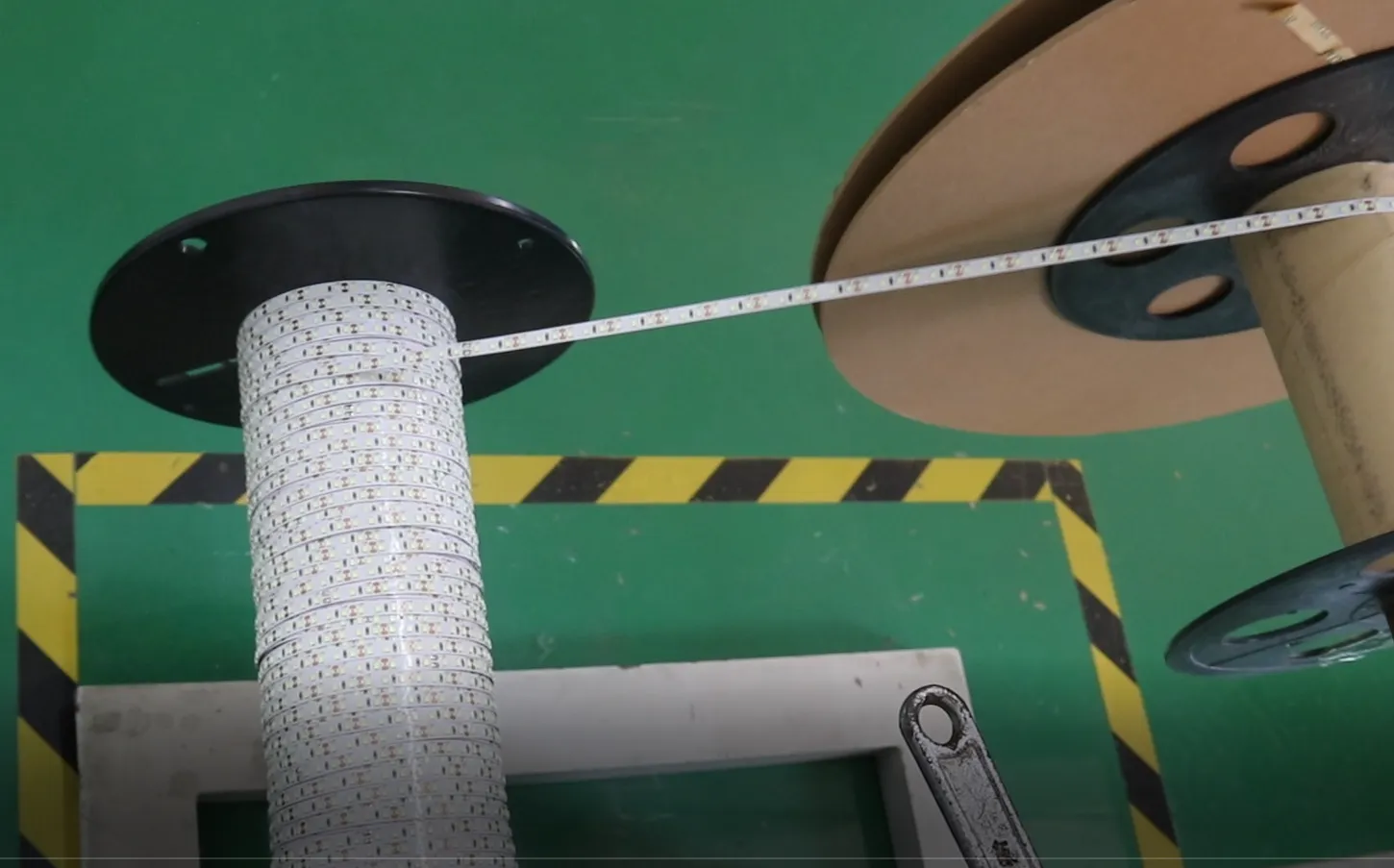
In many silicone neon flex production setups, the LED strip is inserted into a ready-made silicone tube as a secondary operation. Wilgex employs a more advanced approach — simultaneous co-extrusion or direct embedding, where the LED PCB strip and its internal electrical components are integrated into the silicone body during the extrusion process itself.
As the hot silicone profile emerges from the die head, the double-sided PCB (with its 3oz copper, constant current ICs, and gold-wire bonded LEDs) is continuously fed into the center of the profile. The silicone, still at its curing temperature, adheres directly to the PCB and the LED cavities, forming a solid, void-free, monolithic structure. This yields several significant advantages:
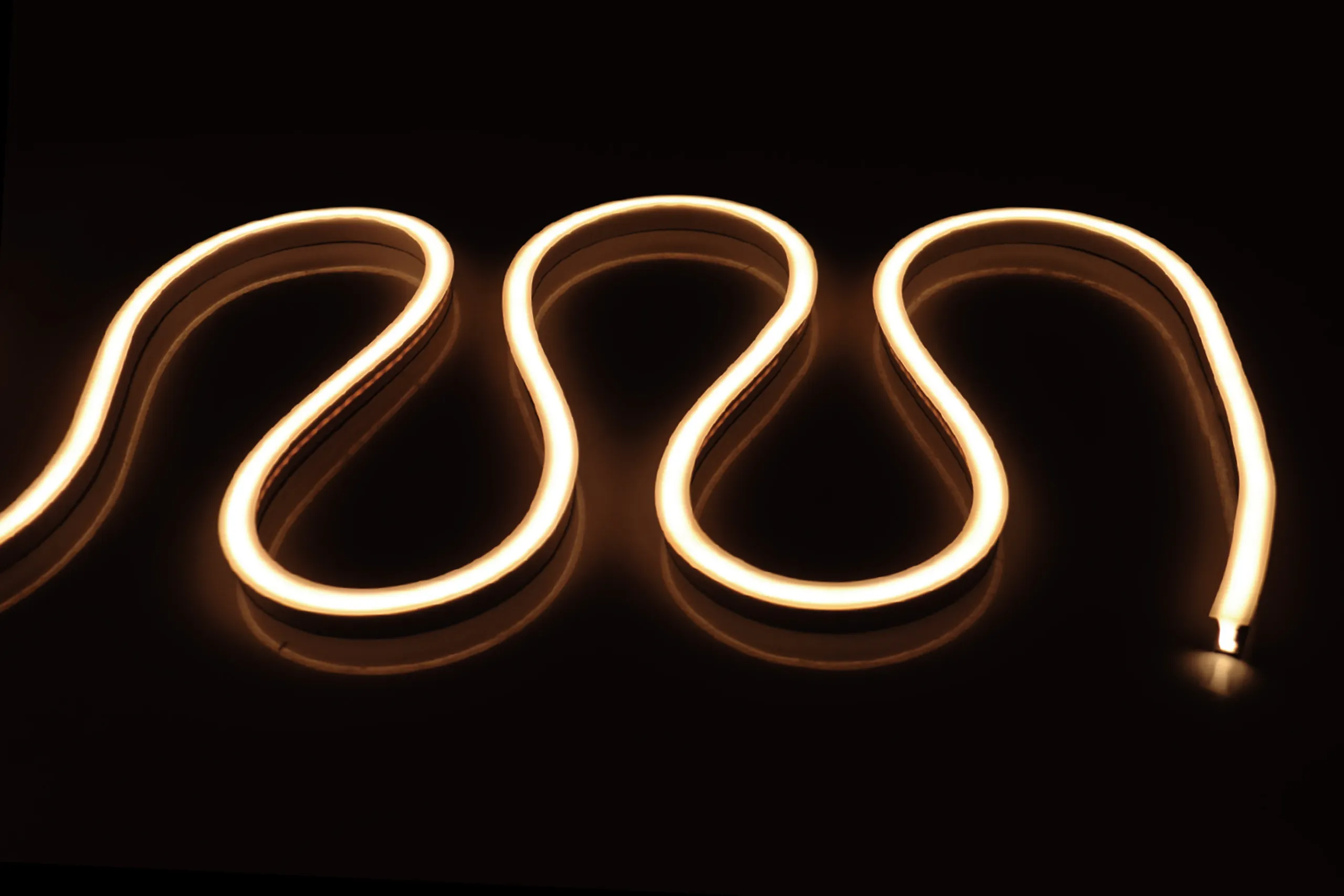
True integral construction: There is no gap between the LED lens and the silicone light-diffuse surface. Light couples directly into the silicone, maximizing optical efficiency and producing the seamless, dot-free appearance that characterizes Wilgex 360° neon strips.
Superior waterproofing: Without seams or insert points, the finished strip achieves IP67 (or higher with end caps) naturally, as the silicone completely encapsulates the electronics. Water, dust, and salt spray have no path to reach the LEDs or circuitry.
Enhanced mechanical strength: The PCB is supported along its entire length, preventing the twisting, delamination, or failure that can occur with loose-fit designs.
5. Curing, Cooling, and Dimensional Stabilization
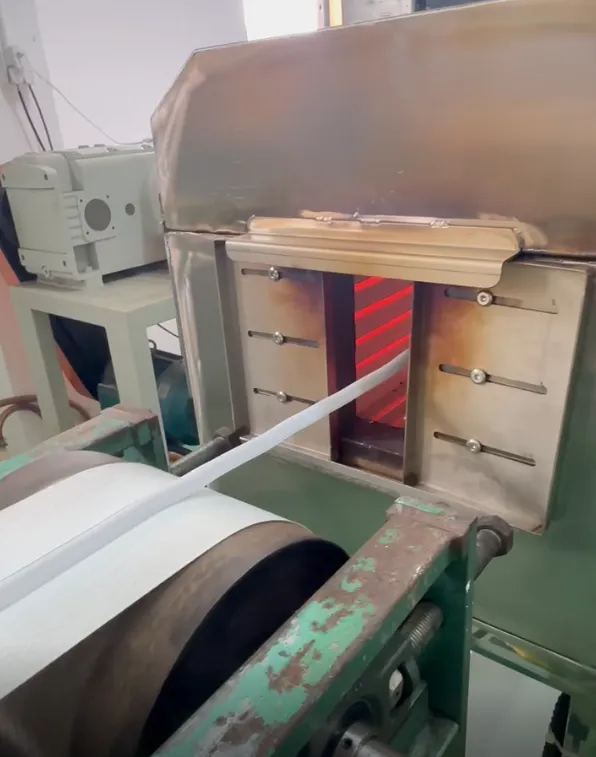
Immediately after exiting the die, the extruded profile (now containing the PCB) enters a curing and cooling section. Silicone rubber cures — cross-links from a soft, plastic state into a resilient elastomer — through the application of heat. Wilgex’s production line uses a precisely controlled hot-air vulcanization tunnel or infrared curing oven, where the temperature profile ramps up, holds, and gradually decreases according to a recipe optimized for the specific compound used.
The continuous curing process locks in the molecular structure of the silicone, giving it its final tensile strength, elongation properties, and elastic recovery. Following this, a graded cooling stage brings the now-solid silicone neon flex down to room temperature without introducing thermal shock that could set internal stresses or warp the profile. The output is a stable, dimensionally accurate strip that holds its cross-section perfectly over hundreds of meters.
6. In-Line Quality Verification and Post-Extrusion Testing
Quality at Wilgex does not wait for the final reel. Multiple in-line inspection systems operate continuously during production:
Profile gauge sensors use laser micrometers to measure diameter, wall thickness, and concentricity in real time, flagging any deviation outside tolerance (e.g., more than ±0.2 mm) for immediate correction.
Light inspection stations power on the embedded LED strip after cooling, allowing operators to visually assess color temperature consistency, brightness uniformity, and absence of dark spots or misaligned LEDs.
Surface defect cameras scan for pinholes, scratches, or contamination on the silicone skin.
Samples are taken at regular intervals for offline testing — Shore A hardness, tensile strength, elongation at break, flame propagation (per UL94 vertical burn test), and UV accelerated aging. These records form part of the batch traceability file, ensuring that every box leaving Wilgex can be traced back to the exact silicone compound lot, extruder parameters, and operator shift.
7. The Final Product: Cut, Packed, and Ready to Illuminate
After passing all verification gates, the
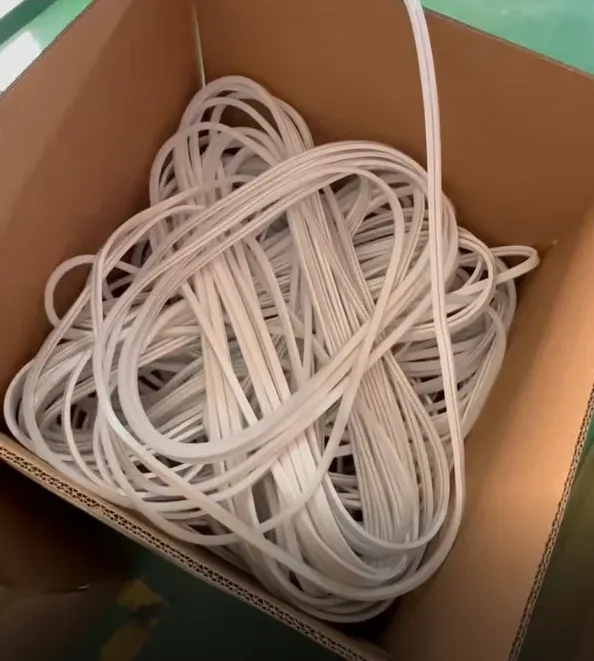
LED neon flex is wound onto reels of standard lengths (e.g., 5 meters), cut at marked points, fitted with end caps and connection fittings as per specification, and packaged in protective blister and white box or aircraft box configurations. The result is a finished, QC-cleared product ready for global shipment to lighting distributors, installers, and project sites.
8. Why Wilgex Silicone Extrusion Makes a Difference
When you specify a Wilgex
LED neon flex strip, you are not just buying a lighting product; you are investing in the output of a controlled, precision manufacturing process that delivers:
Visual consistency across the entire installation — no color shift, no hotspot, no variation in diffusion.
Certified safety — dual fire-retardant certifications backed by in-line process control and batch testing, not just a one-time lab certificate.
Genuine outdoor durability — salt spray resistance, UV resistance, and IP67 protection are inherent properties of the material and extrusion process, not supplemental coatings.
Customization capability — because we design our own dies and compound our own silicone, we can rapidly create custom profiles, colors, and optical effects for OEM and project-specific needs.
Long operational life — the integral silicone encapsulation protects the internal PCB and LEDs from mechanical stress, humidity, and corrosion, contributing to the 50,000+ hour lifespan and 5-year warranty.
9. A Commitment to Transparent Manufacturing
We believe that an informed customer makes the best decision. By opening up our silicone extrusion production line — if not physically, then through detailed process descriptions and video demonstrations — we aim to build confidence in the Wilgex brand. This is not a generic strip sourced from a trading company; it is a meticulously engineered illumination tool produced end-to-end by a company that understands both the science of silicone and the art of lighting.
Explore the Production Line and Discuss Your Project
The silicone extrusion process is the foundation of every LED neon flex we produce, from our 360° Round Black-Jacket D22 product to custom architectural profiles. If you have a project that requires a specific housing shape, superior environmental resistance, or a particular optical diffusion effect, our extrusion team is ready to develop the die and compound to bring it to life.