
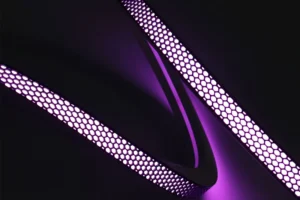
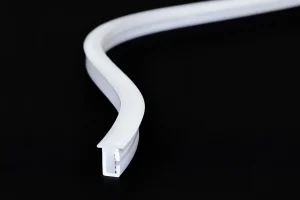
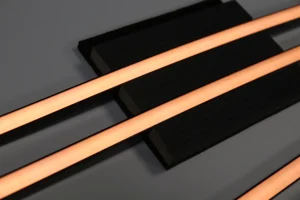
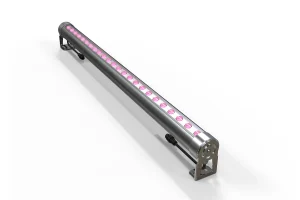
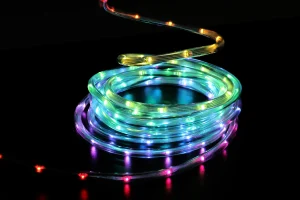
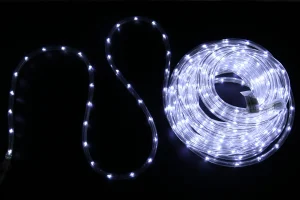

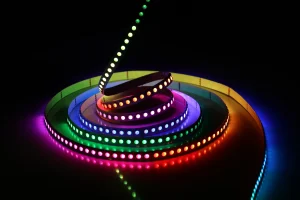


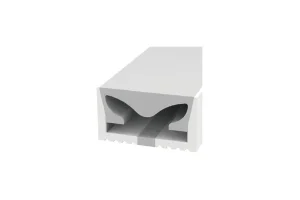
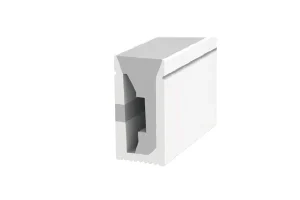
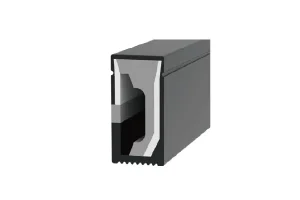
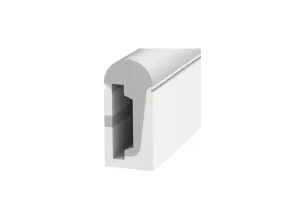
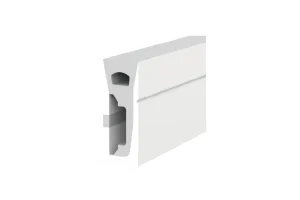
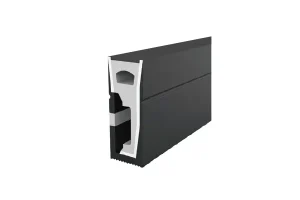
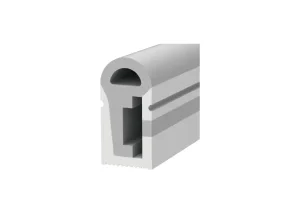
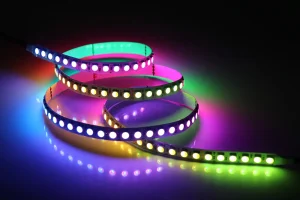
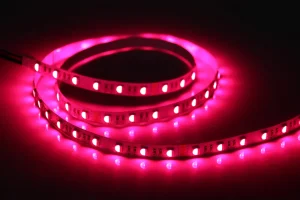
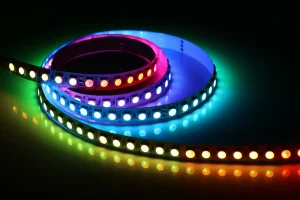
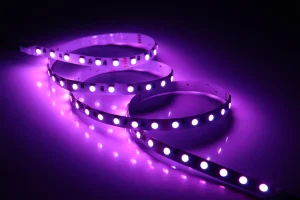
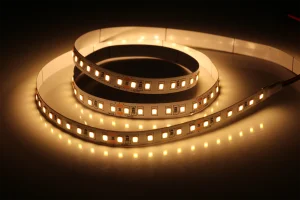
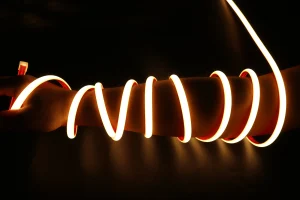

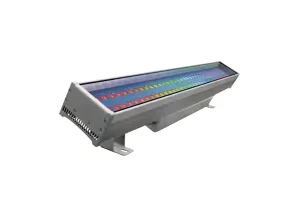
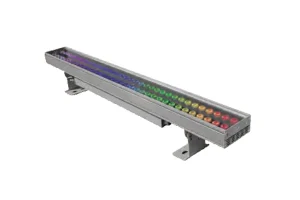
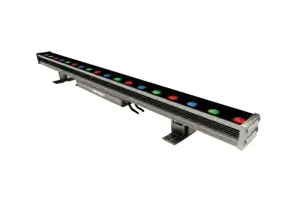
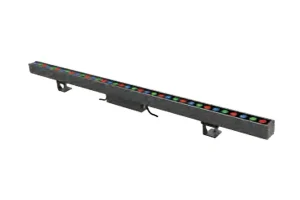
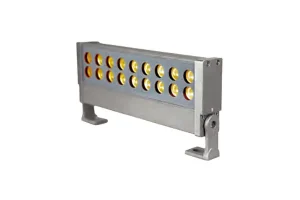
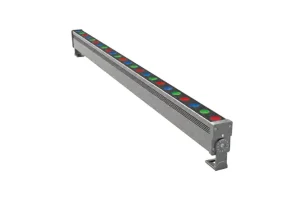
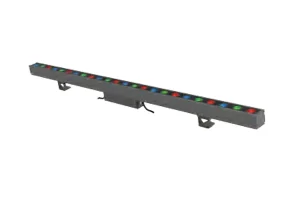
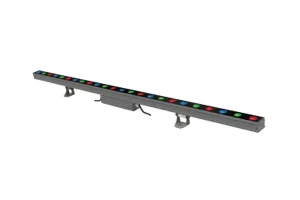
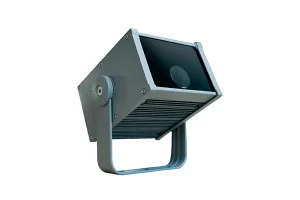
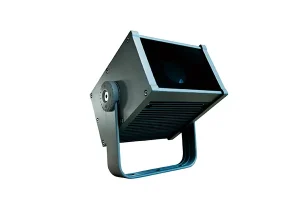
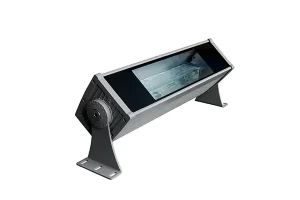




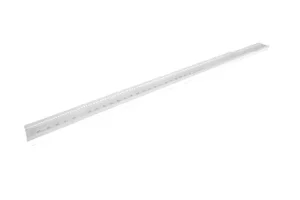
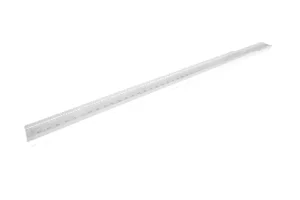
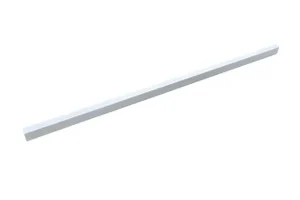
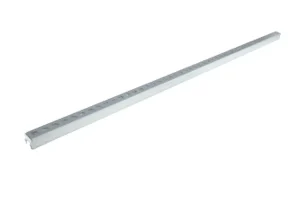
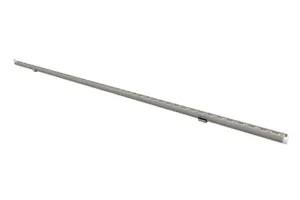


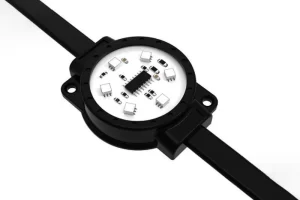


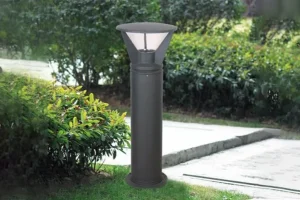
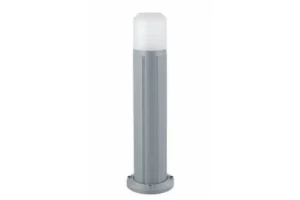
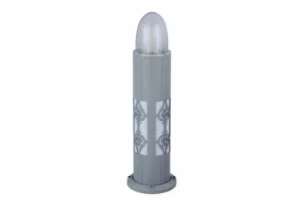
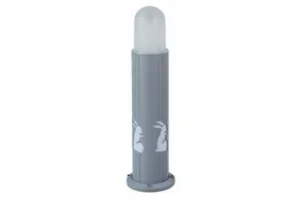
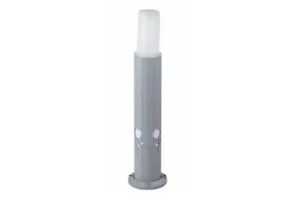
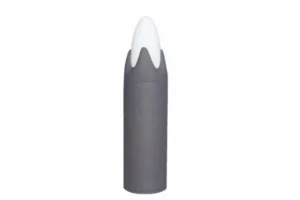
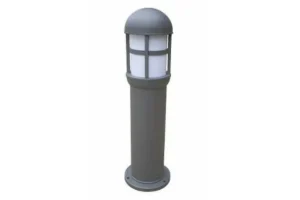
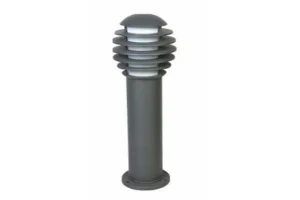
Landscape lighting has long surpassed mere functional requirements to become an integral part of urban aesthetics. From towering trees emitting an ethereal green glow in parks to rainbow-colored fountain columns dancing with music, and the flowing LED neon flex on building facades, every carefully designed play of light and shadow embodies the ingenuity and professional expertise of designers.
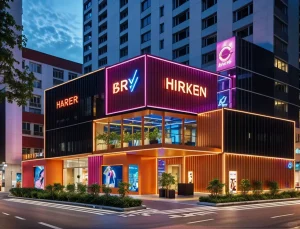
I. Analysis of Five Core Lighting Techniques
1. Floodlighting: Sculpting Architectural Dimension
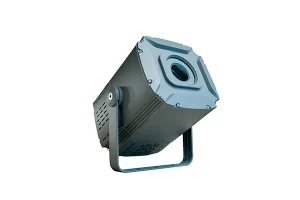
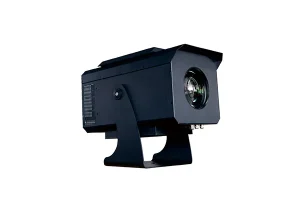
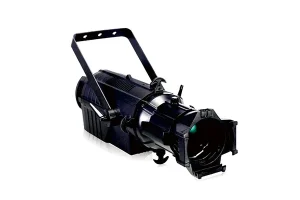
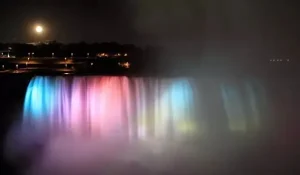
Floodlighting projects light directly onto surfaces to reveal three-dimensional forms and detailed features. This technique is particularly suitable for emphasizing the texture of building facades and architectural characteristics.
-
General Floodlighting: Commonly used for large landmark buildings, such as illuminating entire facades uniformly with high-power LED floodlights.
-
Local Floodlighting: Highlights distinctive architectural elements, such as using narrow-beam floodlights to accentuate columns or relief decorations.
-
LED Neon Flex Applications: Installing RGB LED neon flex along building outlines to create dynamic effects through color changes.
2. Contour Lighting: Outlining the Soul of Architecture
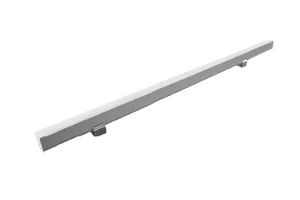
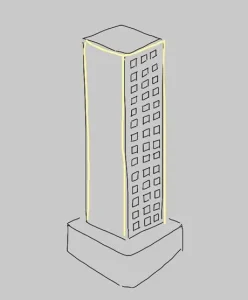
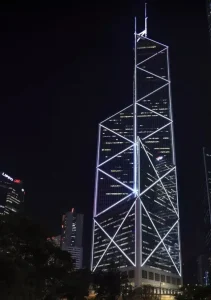
Contour lighting uses linear light sources to trace the outer edges of buildings, ideal for emphasizing the lines of modern-style structures and traditional rooftops.
-
LED Strip Lights: Energy-efficient and high-performance, suitable for concealed installation.
-
Neon Tubes: Offer high color saturation and striking visual effects.
-
Connected Point Lights: Create a romantic, starry effect.
Typical Example: The buildings along Shanghai’s Bund use golden LED neon flex to outline neoclassical structures, creating a dialogue across time and space with the modern skyscrapers on the opposite bank of the Huangpu River.
3. Silhouette Lighting: Creating Dramatic Effects
Backlighting to create silhouettes is especially suitable for architectural elements like colonnades and镂空 carvings.
-
Recessed Ground Fixtures: Project light upward to form clear silhouettes.
-
Color Filters: Produce tinted silhouette effects.
-
LED Neon Flex Backlighting: Installing colored LED neon flex behind screens to create sharp outlines.
4. Internal Glow Lighting: Revealing Architectural Vitality
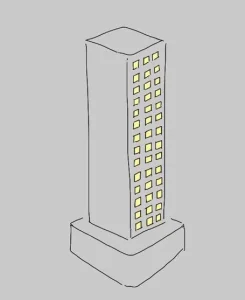
This technique mimics traditional lanterns, allowing light from inside a building to permeate outward, creating a warm and translucent visual effect.
-
Glass Curtain Walls: Natural indoor lighting shining through.
-
Specially Designed Light Walls: Installing LED neon flex between double-layered walls.
-
Translucent Materials: Such as frosted glass or acrylic combined with built-in light sources.
5. Dynamic Lighting: Bringing Buildings to Life
Using programmed controls to vary light colors and brightness, creating vibrant lighting effects.
-
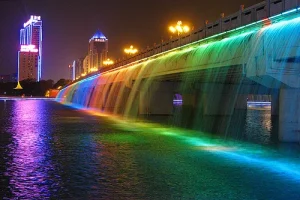
Musical Fountains: Synchronized water jets and light changes.
-
Building Facade Light Shows: Combining high-power floodlights with programmable LED neon flex.
-
Interactive Lighting: Using sensors to enable human-light interaction.
II. Golden Rules for Landscape Lighting Fixture Selection
-
Matching Principle:
-
Warm tones and low color temperatures for classical architecture.
-
High color temperature LEDs and LED neon flex for modern buildings.
-
Avoid overly saturated colored lights for natural landscapes.
-
-
Energy Efficiency Priority:
-
Prioritize LED light sources.
-
Choose high-power floodlights with smart dimming capabilities.
-
Opt for low-voltage LED neon flex for safety and energy savings.
-
-
Concealment Principle:
-
Install fixtures as discreetly as possible.
-
Avoid impacting daytime building aesthetics.
-
Use recessed installation for LED neon flex.
-
-
Smart Control:
-
Select fixtures supporting protocols like DMX512 or DALI.
-
Ensure LED neon flex offers pixel-level control.
-
Equip with intelligent scene control systems.
-
-
Easy Maintenance:
-
Choose outdoor fixtures with an IP65 rating or higher.
-
Waterproof connections for LED neon flex.
-
Consider ease of replacement and maintenance.
-
III. Innovative Applications: The Artistic Revival of LED Neon Flex
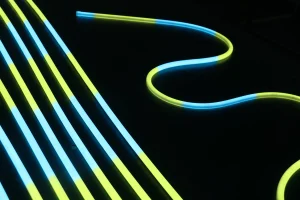
Modern LED neon flex has expanded from traditional commercial signage to artistic creations and architectural lighting:
-
Architectural Outlines: Dubai’s Burj Khalifa uses kilometers of programmable LED neon flex to trace breathtaking geometric patterns in the night sky.
-
Interactive Landscape Installations: A London square features ground-embedded LED neon flex that changes color and brightness with pedestrians’ footsteps, creating playful interactions.
-
Art Installations: In TeamLab’s digital art exhibitions, suspended LED neon flex forms three-dimensional spaces, immersing visitors in a futuristic world.
-
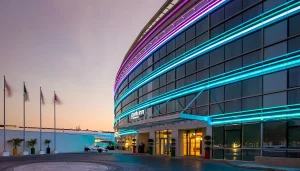
Commercial Complexes: A Tokyo Ginza shopping mall features a facade with a color-changing LED neon flex matrix that adapts daily to weather and seasons.
Conclusion
Exceptional landscape lighting design is the perfect fusion of art and technology. Designers must understand light and shadow like painters, perceive space like poets, and calculate with the precision of engineers. Whether using traditional floodlighting or innovative LED neon flex applications, the ultimate goal is to create delightful nighttime environments, enhance urban spatial quality, and infuse cities with vitality and charm after dark.
With advancements in LED technology and smart control systems, landscape lighting is entering an unprecedented era of innovation. In the future, we may see even more lighting solutions integrating augmented reality, IoT, and other cutting-edge technologies, making urban nightscapes smarter and more vibrant.


