









































Neon light, this luminous symbol of urban prosperity and dreams, after reaching its peak, gradually composed a profound romantic elegy—a lament not just for a technology, but for a vanishing sensibility in the face of relentless progress.

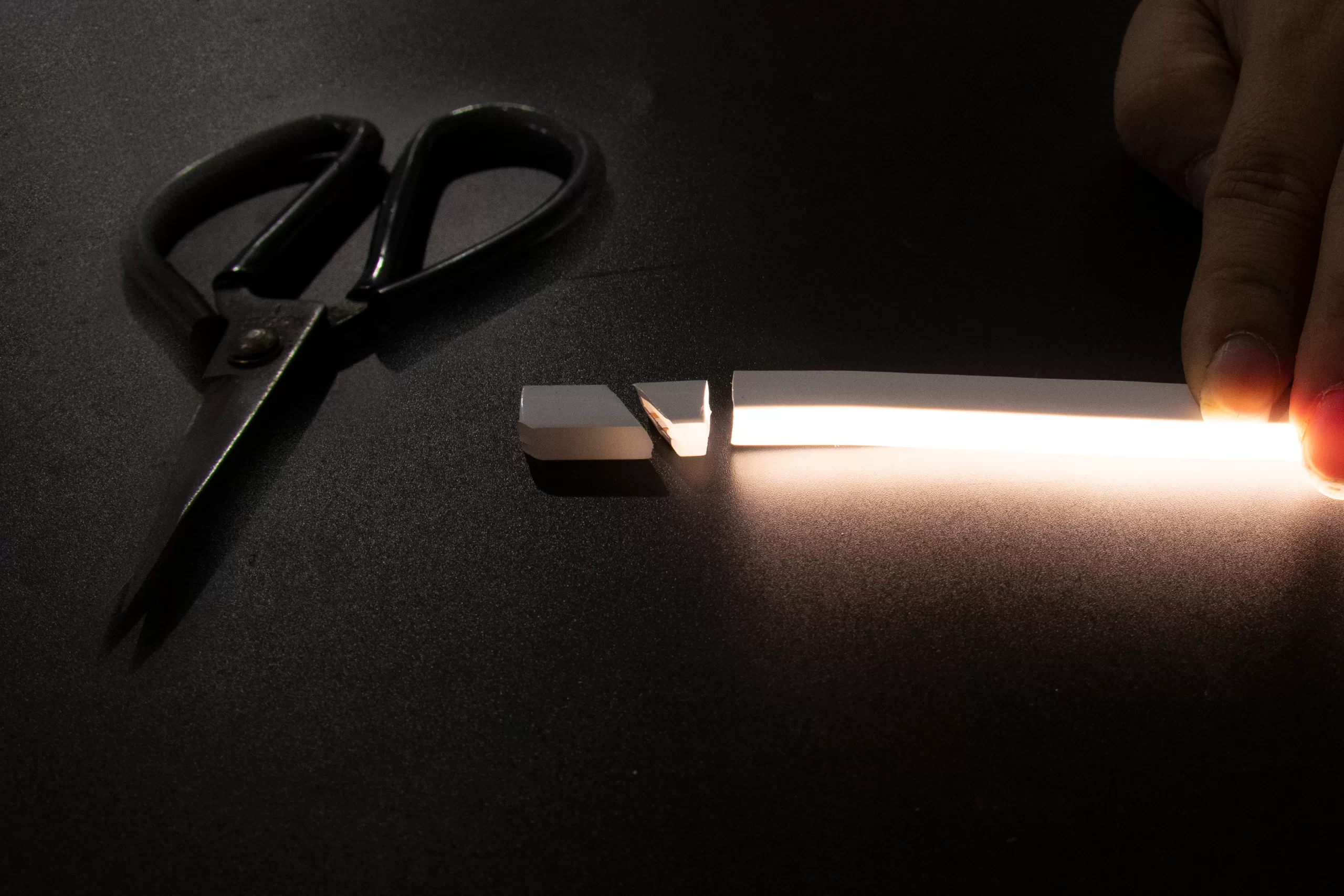
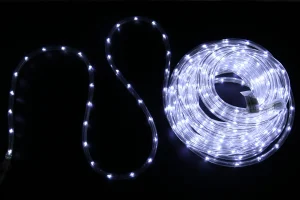
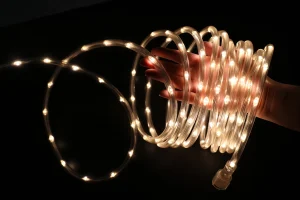
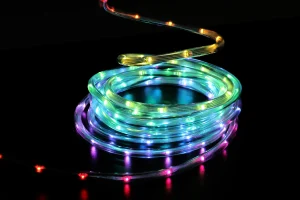
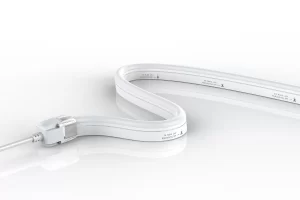
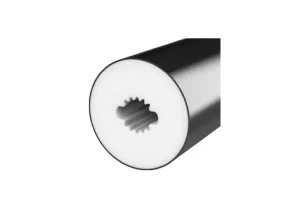
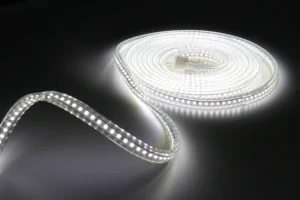
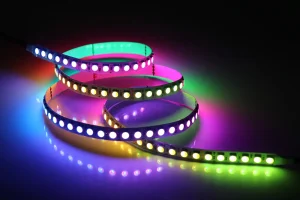
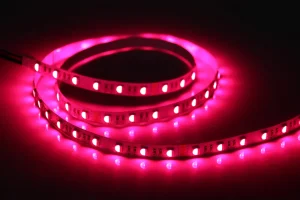
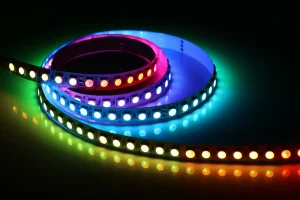
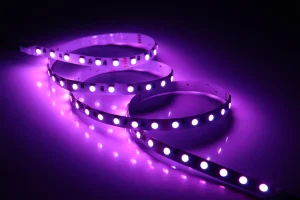
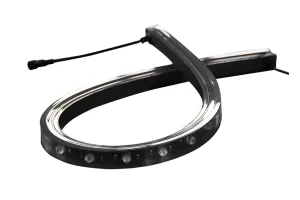
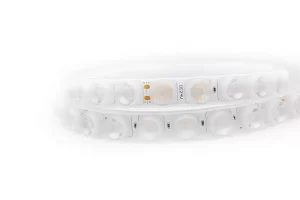
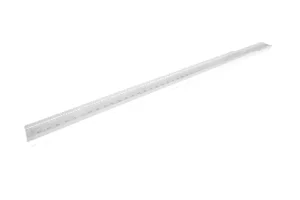
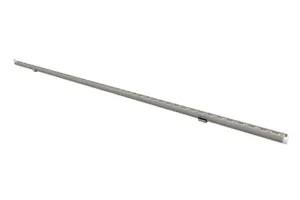
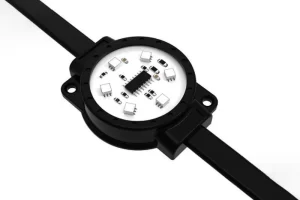
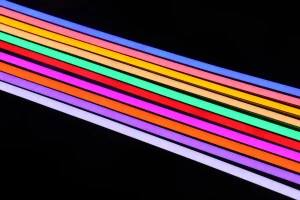
All worldly splendor is ultimately fleeting. In the post-WWII years, neon’s glow began to dim. Cheaper, more durable alternatives like fluorescent tubes, and later, the revolutionary rise of LED technology, steadily eroded its commercial dominance. The arrival of LED Neon Flex—flexible silicone tubes housing energy-efficient diodes that mimic the neon aesthetic—accelerated this shift. Offering superior durability, minimal heat, energy savings up to 70%, limitless color programmability (including dynamic RGB effects), and easier installation, LED Neon Flex became the pragmatic choice for mass signage and architectural accents. In today’s world of increasingly sophisticated imaging technologies—holograms, AR, and naked-eye 3D creating immersive digital spectacles—traditional neon, with its fragile glass tubes and finite palette, seemed to suffer an irreversible defeat in both function and mainstream fashion. The tide had turned decisively. Was hand-blown, gas-filled neon still useful?
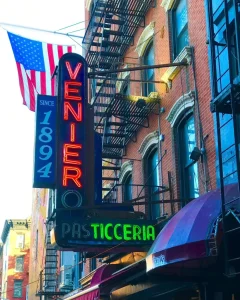
Yet, the very rise of its efficient imitator deepened the emotional bonds forged over decades. The desire to preserve authentic neon became not just sincere, but almost defiantly counter-cultural. This sentiment burns especially bright in Manhattan’s Lower East Side, Soho, and Greenwich Village – former “holy grounds” for wandering musicians, poets, writers, and avant-garde movements. Here, various small, old-fashioned neon signs still flicker stubbornly. They use their limited, warm light to push back against the overwhelming flood of crisp, cool, and often impersonal LED Neon Flex that now dominates cityscapes. They particularly disdain association with the thoroughly commercialized, algorithmically dazzling new face of Times Square, a realm where LED and digital screens reign supreme. Some family-run workshops pledge to defend the few neon tubes at their doorsteps, passed down through generations, viewing them as irreplaceable badges of identity, warmth, and tangible tradition in a world increasingly mediated by pixels and silicone.
Countless nostalgic groups have become the main force in its preservation, documenting history, raising funds, and advocating passionately. For many devotees, the corners of Lower Manhattan illuminated by the authentic, slightly wavering glow of old-style neon are their most cherished “sanctuaries,” offering a sensory experience no perfect LED replication can match. At sunset, buying two slices of pizza and a can of Coke, standing in the deep alleys of the East Village, chewing while letting their gaze wander amidst the neon’s organic flicker – they savor that feeling of being “full-bellied and aimlessly drifting,” a slightly lonely intoxication born from connecting with a tactile past. Neon itself is an infection, an anesthetic, a smokescreen of bewilderment cast between the present digital reality and the vanished analog world.
Many Americans remain stubbornly “behind the times” in this regard, deeply unwilling to accept neon’s functional obsolescence. Five or six dedicated neon museums have been built across the US, and comprehensive art galleries and public spaces frequently host exhibitions showcasing both historic relics and new neon art. These efforts aim not only to preserve relics and seal away the past but also to champion the unique craft, using this ancient skill to create new artworks imbued with contemporary meaning. Creativity rooted in emotion and history seems uniquely capable of capturing hearts in an age of mass-produced light.

The Enduring Language of Light: Warmth vs. Precision
Neon’s charm lies fundamentally in its unique artistic language. It outlines forms with luminous lines, shadowless and volumetric, yet inherently dynamic, capable of subtle color shifts. Its steady, soft hues—often described as having a “living” warmth—stand in stark contrast to the often clinically sharp and uniform light of LED Neon Flex. This warmth feels more human, more lively, especially suited for expressing meaning and adorning the urban nightscape with soul. Ubiquitous wall-mounted neon installations – a few simple words, some casual lines – are like graffiti on a beach, petroglyphs in the desert, or a small stone figure in the woods. They don’t seek to shock the world with digital pyrotechnics or promise LED-like permanence; they simply convey an immediacy, a romance born spontaneously from feeling and craft.
The Romance of Resistance: Impermanence as Art
The essence of romance might well be this impulse to act despite knowing the outcome. Traditional neon knows its vulnerability: without electricity, it is merely fragile refuse in the wind and rain; after every dawn, the hand-crafted splendor of its gas-illuminated colors dissolves in daylight. LED Neon Flex, by contrast, boasts resilience and longevity, its light unwavering and predictable. Yet, there are always those unafraid of traditional neon’s transience, determined to implant their passion into these delicate glass vessels, seeking only a moment of authentic, warm brilliance under the night sky—a brilliance qualitatively different from its LED counterpart. The Milwaukee Art Museum’s poignant neon artwork Romance encapsulated this perfectly: the audience designed it, the lights came on, and then they could only watch helplessly as a robot destroyed it – a stark metaphor for neon’s core romance: the conscious choice to create beauty that shines brightly despite knowing its fragility and inevitable fading, a defiance against the engineered permanence of modern alternatives.

Neon light, this romantic urban elegy, may not escape the overwhelming sound and efficiency of the times embodied by LED Neon Flex and digital displays. But it can always find forgotten corners to flicker alone, to hum softly alone. With its faint yet uniquely warm glow, it tells the tale of an era’s glory, transformation, and the eternal longing in people’s hearts for a unique radiance—one born of human hands, volatile gases, and an acceptance of impermanence. It reminds us that amidst the flood of efficiency, renewal, and flawless digital light, there are always some handcrafted traces of warmth, fragility, and fleeting beauty worth remembering, cherishing, and fiercely protecting. The persistence of neon, against all odds, is a testament to the romantic resilience of the human spirit itself.