










Core Purpose of LED Wall Washing
In architectural lighting design, vertical surface illumination serves as a fundamental technique. Effective wall washing transforms spatial perception—yet achieving sophistication requires understanding its dual objectives:
-
Aesthetic Enhancement: Activating the wall’s visual expression
-
Ambient Brightness Supplement: Softening spatial luminance through diffuse reflection

Critically, brightness improvement remains a secondary benefit. Vertical surfaces risk glare when over-illuminated. With textured or dark finishes, diffuse reflection can incur >30% photometric loss, resulting in limited efficiency. Its primary value lies in eliminating visual shadows, creating a psychological perception of enhanced brightness.
Strategic Approaches to Wall Enhancement
The central goal of “wall beautification” demands tailored methodologies based on substrate characteristics:
| Surface Characteristic | Design Objective | Lighting Technique |
|---|---|---|
| Textured Substrate | Accentuate dimensionality | Narrow beam angles (15°-30°) to highlight relief |
| Minimalist Plane | Create visual rhythm | Graduated luminance gradients to build depth |
The former amplifies existing features; the latter introduces missing dimensionality—both utilize light to elevate visual richness.


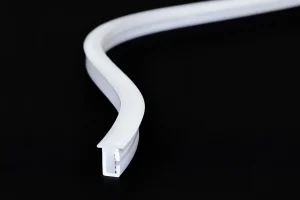
Recessed Light Troughs: Optimal Gradient Delivery
Among implementation solutions, recessed troughs offer unmatched versatility for ethereal effects:
-
Adaptable to ceiling/wall integrations (top/bottom/side emission)
-
Compatible with intricate feature walls and minimalist surfaces
-
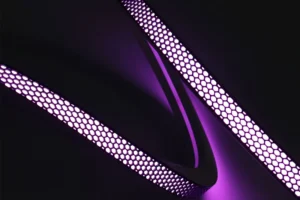
Delivers signature luminous gradients with soft transitions

Three non-negotiable principles ensure success:
-
Precision Cavity Dimensions
-
Optimal range: 10-15cm (depth) × 10-15cm (width)
-
Undersized → Incomplete diffusion → Visible scalloping
-
Oversized → Structural intrusion → Visual imbalance

-
-
Uninterrupted Wall Geometry
Tiered or protruding elements fragment illumination. Complex surfaces require alternative approaches. -
Invisible Integration
Maintain “light without visible source” doctrine. Avoid decorative trim on trough edges—preserve the wall as visual focus.
Technical Note: Floor-based washing systems require engineered reflector cavities, increasing cost/complexity for residential applications.
Advanced Implementation Alternatives
Where troughs prove impractical, consider:
-
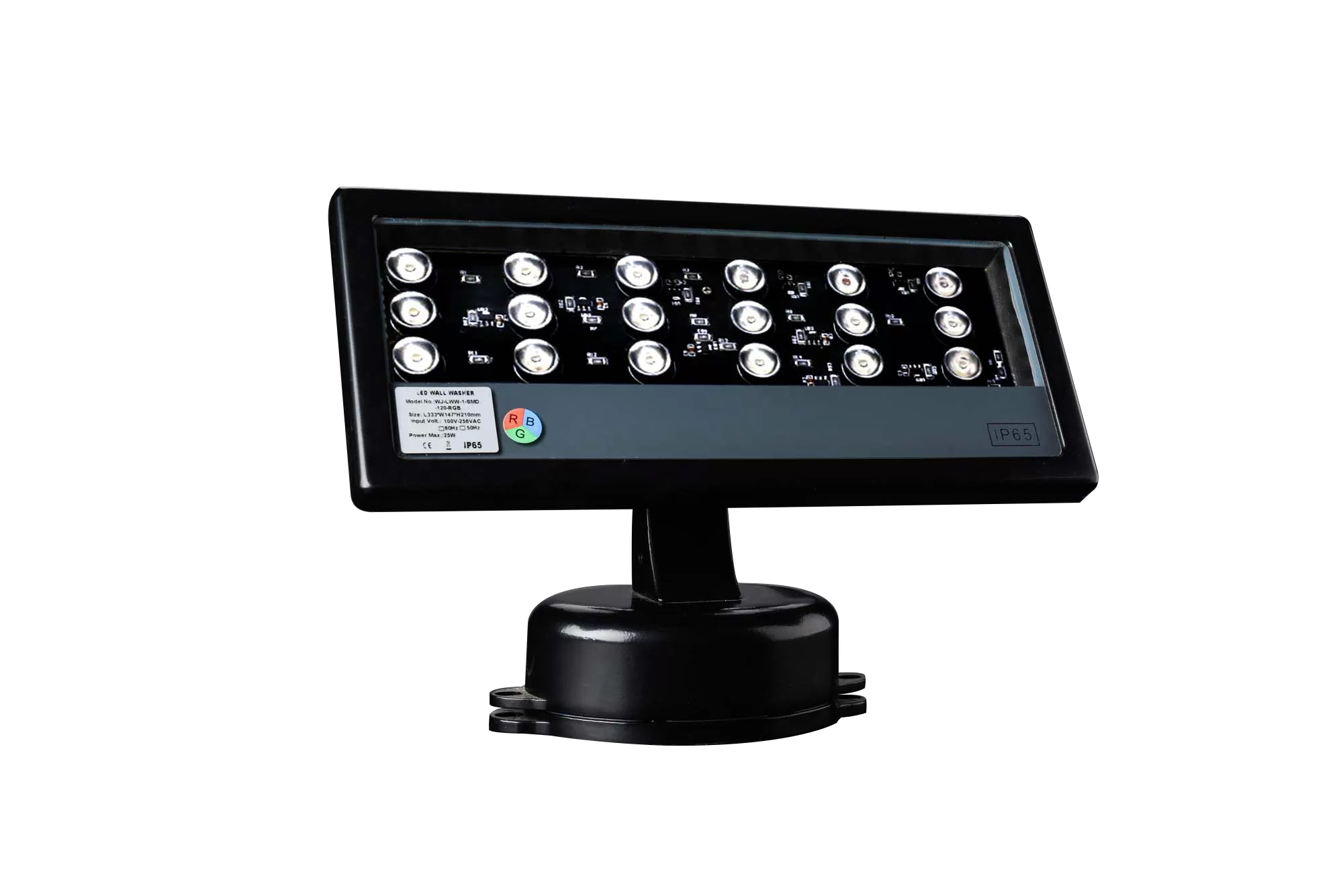
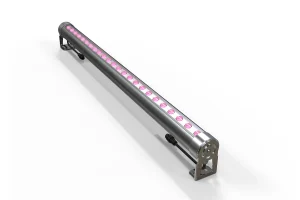
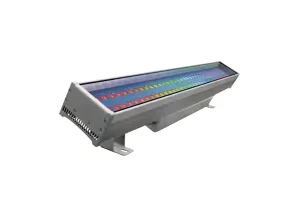
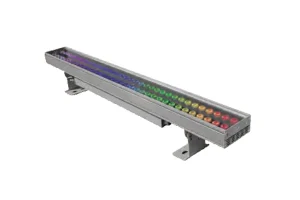
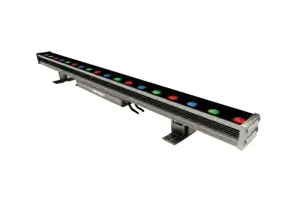
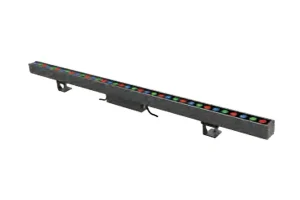
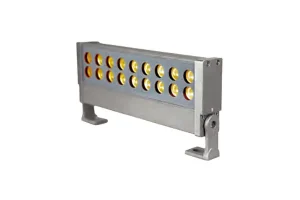
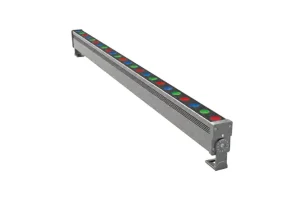
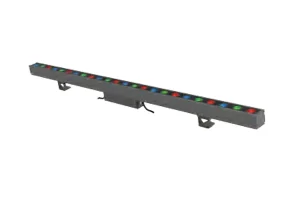
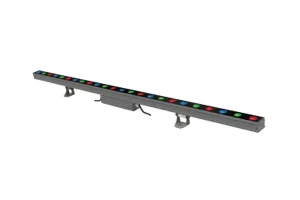
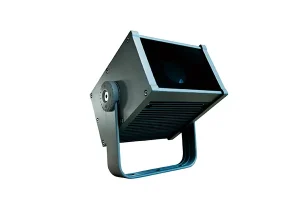
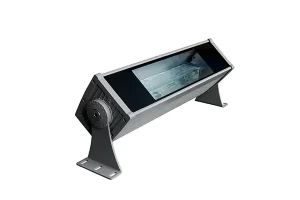
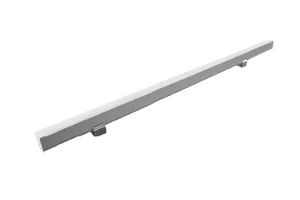
Asymmetric LED Wall Washers: Precision optical control with glare management
-
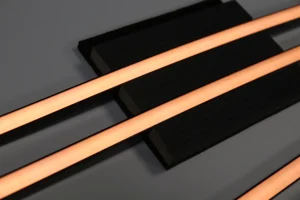
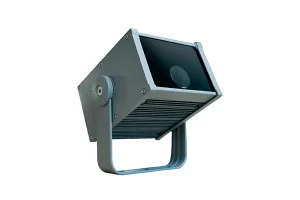
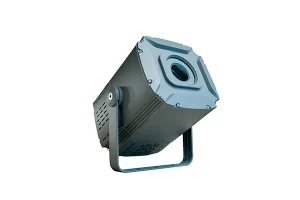
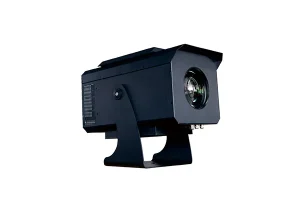
Form-Integrated Luminaires: Architectural lighting elements merging function and sculpture

Fundamental principle: All techniques must subordinate to the wall as spatial protagonist. Masterful execution employs light to reveal surfaces—not fixtures to dominate. When illumination flows seamlessly across planes, space acquires dimensionality through controlled luminance—the pinnacle of lighting design philosophy.