













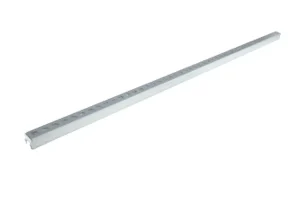
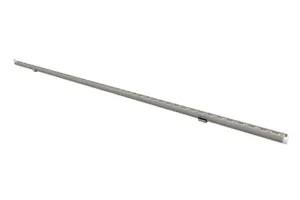


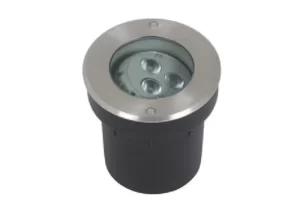


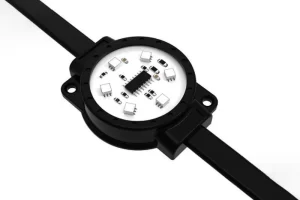






LED Neon light, a romantic urban elegy, began with the illumination of an inert gas. Its journey, however, continues to evolve, embracing new forms of light.
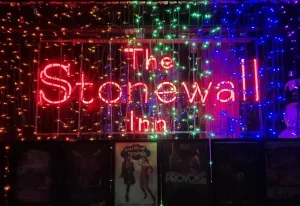
Amidst the bustling crowds of a century ago, neon salesmen walked the streets carrying suitcases radiating a kaleidoscope of colors, drawing countless envious glances. These suitcases were beautiful; opening them revealed an array of fragile glass tubes, each with a small switch capable of instantly transforming into an incredible rainbow. This was the most glamorous and prosperous profession in Manhattan then. Salesmen would enter small shops, open their suitcases, and showcase the magic of neon. Sold! At that time, LED neon lights began to gain popularity; neon swayed with life, and life was adorned by neon. A fresh, bright urban romance elevated the era to new heights.
The science was born in 1898 when London chemist William Ramsay discovered that neon (from the Greek “neos,” meaning “new”) emitted light when electrified. In 1910, French-American inventor Georges Claude first showcased his LED neon lights at the Paris Motor Show. Two years later, he installed the world’s first neon advertising sign for a fashionable Parisian barbershop, marking the dawn of the commercial neon era.
The Art of Light: From Hand-Blown Glass to Flexible Strands
Traditional LED neon light craftsmanship is unique and pure: skilled artisans heat and hand-bend glass tubes into intricate shapes, then fill them with rare gases (neon, argon, mercury, helium, etc.). When electrified, these gases emit distinct, vibrant colors. The tubes emphasize form and line over volume, capable of creating stunning outlines of numbers, text, or characters. Its shadowless nature makes it exceptionally eye-catching at night, with sharp, defined boundaries. This labor-intensive, purely manual art form continues to resist mechanization and standardization, valued for its unique warmth and character.
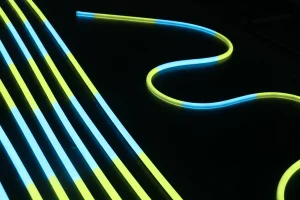
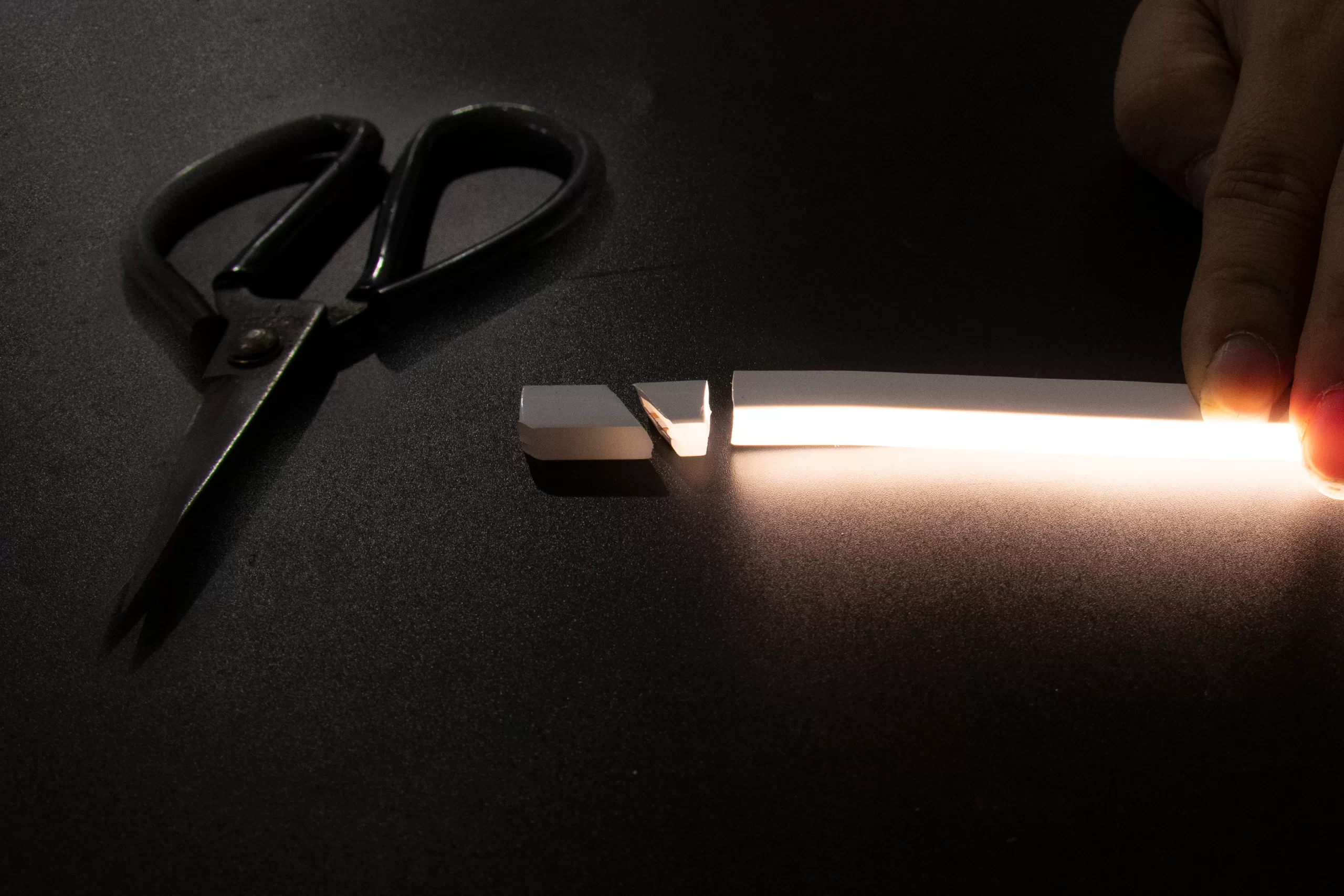
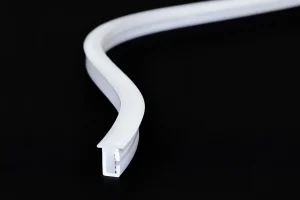
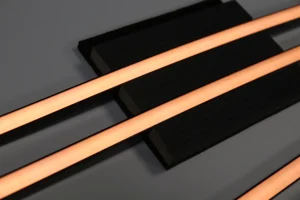
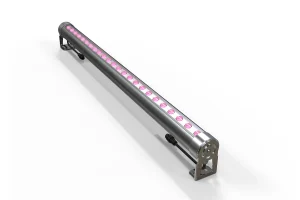
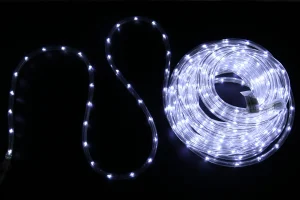
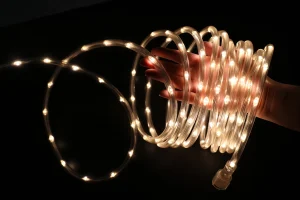
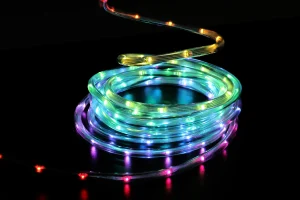
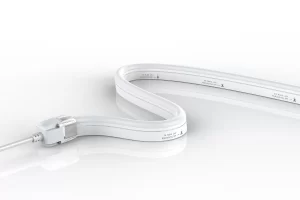
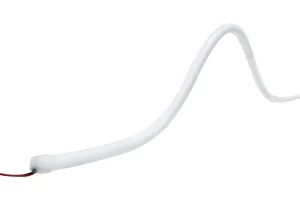
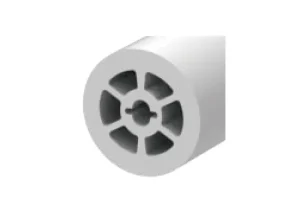
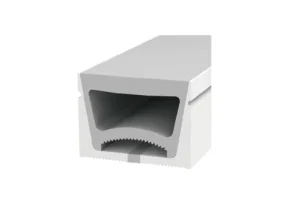
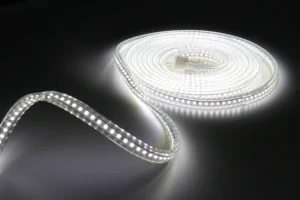
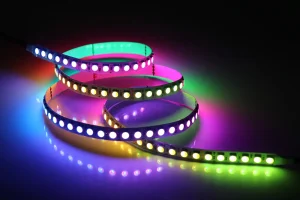
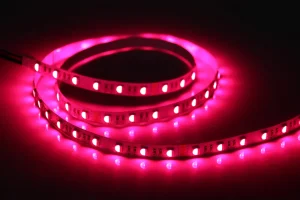
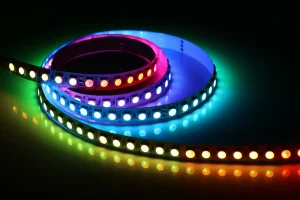
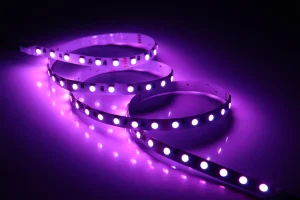
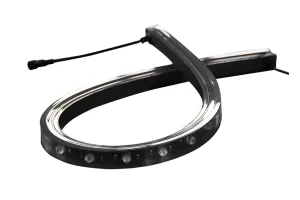
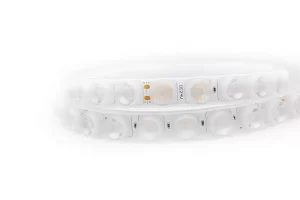
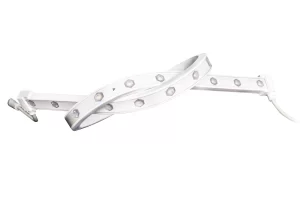
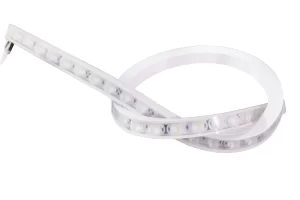
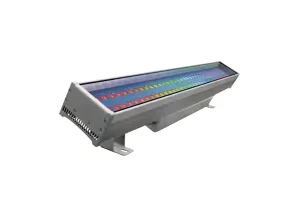
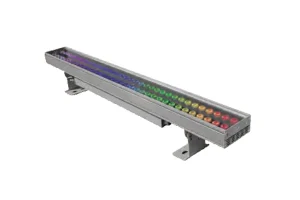
Enter LED Neon Flex: While traditional neon reigned for decades, the late 20th and early 21st centuries saw the rise of a revolutionary alternative: LED Neon Flex (or simply “flex neon”). This technology encases tiny, energy-efficient LED (Light Emitting Diode) chips within a continuous, flexible silicone tube. Mimicking the look of traditional neon with remarkable accuracy, LED Neon Flex offers significant advantages: it’s far more durable (resistant to breakage), vastly more energy-efficient, generates minimal heat, allows for incredibly tight bends and complex shapes impossible with glass, offers a wider palette of colors (often RGB for dynamic changes), and is generally easier and cheaper to install and maintain. While purists may argue it lacks the exact “soul” of gas-filled glass, its practicality and versatility have made it a dominant force in modern signage and architectural lighting.
Neon lights rapidly swept across America, adding vibrant hues to the decadent Roaring Twenties. In 1923, a Los Angeles car dealer erected orange neon letters spelling “PACKARD” beside a highway. Drivers were stunned by this spectacle illuminating the night, stopping to stare and causing traffic jams that infuriated the police. Thus, the human story of neon began amidst such awe and chaos.
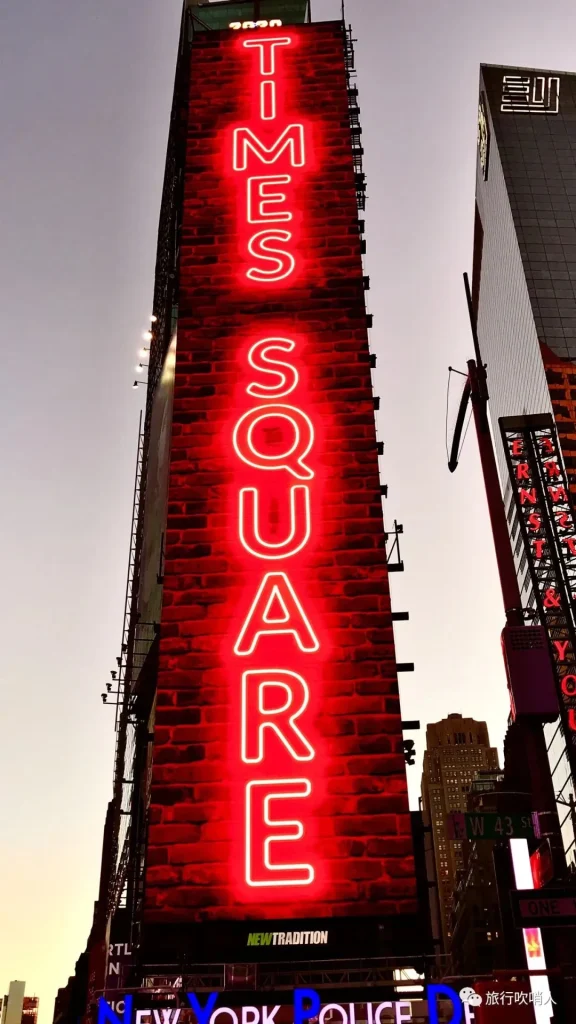
By the 1930s, neon mania spread like wildfire through New York, transforming Times Square into a “huge flame.” The New York Times described tourists witnessing “a nightly eruption of light like Mount Vesuvius,” content to simply “stroll between 42nd and 47th Streets, craning their necks to see the brilliant show.” Traditional neon became the undisputed king of outdoor advertising, reaching its zenith from the 1920s to the 1960s. Streets were conquered by blazing neon signs for everything from department stores and hot dog stands to brand-name clothing, local groceries, corner stores, and nightclubs. By 1927, New York City had 750 neon signs; between 1923 and 1955, approximately 75,000 outdoor electric signs were installed, predominantly neon. Manhattan bid farewell to darkness, becoming a dazzling city that never slept – a feat later sustained and expanded upon by the efficiency and brightness of modern LED lighting, including LED Neon Flex.
A Legacy of Light: Symbols of an Era and its Evolution
Traditional neon lights illuminated America’s urban nights, becoming a radiant symbol of prosperity, progress, commerce, and entertainment. Together with Edison’s incandescent bulb, they wrote America’s modern history of light. Iconic neon masterpieces like the gentleman blowing smoke rings in the Camel cigarette ad on Times Square and Las Vegas’s famous “Welcome to Fabulous Las Vegas” sign elevated American consumerism to epic heights. This legacy of using vibrant, captivating light for expression and advertisement continues powerfully today. While traditional neon signs are cherished relics and art pieces, LED Neon Flex has largely inherited the mantle for mainstream commercial and architectural applications. Its flexibility allows for stunning, complex installations on buildings and interiors, its energy efficiency meets modern demands, and its programmable colors offer dynamic possibilities the original inventors could only dream of. The dazzling lights of contemporary cities, from vibrant storefronts to breathtaking architectural outlines, often owe their brilliance to this modern incarnation of the “neon” ideal, proving that the fundamental desire to light up the night with color and character remains as strong as ever. The story that began with glowing inert gas in a tube now extends into the realm of programmable silicon and diodes, ensuring the “neon” effect continues to define urban landscapes.