


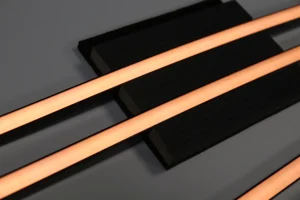
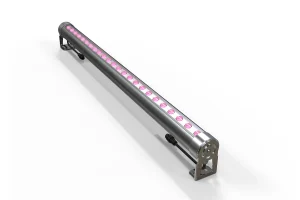
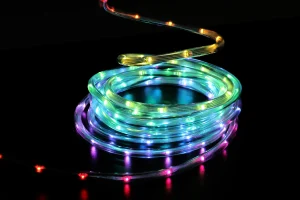
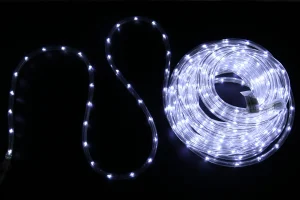

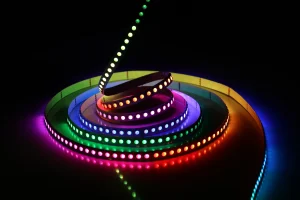


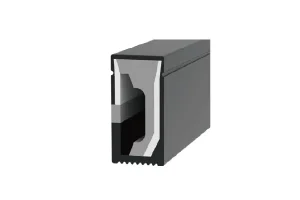
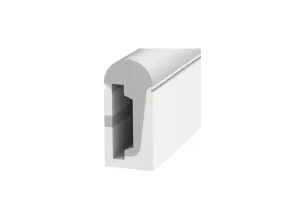
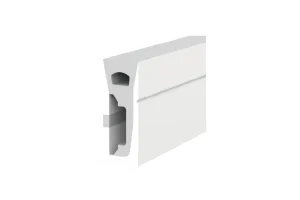
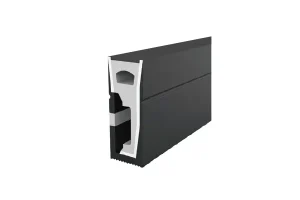
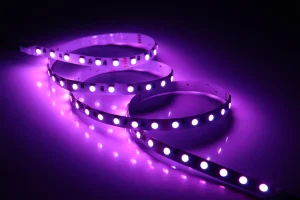
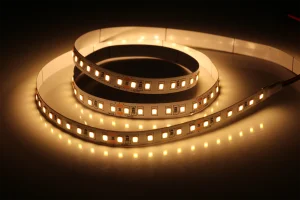
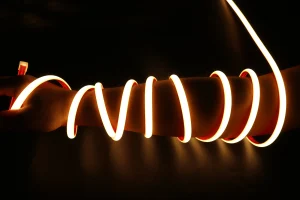


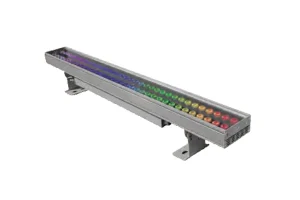
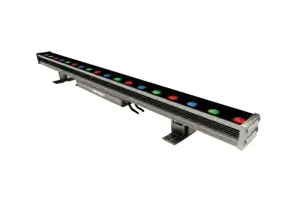
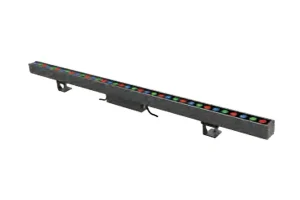
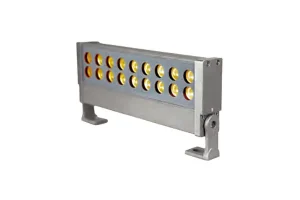
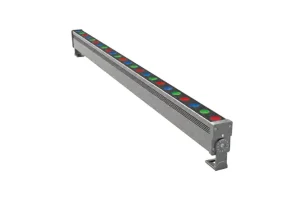
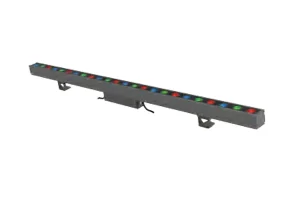
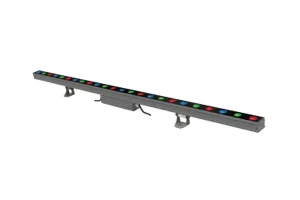


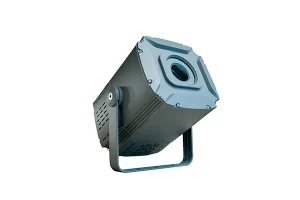
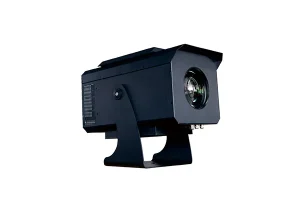




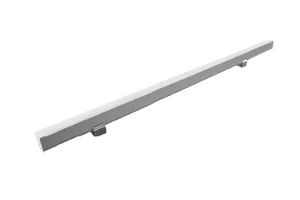
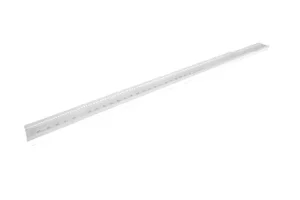
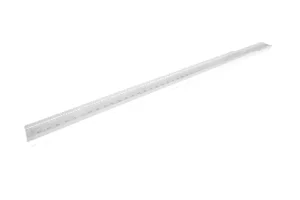
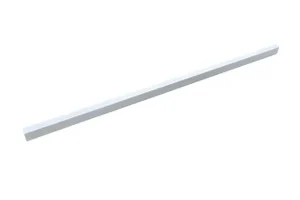

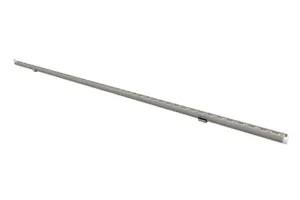


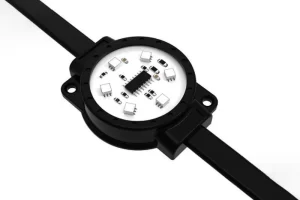





Light, in architectural and spatial design, is far more than a physical entity that dispels darkness. It carries the weight of a soul—a magician that shapes life and defines space. Among all design mediums, light stands out with its unparalleled visual quality, serving as the core force that presents artistic expression and spiritual depth. LED Light Strips, these ingenious creations of modern design, function like enchanted wands that master light and shadow. Beyond providing basic illumination, they quietly unleash breathtaking artistic energy.


In the grand narrative of spatial design, light itself is an indispensable language of decoration. Through delicate interplay of light, shadow, and contrast, it infuses static architectural textures with dynamic vitality and exuberance, creating visual poetry that leaves viewers breathless. In contemporary design trends, light strips have emerged as star elements that shape the soul of spaces, frequently taking center stage. The birth of the concept of “light washing” can be traced back to the pioneering work of design master Richard Kelly and architect Philip Johnson.
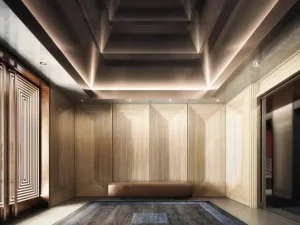

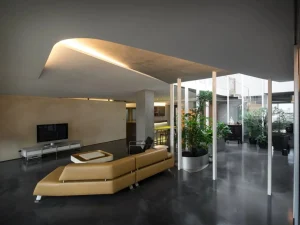
In 1958, they transformed New York’s Seagram Building into their canvas, proposing the groundbreaking vision of the “Tower of Light.” Rejecting harsh direct lighting, they instead employed concealed light sources to create soft, uniform washes—”allowing light to wash over walls like water.”

This revolutionary approach not only overturned architectural lighting aesthetics but also endowed the building’s façade with a serene yet majestic aura at night, elevating the spiritual beauty of the space. Today, while “light washing” has become commonplace, the scientific logic and artistic philosophy behind it—Richard Kelly’s distilled “Three Principles of Lighting”—remain profoundly insightful:

Richard Kelly (left), Philip Johnson (right)
Focal Glow: Like a spotlight on a stage, it precisely highlights key areas, guiding the eye and establishing visual anchors.
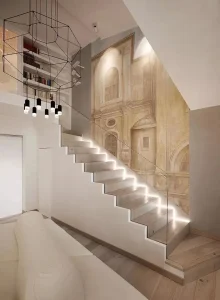
Ambient Luminescence: This creates a “magic of atmosphere”—where the space itself doesn’t emit light directly but is bathed in uniform, soft “shadowless illumination” through reflection and diffusion, setting the emotional tone.
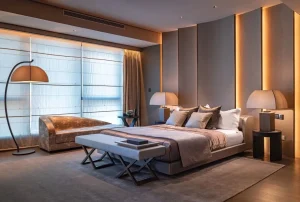
Play of Brilliants: Introducing dynamic elements, such as beams that mimic natural light pouring in, it conjures floating, rhythmic surreal effects in hazy settings, injecting dramatic vitality into the space.
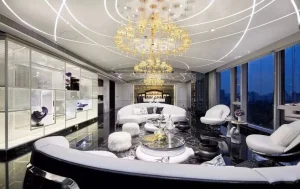
When light strip technology entered the realm of home design, its power to shape spatial layers expanded boundlessly:
Ceiling Design: Farewell to cumbersome main fixtures. Combining suspended-effect light strips with recessed or spotlights enriches the ceiling visually. Light drifts like soft mist, crafting a gentle, luminous, and richly atmospheric environment.
Wall Revolution: Light strips grant walls a modern duality of depth and illusion. Whether dancing with elegant curves or colliding with geometric forms, they instantly ignite spatial energy, turning walls into artistic canvases that narrate stories of light.
Cabinetry Accents: Concealed within bookshelves, wardrobes, or kitchen cabinets, light strips dispel shadows in dark corners with soft illumination. Beyond enhancing functionality, they deliver refined visual delight upon activation, transforming storage into radiant displays.
Floor Ingenuity: Embedding light strips along corridors, beneath beds, or under TV walls is like tracing the space with luminous eyeliner. This understated luxury not only strengthens wayfinding but also sketches ethereal, floating silhouettes in the dark, adding poetic brilliance to everyday life.
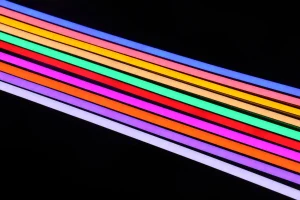
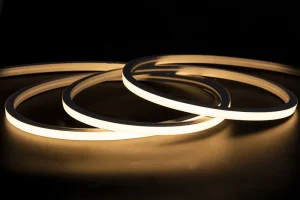
As precision carriers of light, light strips hold value far beyond basic illumination. In a silent yet potent manner, they transmute the physical contours of architecture into spiritual totems. From the era-defining “light washing” of Kelly and Johnson to the intricate layouts in homes, light strips remain the key to awakening the soul of space.
When you learn to wield light as an invisible pen, sketching the texture and depth of space through gradients of reality and illusion, the elevation of your living environment becomes inevitable. Light does not merely illuminate space—it sculpts time in the interplay of brightness and shadow, endowing the cold material world with a warm, profound soul.


