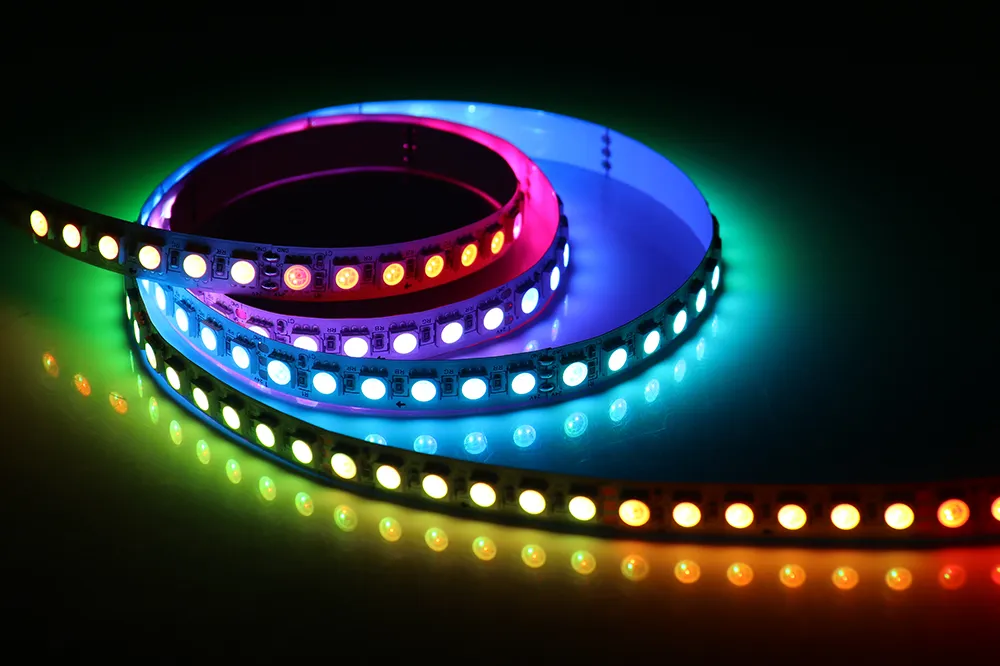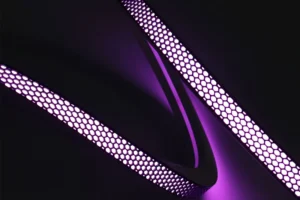


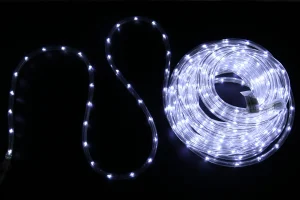

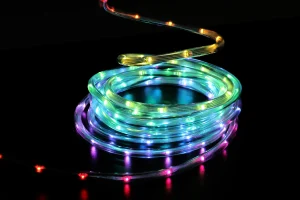


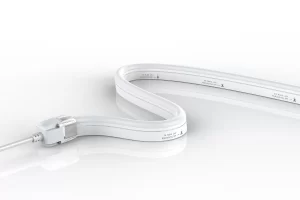







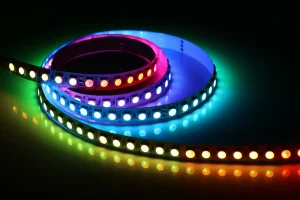
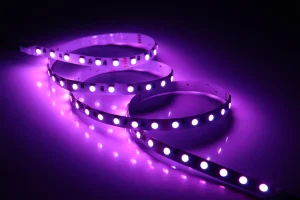
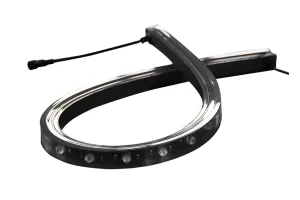
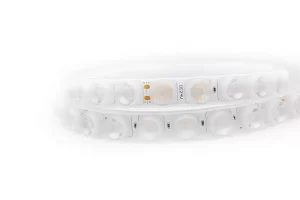







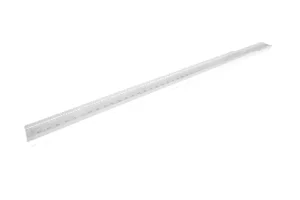
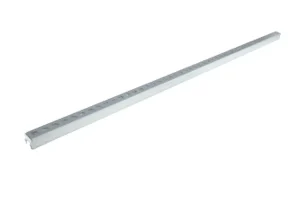
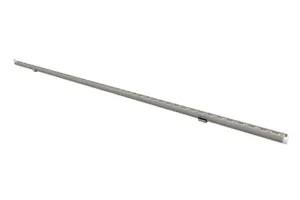








With the rising popularity of “mainless lighting” design concepts, LED strip lights have become a favorite in modern interior lighting. Whether it’s bars, KTV lounges, wedding venues, or banquet halls, colorful and flexible LED strip lights are now a staple element for designers. Among the wide variety available, SMD LED strips and COB LED strips are the two most common types. While both have their unique advantages, this article will help you clearly understand the key differences between them, so you can make the right choice for your project.
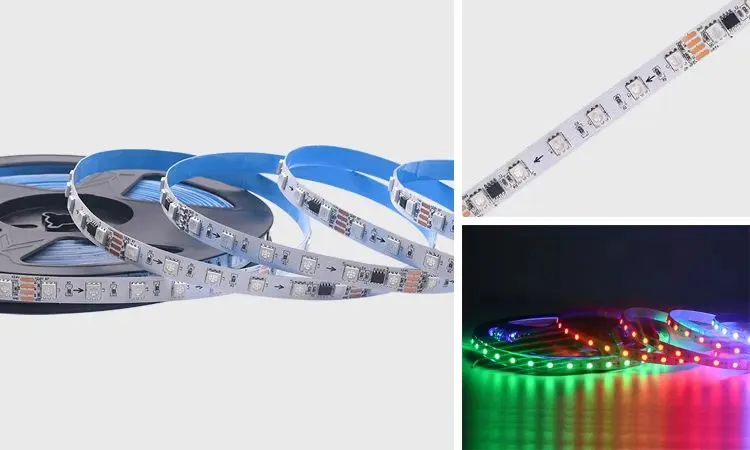
1. SMD LED Strip Lights
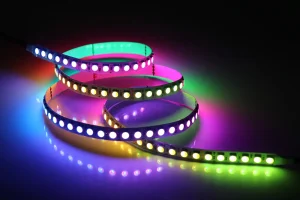
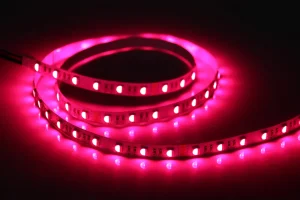
SMD stands for Surface-Mounted Device. These LEDs are mounted directly onto a flexible PCB (printed circuit board) and appear as individual light-emitting chips arranged in a row. SMD LED strips are currently one of the most widely used types of LED products on the market.
Key Features of SMD LED Strips:
-
High brightness
-
Energy-efficient
-
Flexible and customizable
-
Long lifespan
-
Easy to install
Common SMD LED Strip Models:
-
3528: 3.5mm × 2.8mm, 0.08W–0.2W per LED, 12V/24V; suitable for decorative and backlighting.
-
5050: 5.0mm × 5.0mm, 0.2W–0.5W per LED, 12V/24V; often used for both decorative lighting and general-purpose illumination.
-
2835: 2.8mm × 3.5mm, 0.2W–0.5W per LED, 12V/24V; offers good brightness and efficiency.
-
5630: 5.6mm × 3.0mm, 0.5W–1W per LED, 12V/24V; used in higher-brightness applications.
-
3014: 3.0mm × 1.4mm, 0.1W–0.2W per LED, 12V/24V; compact and often used in backlighting or ambient light scenarios.
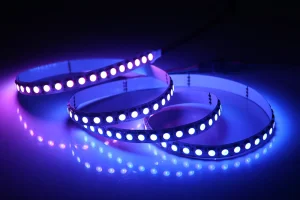
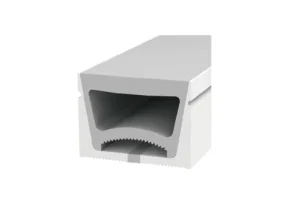
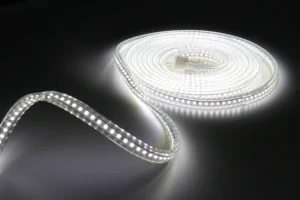
However, one downside of traditional SMD strips is that the spacing between LEDs creates visible light spots or hotspots when illuminated. This can be visually distracting in applications where continuous and smooth light is desired. To mitigate this, a diffuser cover or light mixing space is typically required, which means you’ll often need a bulkier aluminum channel.
2. COB LED Strip Lights
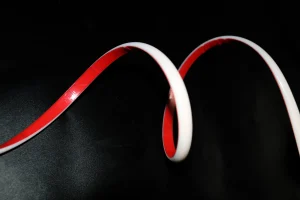
COB, or Chip On Board, refers to a newer LED technology where multiple LED chips are packaged directly onto the PCB in a dense array, forming a continuous light-emitting surface. This design results in a smoother, more uniform light output without the visible hotspots seen in SMD strips.

Key Advantages of COB LED Strips:
-
Continuous, even light output
-
No visible light spots
-
High brightness with excellent color consistency
-
No need for bulky diffusers or large aluminum profiles
COB LED strips use a phosphor coating to diffuse the light from the densely packed chips, producing a seamless glow. This makes them ideal for applications where aesthetics and uniform lighting are important. In cases where aluminum channels are still preferred, ultra-thin or flat profiles are sufficient.

Conclusion: Which Should You Choose?
-
Choose SMD LED strips if you’re working on general lighting or decorative projects where light spots aren’t a major concern, and you want more variety in size, color, and cost options.
-
Choose COB LED strips when you need smooth, spot-free lighting — especially for task lighting, indirect lighting, or modern design where appearance matters.
Understanding these differences will help you pick the right LED strip for your needs — and avoid unnecessary issues down the road.