



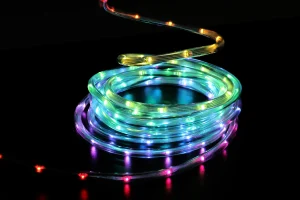



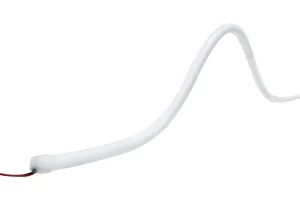





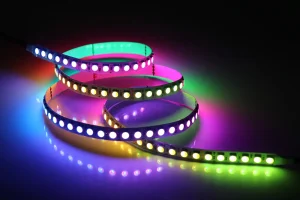
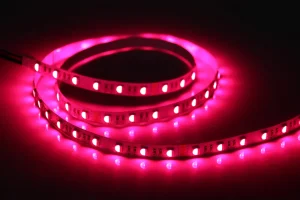
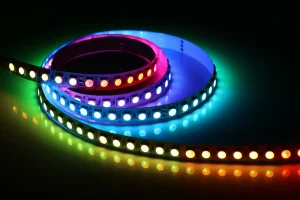
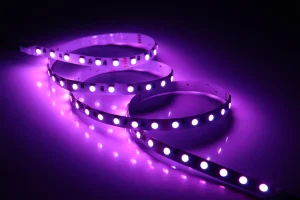
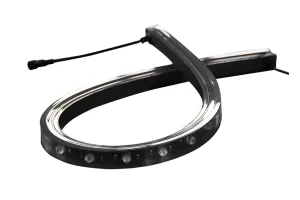
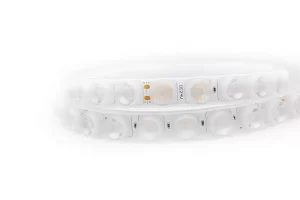
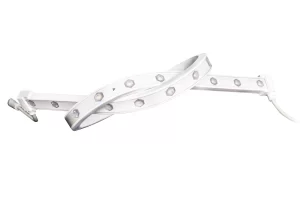

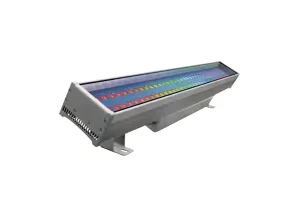
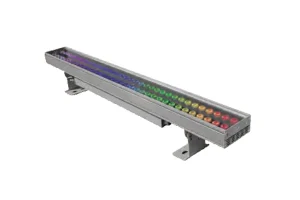
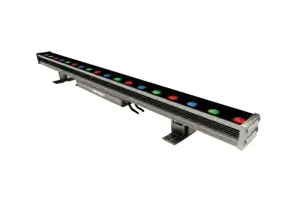
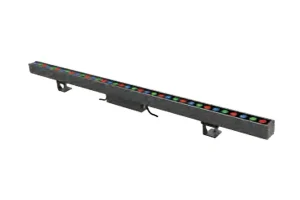


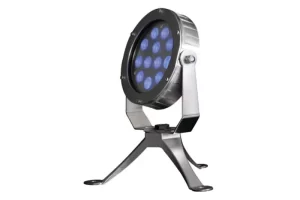
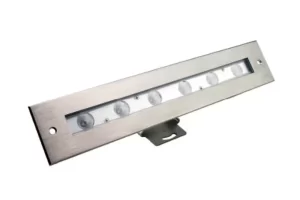
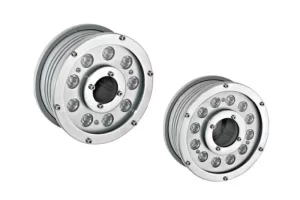


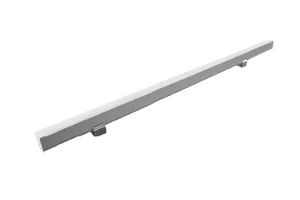
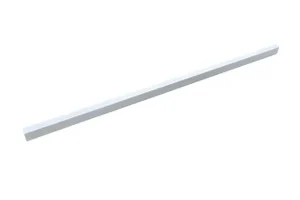
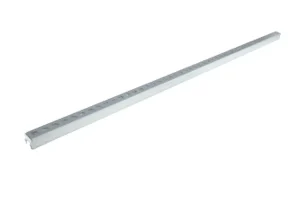
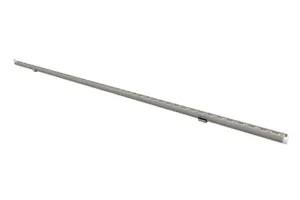


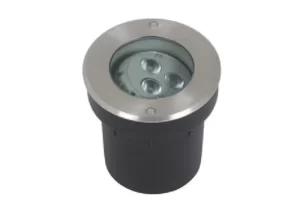


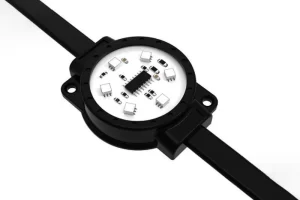


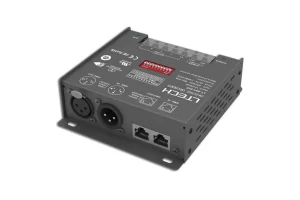


In an era of escalating environmental awareness, optimizing energy efficiency in buildings has become a critical global priority. Among emerging technologies, smart LED strip lights stand out as a transformative solution for reducing energy consumption. By merging high-efficiency LED technology with intelligent controls, these systems unlock unprecedented energy-saving potential. Below, we explore how smart LED strip lights can drive sustainability in buildings through advanced features and integrations.
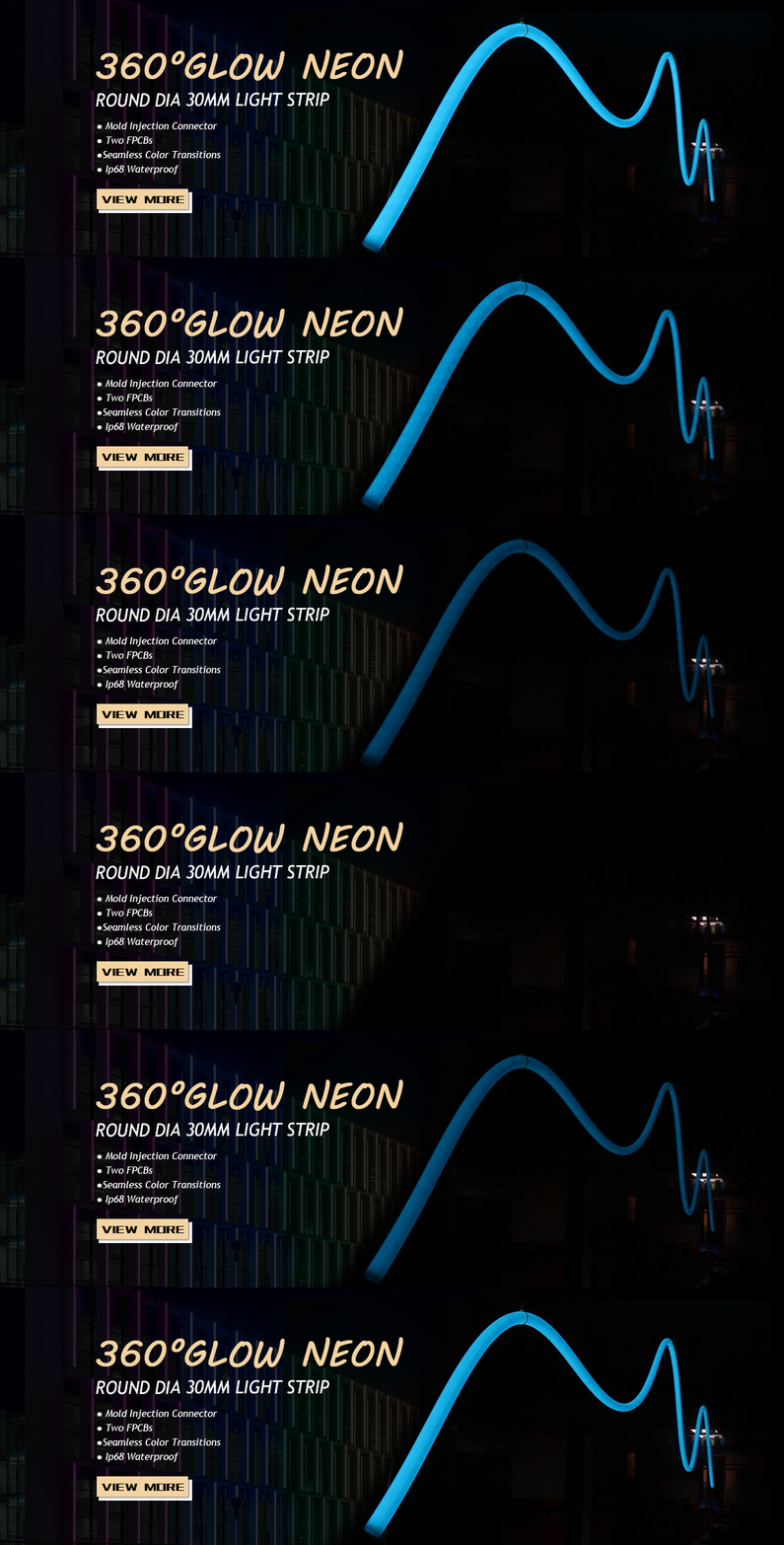
1. The Foundation: Energy-Efficient LEDs Meet Intelligent Controls
LED strip technology inherently surpasses traditional lighting in energy efficiency, converting up to 90% of electricity into visible light while minimizing heat loss. However, the true innovation lies in integrating smart controls—sensors, IoT connectivity, and adaptive algorithms—that enable dynamic adjustments to brightness, color, and operation based on real-time conditions. This synergy elevates LED strips from passive light sources to responsive, data-driven systems.
2. Sensor-Driven Optimization
Ambient Light Sensors
Smart LED strip systems use ambient light sensors to detect natural illumination levels. For instance, in office spaces near windows, sensors reduce artificial lighting during daylight hours, maintaining consistent illumination while curbing energy use. This granular control ensures optimal brightness without overlighting, particularly in areas with variable natural light.
Occupancy Detection
Infrared or motion sensors detect human presence, automatically turning strips off in unoccupied zones like corridors or storage rooms. In high-traffic areas, dimming features activate during low-activity periods. Such automation eliminates the waste of lighting empty spaces, significantly reducing energy consumption over time.
3. Networked Intelligence and Centralized Management
IoT-Enabled Connectivity
By embedding IoT technology, smart LED strip fixtures become interconnected nodes within a building-wide network. Facility managers gain remote access via centralized platforms to monitor lighting status, adjust settings, or identify malfunctions in real time. This connectivity streamlines maintenance and ensures systems operate at peak efficiency.
Predictive Analytics and Maintenance
Data collected from sensors—such as usage patterns, energy consumption, and strip health—fuels predictive analytics. Machine learning algorithms forecast maintenance needs, like replacing sections of strips before brightness degradation impacts performance. Proactive upkeep minimizes downtime and prevents energy waste from suboptimal lighting.
4. Adaptive Lighting Scenarios and Personalization
Preset Modes for Diverse Needs
Smart systems allow preconfigured lighting scenes tailored to specific activities. A “Retail Display Mode” in storefronts might combine bright, cool-toned light for product visibility, while a “Relaxation Mode” in hospitality spaces employs warmer, dimmer hues. Instant scene switching avoids energy-intensive manual adjustments.
User-Centric Customization
Individuals can fine-tune strip parameters (e.g., brightness, color temperature) within designated zones via apps or touch panels. Personalized settings enhance comfort while preventing excessive energy use from uniform, one-size-fits-all illumination.
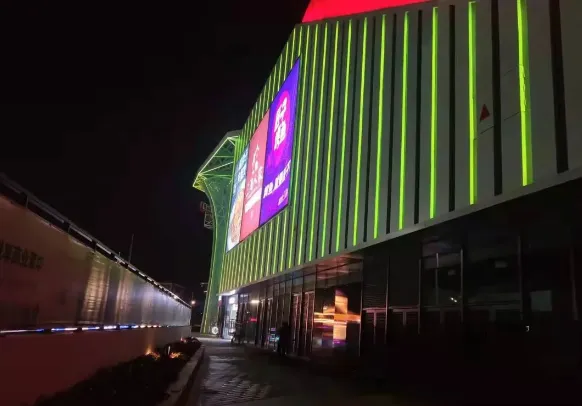
5. Synergy with Building Ecosystems
Integration with Building Automation Systems (BAS)
Smart LED strips interact with HVAC, security, and ventilation systems to optimize overall energy use. For example, during peak cooling loads, dimming strips reduces heat output, easing HVAC strain. Such cross-system coordination enhances building-wide efficiency.
Harmony with Renewable Energy
Pairing smart LED strips with solar panels or wind turbines creates a responsive energy loop. Strips can dim or brighten dynamically based on renewable energy availability, maximizing the use of clean power. Battery storage integration further stabilizes supply, ensuring efficient energy distribution during low-generation periods.
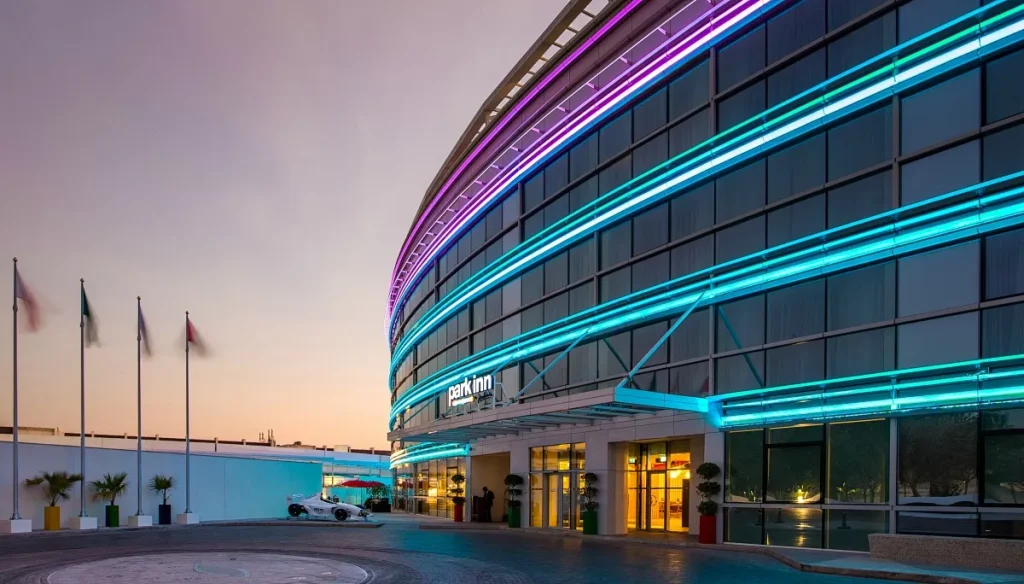
Conclusion: A Brighter, Greener Future
Smart LED strip systems transcend conventional energy-saving measures by blending efficiency with adaptability. Through sensor-driven automation, data analytics, and seamless integration with building infrastructure, they minimize waste while enhancing aesthetics and user comfort. As buildings evolve into smarter, sustainable ecosystems, these versatile systems will play a pivotal role in achieving global energy goals—proving that innovation and environmental stewardship can shine together.


