Industry News

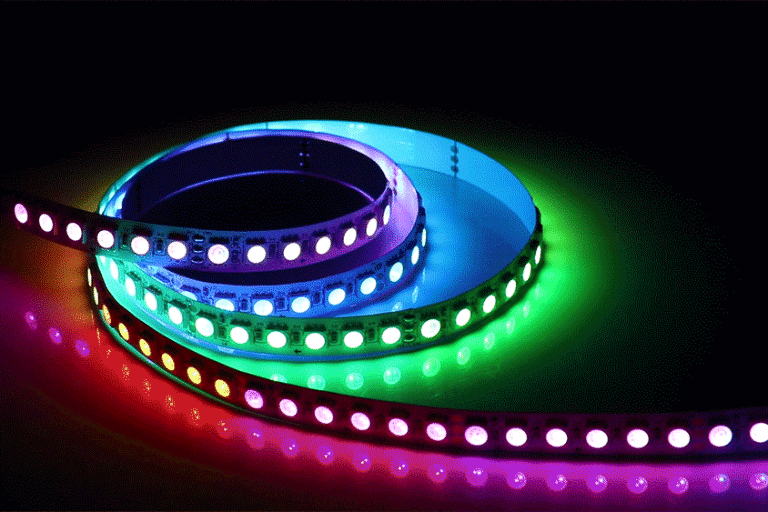
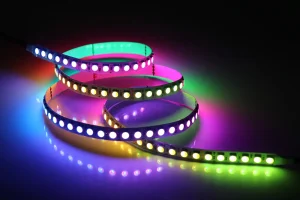
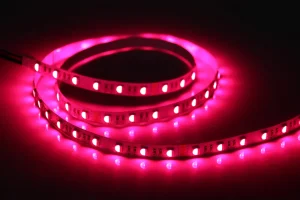
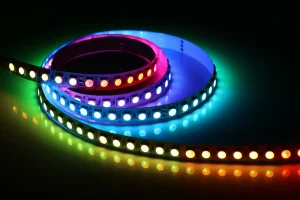
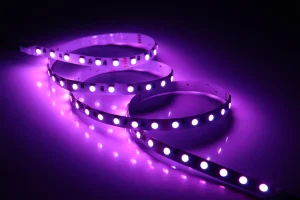
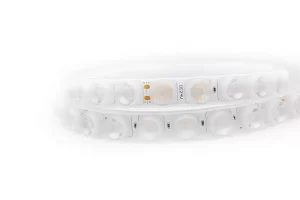
With the rising popularity of “mainless lighting” design concepts, LED strip lights have become a favorite in modern interior lighting. Whether it’s bars, KTV lounges, wedding venues, or banquet halls, colorful and flexible LED strip lights are now a staple element for designers. Among the wide variety available, SMD LED strips and COB LED strips are the two most common types.
In today’s competitive market, effective branding is essential for standing out. Neon light letters, with their eye-catching glow and customizable design, have become a powerful tool for enhancing brand visibility and creating memorable customer experiences.
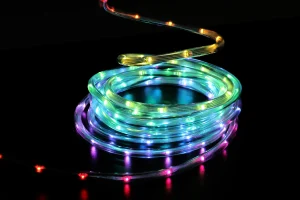
In the luminous tapestry of contemporary cities, neon light strips have emerged as a core medium connecting aesthetics and functionality through their vibrant colors and dynamic forms.
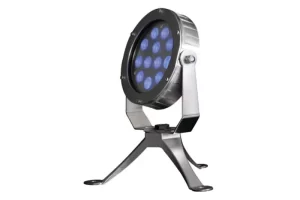
Gazing at a pool’s surface, LED underwater lights write three-dimensional verses across liquid canvases. They guide like constellations, mesmerize with chromatic choreography, and guard like silent sentinels. In this fusion of tech and artistry, every stroke becomes a ritual—not of repetition, but of rediscovery. For in these luminous realms, we are all protagonists, crowned by light.
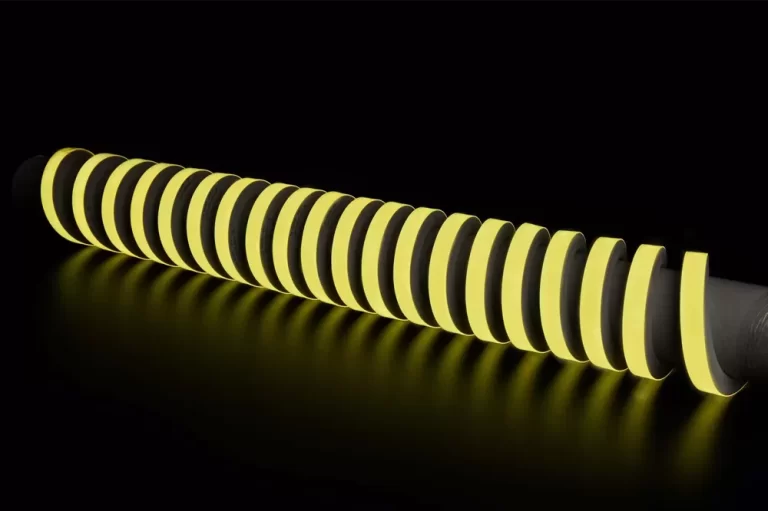
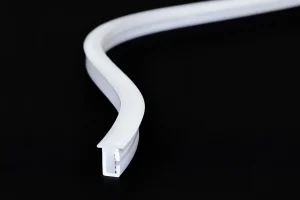
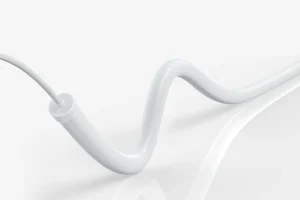
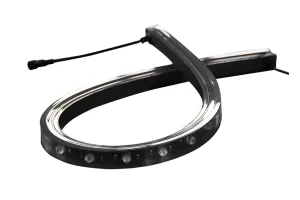
LED neon lights represent a transformative leap in lighting technology. By integrating light-emitting diodes (LEDs) into flexible silicone tubes, these modern iterations combine energy efficiency with artistic versatility. Unlike traditional neon tubes reliant on gas discharge, LED neon lights operate at low voltages, consuming up to 70% less energy while maintaining brilliant luminosity.
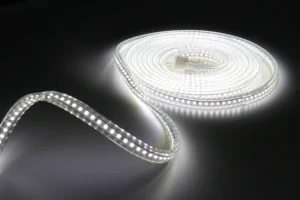
In recent years, motion-sensing LED strip lights have revolutionized staircase design, merging futuristic technology with ambient lighting effects.
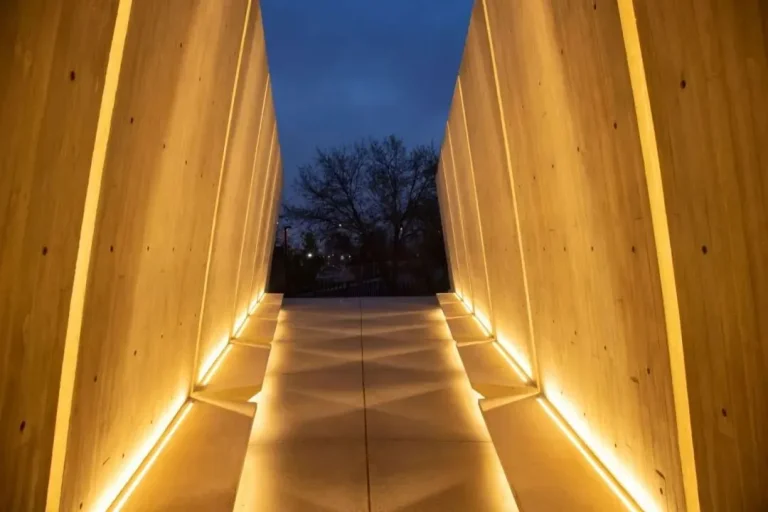
When light becomes an inseparable “skin” of architecture—embodied in innovations like adaptive LED strip lighting—its role surpasses mere illumination.
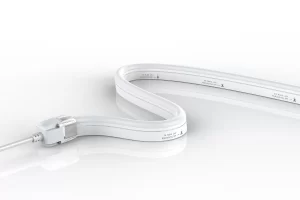
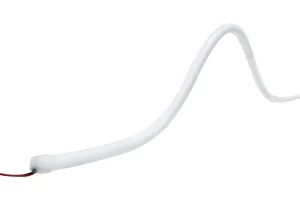
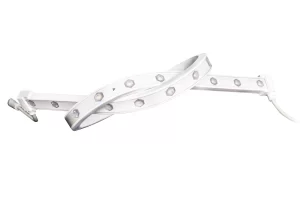
Light is the soul of spatial design—an invisible brush that imbues spaces with warmth, emotion, and vitality. In an era prioritizing personalization and immersive experiences, flexible silicone LED strips have emerged as a transformative tool for designers, redefining the boundaries of lighting artistry.
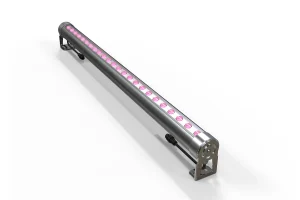
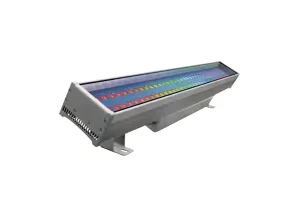
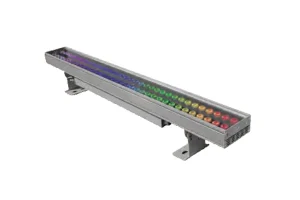
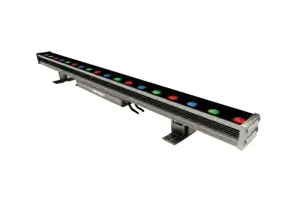
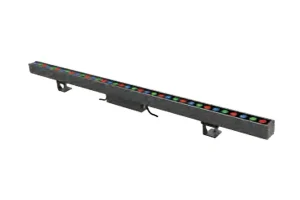
As smart cities and digital architecture evolve, LED wall washers have transformed from decorative tools into integrated systems merging photonics, IoT, and renewable energy. Future advancements will prioritize modularization, networking, and sustainability, balancing aesthetics with intelligent environmental interaction. Emerging standards like IEEE P2048.1 for smart lighting will further shape innovation, ensuring these fixtures remain pivotal in redefining urban nightscapes.
Smart LED strip systems transcend conventional energy-saving measures by blending efficiency with adaptability.
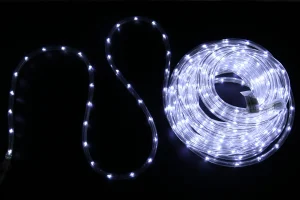
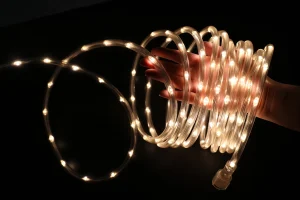
LED strips have become ubiquitous in architectural lighting, commercial spaces, automotive applications, advertising, and urban landscaping. Evolving beyond basic illumination functions, innovative LED strip technology now combines artistic aesthetics with eco-friendly performance and lifestyle integration.
Choose language