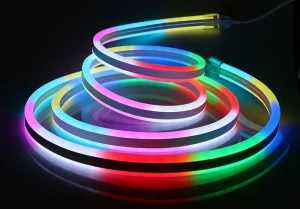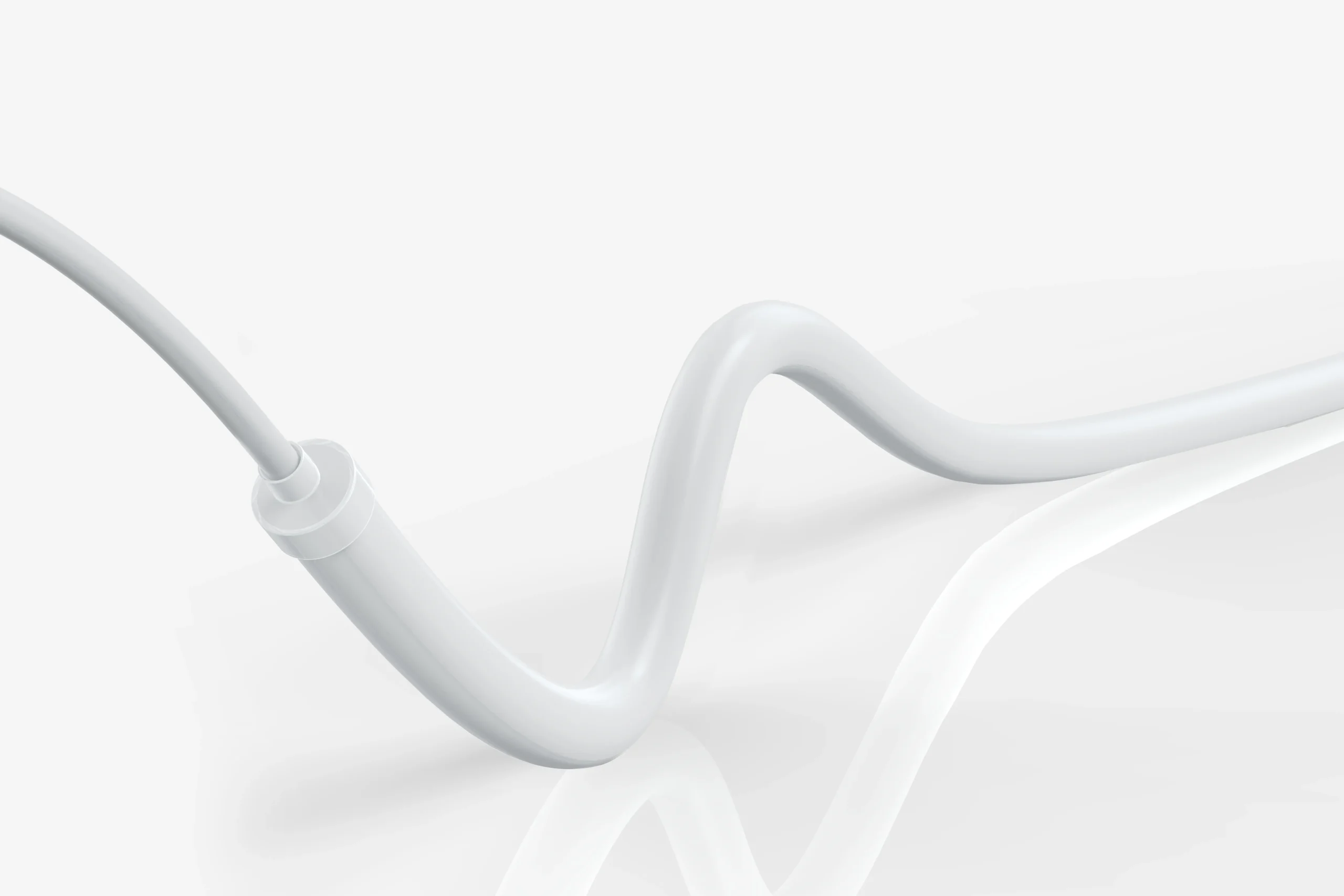
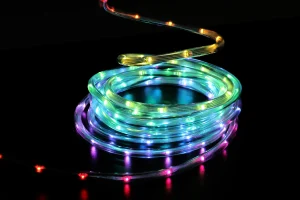


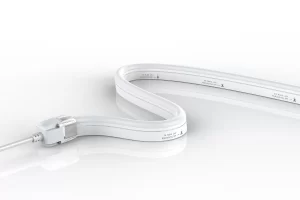
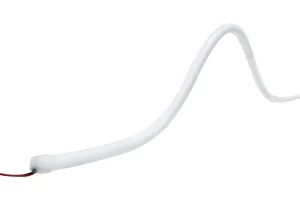

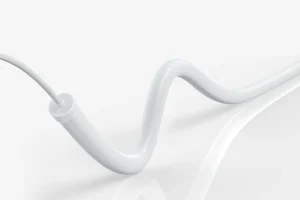



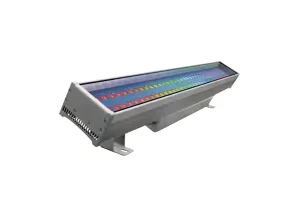
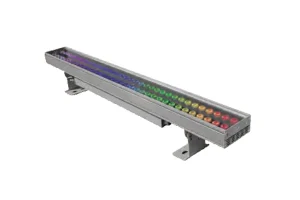
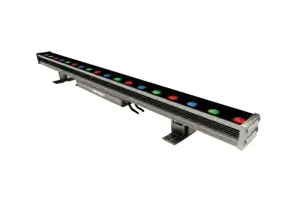
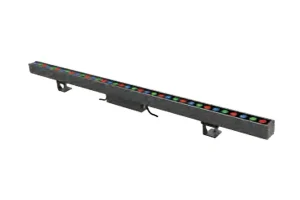





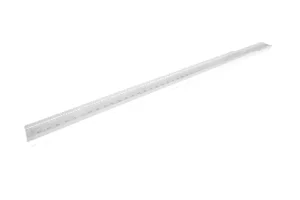
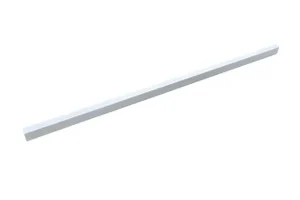
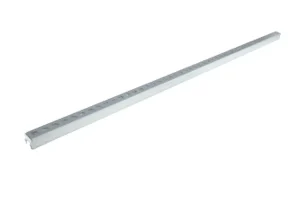
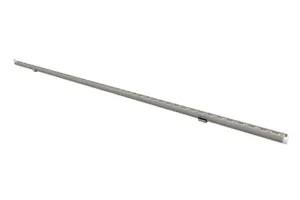








In the luminous tapestry of contemporary cities, neon light strips have emerged as a core medium connecting aesthetics and functionality through their vibrant colors and dynamic forms. Evolving from traditional neon tubes to today’s intelligent LED technology, these strips have transcended their role as mere lighting tools, transforming into a vital language for spatial storytelling. They not only reshape how humans perceive light but also drive revolutions in commercial, entertainment, and urban cultures through their versatile scene adaptability.
I. From Neon Symbols to Spatial Emotions: The Evolution of Light Aesthetics
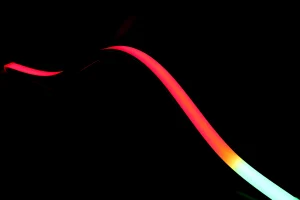
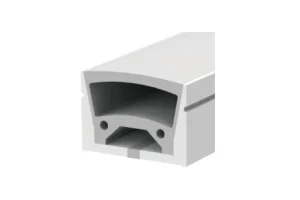
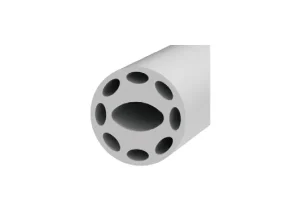
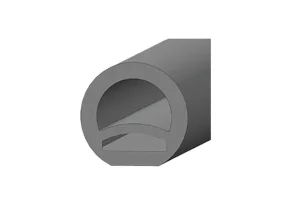
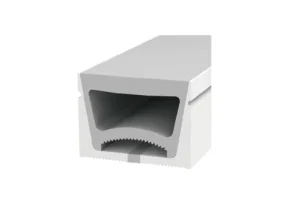
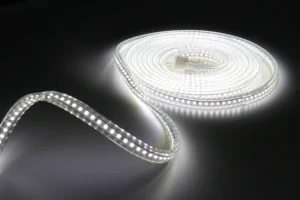
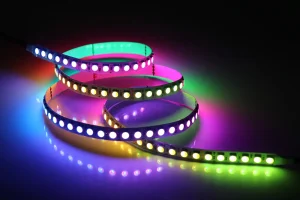
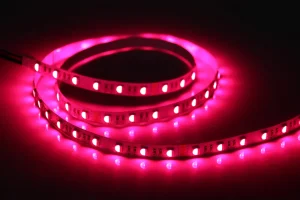
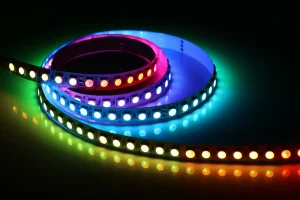
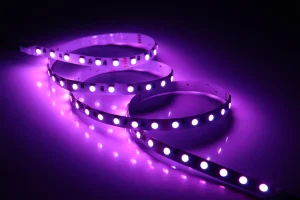
The artistic DNA of neon light strips traces back to early 20th-century urban neon culture. While classic neon tubes symbolized urban prosperity, modern LED neon strips retain their visual impact while achieving technological breakthroughs. Flexible silicone bodies replace fragile glass tubes, and RGBIC chip technology enables independent programming of each LED, allowing users to mix 16.8 million colors and create dynamic modes like gradients, breathing effects, and rhythmic patterns via smartphone apps or smart control systems.
This evolution turns neon strips from static symbols into dynamic emotional mediums. At a Shenzhen immersive art exhibition, designers wove kilometers of light strips into flowing luminous webs, synchronized with AI algorithms that tracked audience movements, forming an interactive “digital forest.” As light ripples spread with human gestures, traditional lighting ascends to living art installations, embodying the modern design philosophy that “scenes are content.”
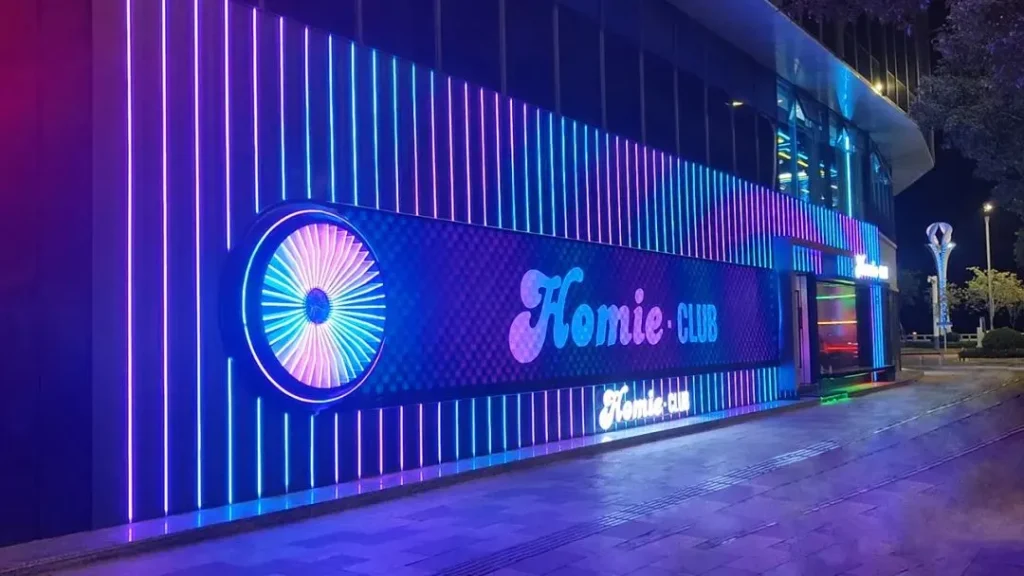
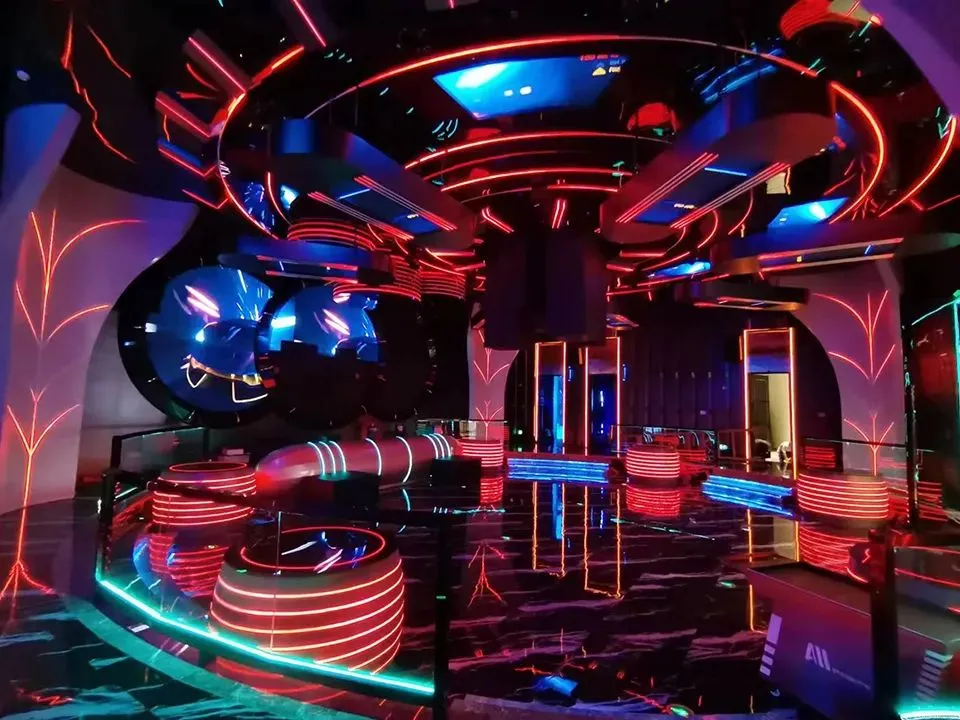
II. Reconstructing Commercial Spaces: From Functional Lighting to Consumption Catalyst
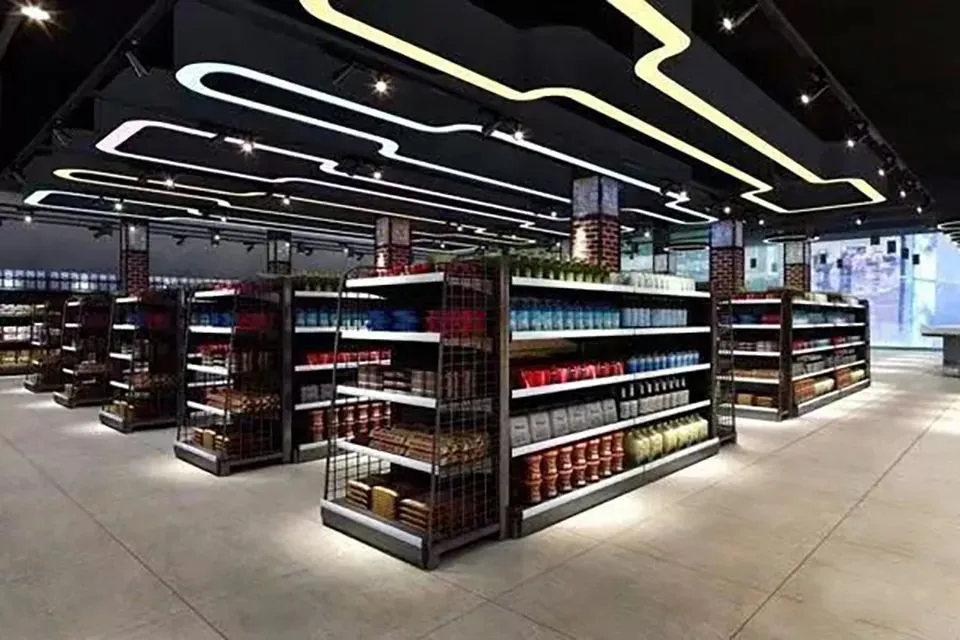
In the experience economy, neon light strips amplify commercial value. Shanghai’s Jing’an Kerry Centre embedded intelligent strips into its ceiling matrix, shifting from 6500K cool white to 2700K warm light to align with human circadian rhythms. Data shows this dynamic lighting increased customer dwell time by 23% and boosted spending by 17%.
In retail innovation, a Tokyo Ginza beauty concept store merged strips with AR: when customers pick up products, cabinet lights project ingredient patterns, while floor strips guide them to trial zones. This “light navigation” system raised conversion rates by 40%, proving light’s shift from backdrop to shopping guide. In Hangzhou, a luxury mall used strips to create digital waterfalls on pillars, with QR codes for limited-time offers surfacing during peak hours—turning decor into a marketing interface.
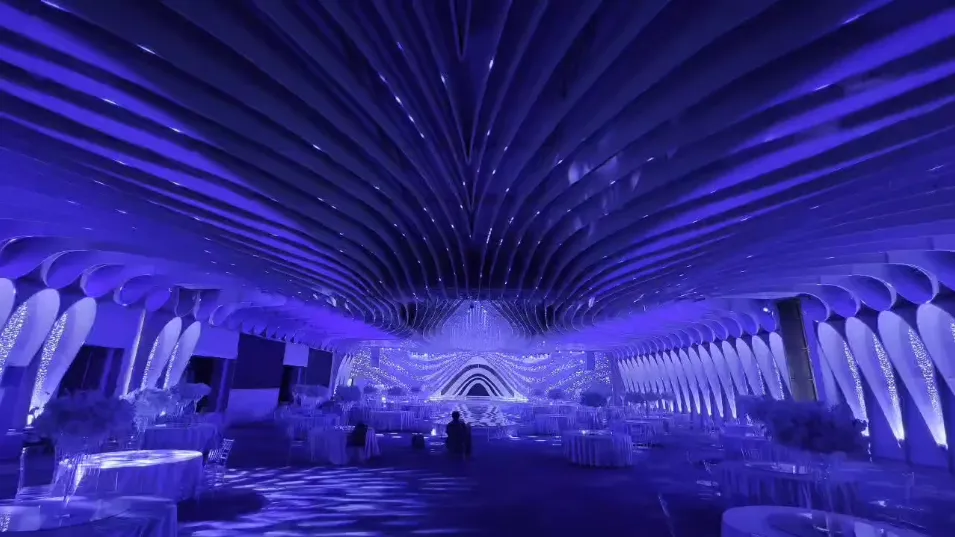
(Application Effect of Light Strips in Fujian Quanzhou Lijiu Huayan Dual-Purpose Banquet Hall)
Adding light strips to wall designs can infuse a space with an elegant and understated charm, enhancing the aesthetic appeal of feature walls while simultaneously improving ambient lighting.
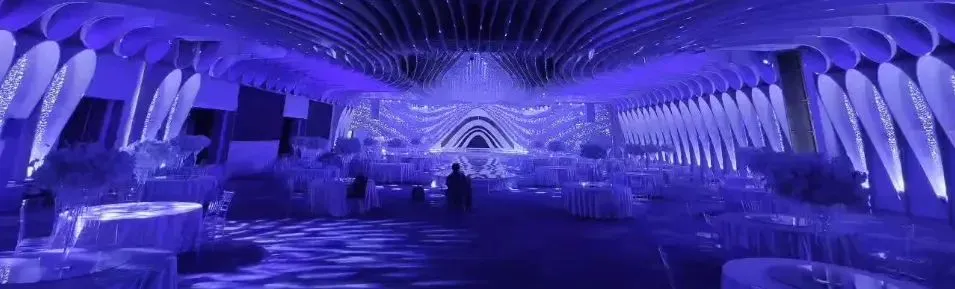
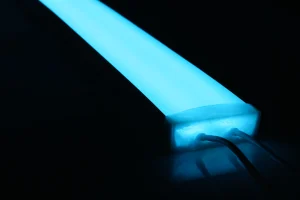
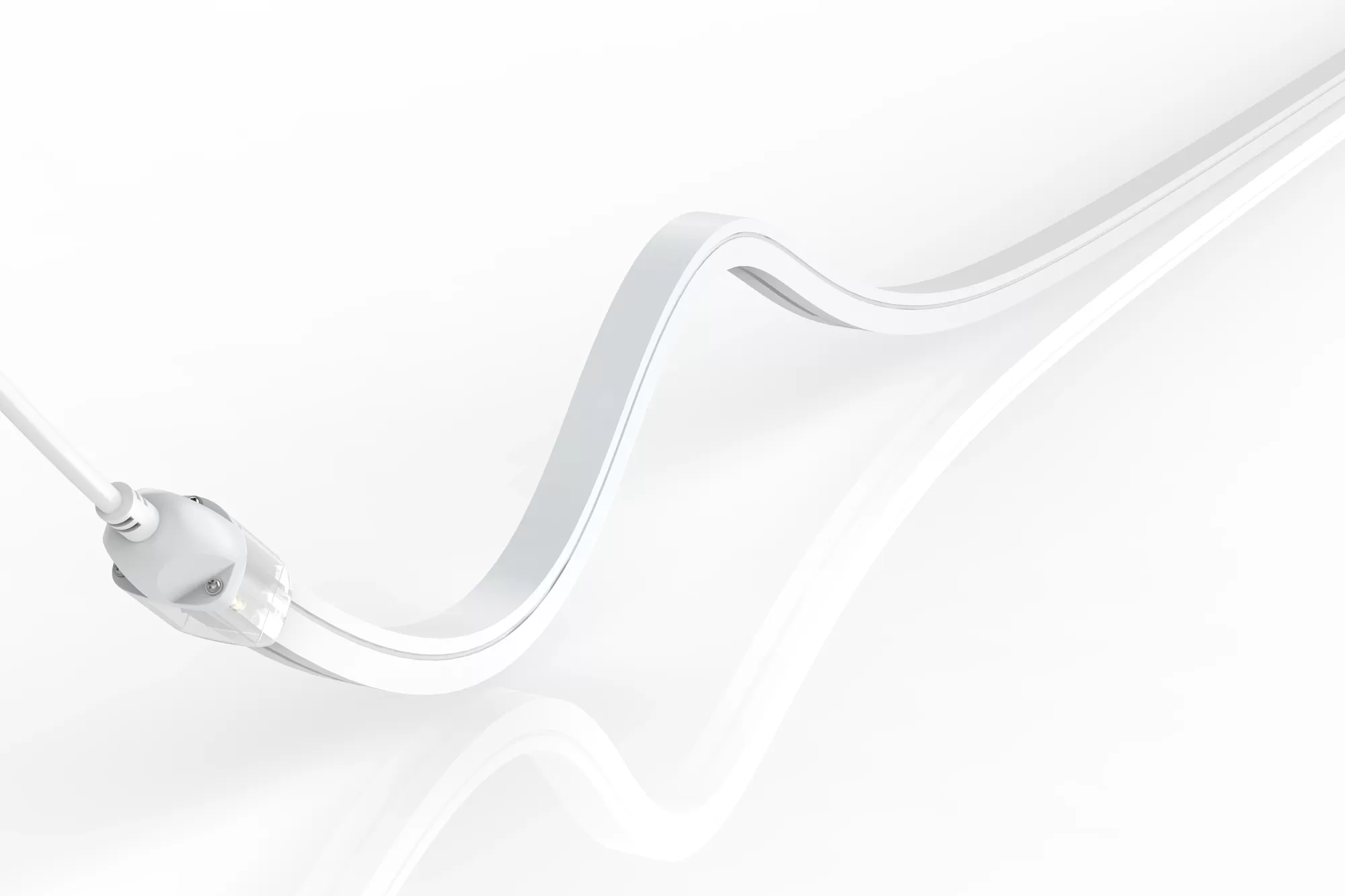
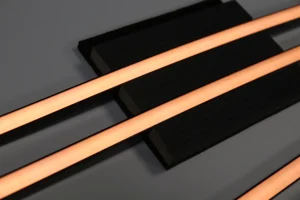
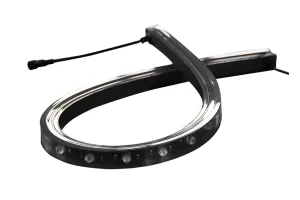
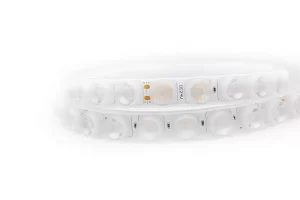
The above is the lighting project for Fujian Fuzhou Lijiu Huayan, which utilizes 30*20mm flexible silicone light strips. These strips feature excellent corrosion resistance, anti-aging properties, high brightness, superior malleability, and outstanding waterproof performance.
III. The Pulse of Urban Night Economies: Lighting Awakens Public Spaces
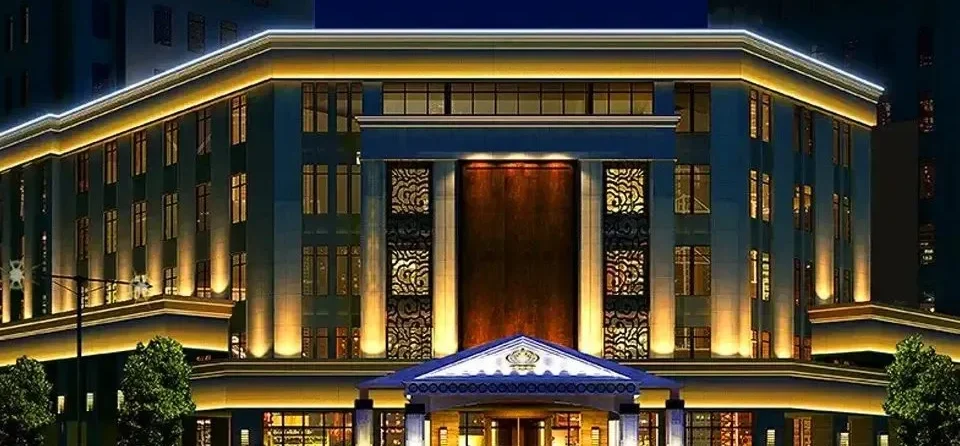
China’s Ministry of Housing notes that landscape lighting boosts nighttime economies by a 1:13 ratio. Neon strips now redefine urban nights. Chongqing’s Hongya Cave, outlined by 110,000 meters of strips, reflects on the river to form an 8D fantasy landscape, attracting 150,000 daily visitors and spurring nighttime commerce. Smart strips also serve public needs: Suzhou’s Jinji Lake trail embeds light-sensitive strips that adjust brightness and display real-time air quality data.
In community renewal, Shanghai’s Yuyuan Road Historic District revives architectural details with hidden strips that illuminate carvings at night, balancing heritage preservation and innovation—a project awarded UNESCO cultural heritage recognition. In Xiong’an New Area, underground utility tunnels integrate navigation strips with emergency guidance, showcasing infrastructure’s human-centric design.
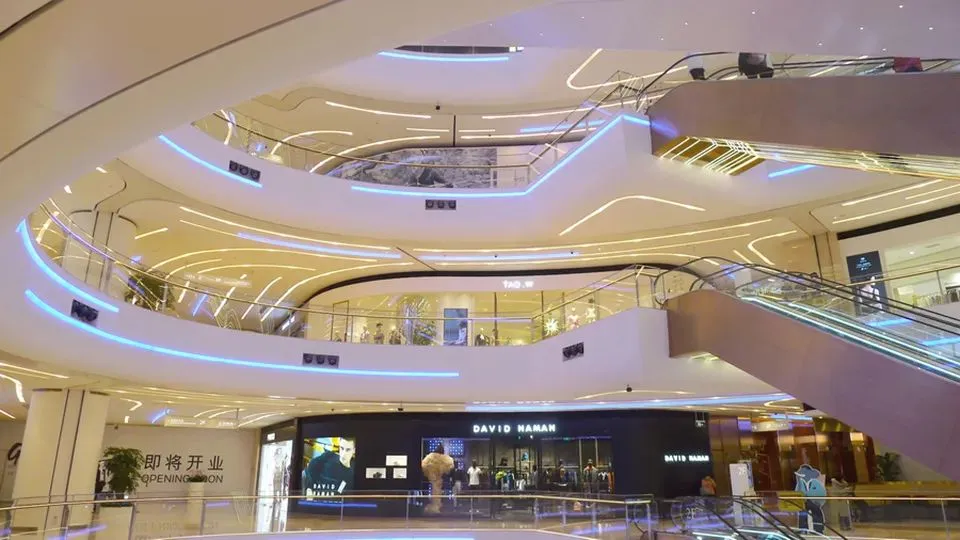
IV. Future Visions: When Light Becomes an IoT Neuron
With 5G and IoT advancements, neon strips transcend physical limits. Huawei’s Li-Fi strips transmit data via light waves, enabling surgery lighting and patient monitoring in EM-sensitive hospitals. At Milan Design Week, self-powered strips with photovoltaic coatings created perpetual light cycles in gallery domes.
More disruptively, metaverse integration is emerging. Microsoft Teams now syncs virtual meeting rooms with physical strips: when a speaker emphasizes key points, ambient lights intensify. Such digital-twin lighting may redefine future workspaces, unifying light languages across real and virtual realms.
Epilogue: The Never-Ending Theater of Light
From Las Vegas casinos to Tokyo’s Shibuya Crossing, from Beijing’s Palace Museum light shows to rural homestays, LED Neon Flex strips script a new global light civilization. They are not just technological feats but embodiments of humanity’s pursuit of beauty. As every beam becomes programmable and spaces gain emotional warmth, we witness the dawn of a “Light as a Service” era. In this age of illuminated possibilities, LED Neon Flex strips will continue rewriting dialogues between humans and spaces—one luminous line at a time.