


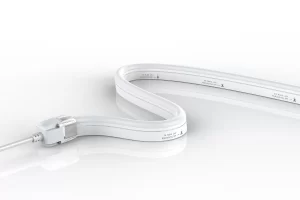
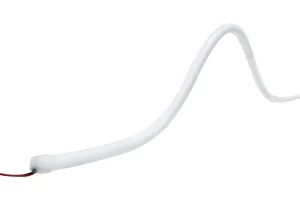

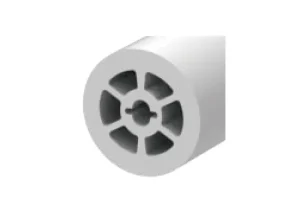
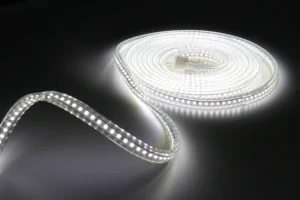


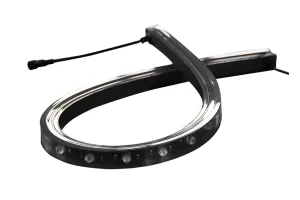
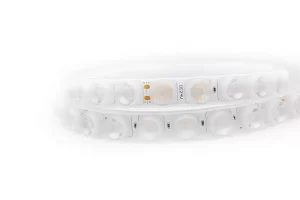
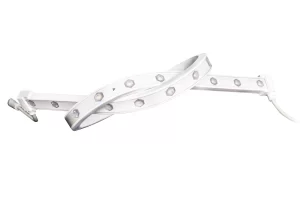
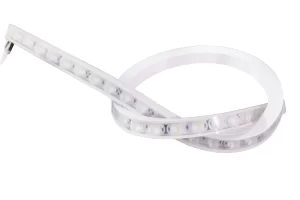
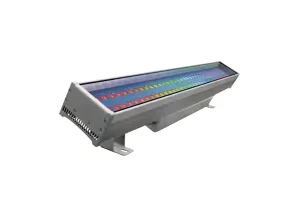
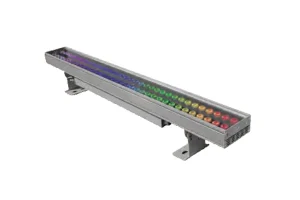
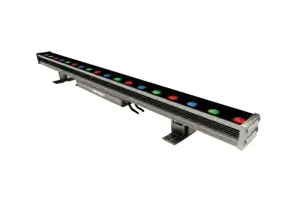
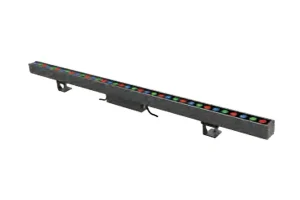




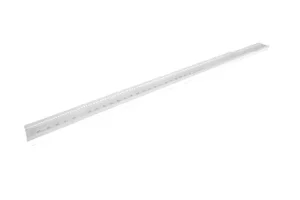
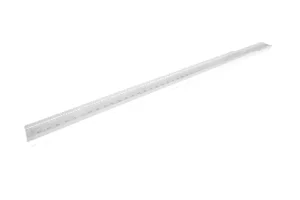
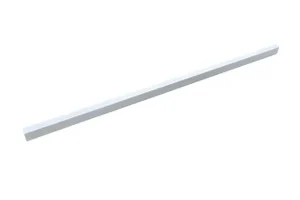
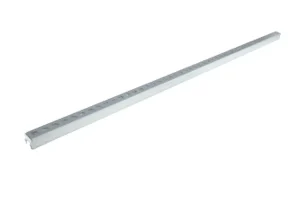








In recent years, motion-sensing LED strip lights have revolutionized staircase design, merging futuristic technology with ambient lighting effects. From dynamic step-by-step illumination to intelligent human-sensing triggers, these LED lighting systems can transform ordinary staircases into stunning focal points. However, our analysis of hundreds of real-world cases reveals that 45% of homeowners underutilize their installations post-setup. As professional LED strip light manufacturers, we emphasize these critical considerations for seamless integration:
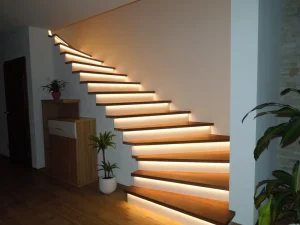
1. Structural Design: Prioritize Maintainability
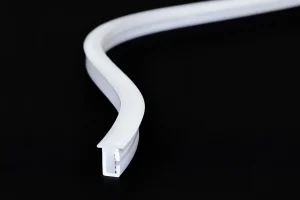
• Detachable LED strip light channels: Pre-embed troughs with 10–12 mm depth (standard strip thickness: 5–8 mm)
• Modular segmentation: Limit runs to ≤2 meters using IP68-rated quick-connect plugs
• Service-friendly layouts: Install access panels every 3 steps on tread sidewalls

2. Smart Control Strategies for LED Strips
• Zoned dimming logic:
-
Master controls at entry/exit points
-
Local switches every 3–4 steps
-
Radar/LiDAR sensors (1.2–1.5m range)
• Anti-nuisance features: -
Dark-hour standby mode (10–50 lux activation)
-
Adaptive delay shutoff (5–60s adjustable)
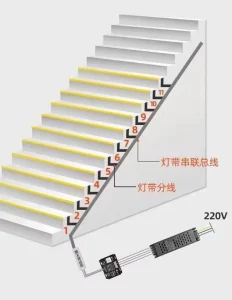
3. LED Strip Light Optical Engineering
• Brightness tuning: 60–80 LEDs/m (0.2W–1.5W per diode)
• Color science:
-
2700–3000K for residential warmth (CRI ≥90)
-
4000K for commercial clarity
• Beam optimization: 120° micro-prism lenses + 3mm opal diffusers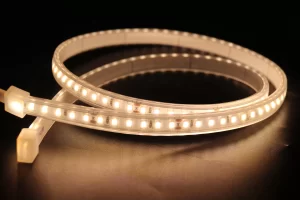
smart led strip light
4. Installation Protocols for LED Longevity
• Heat management:
-
Aluminum channels with 1.5mm+ thickness
-
Thermal pads under high-power (>10W/m) strips
• Power integrity: -
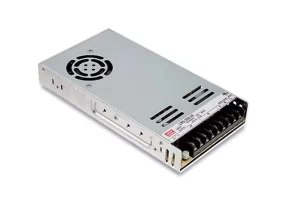
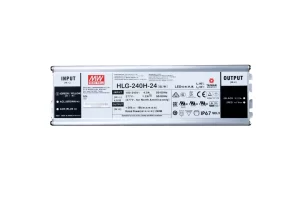
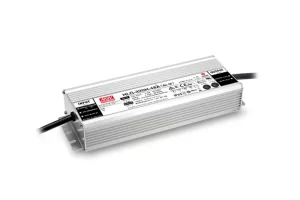
24V DC drivers with ≤3% voltage drop
-
Separate circuits per 5-meter runs
• Environmental hardening: -
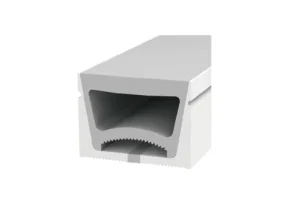
IP65-rated silicone sleeves for edge-lit applications
-
Conformal coating for humid environments
Case Study: A luxury villa’s stone-clad staircase suffered 40% lumen depreciation in 6 months due to improper LED strip light embedding. Retrofitting cooled-channel strips with thermal interface materials reduced annual decay to <5%.
Pro Tip: Combine dual-profile LED strips for premium effects:
-
6–8mm flexible strips (12V) under treads
-
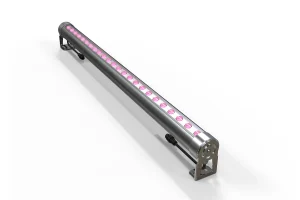
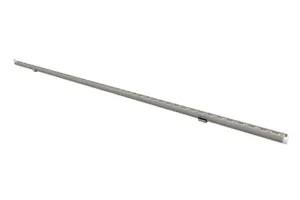
10–15mm rigid bars (24V) for wall grazing
This hybrid approach allows independent control while maintaining <30W total consumption.
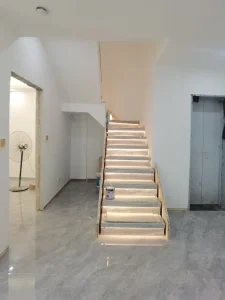
Future-Proofing:
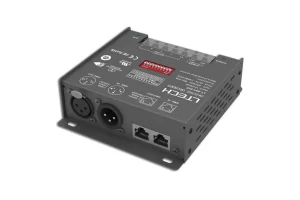
Avoid “set-and-forget” automation. Our tests show hybrid control LED systems (motion + scheduler + manual) reduce false triggers by 60%. Always:
-
Leave spare conductor lines for smart upgrades
-
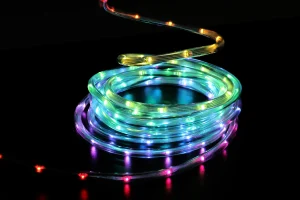
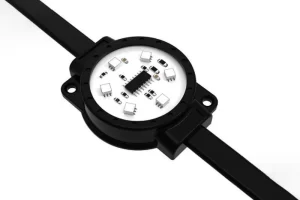
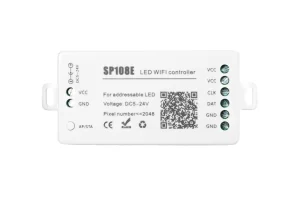
Use addressable LED strips for programmable zones
-
Install DIN-rail panels for easy component swaps


