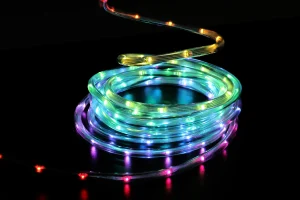


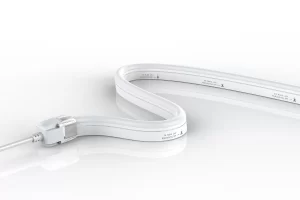
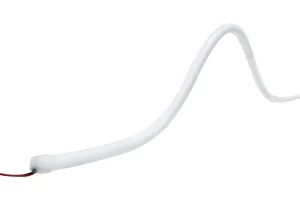

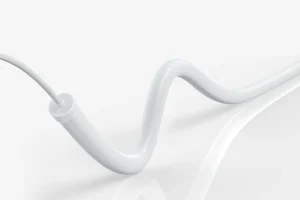


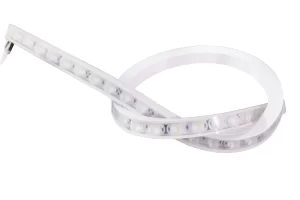
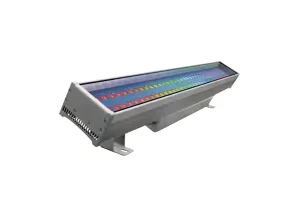
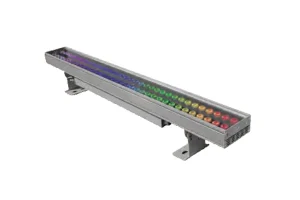
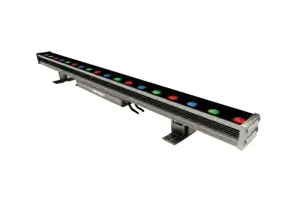
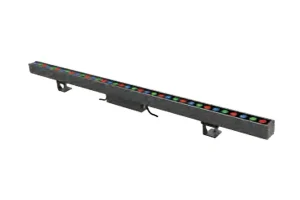


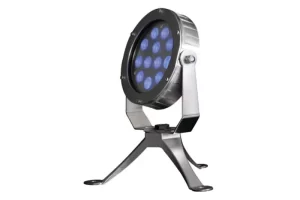
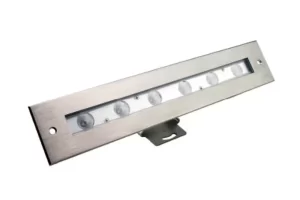
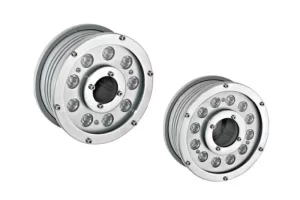


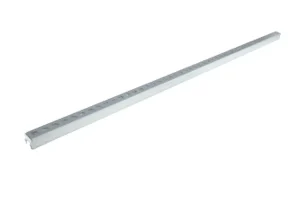
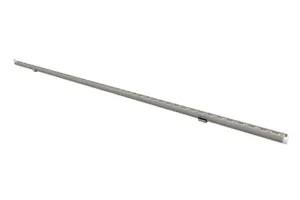








LED light strips have become an essential component in various lighting projects, from home decor to large-scale industrial applications. Choosing the right type of LED light strip is crucial for achieving optimal results in brightness, color, and functionality. To help you navigate through the various options, we’ve classified LED light strips into several key categories:
1. By Voltage
LED light strips are available in different voltage ranges, each with its own unique application:
- 220V High-Voltage Light Strips: These strips operate directly on 220V AC, eliminating the need for an external transformer. They are ideal for large-scale installations where higher power is necessary, such as in outdoor lighting for buildings or streets.
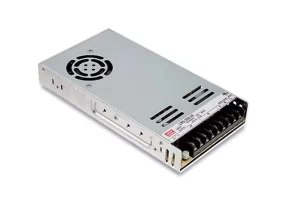
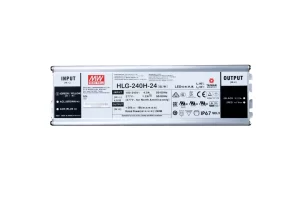
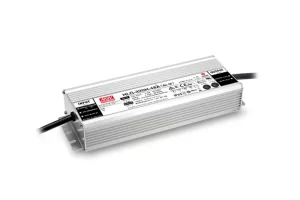
- 12V Low-Voltage Light Strips: Operating on 12V DC, these strips require an external transformer. They are commonly used in smaller, more delicate installations like indoor ambient lighting, cabinet lighting, or automotive lighting, due to their lower energy consumption and safer voltage.
- 24V Low-Voltage Light Strips: Similar to the 12V strips, these also require a transformer but offer the advantage of reduced voltage drop over longer runs. This makes them suitable for medium to large installations, providing stable illumination for extended lengths.
2. By LED Chip Specification
The brightness and efficiency of an LED light strip depend largely on the type of LED chips it uses:
- 5050 Light Strips: These strips feature larger LED chips that provide higher brightness, making them ideal for spaces that require vibrant and intense illumination such as commercial spaces, outdoor facades, or stage lighting.
- 5730 Light Strips: Even larger than the 5050 chips, these are known for their exceptionally high brightness. They are perfect for high-demand applications like warehouse lighting or large-scale displays.
- 3014 Light Strips: These are smaller and more compact, making them suitable for general or ambient lighting where intense brightness is not needed.
- 4040 Light Strips: Offering a balance between size and brightness, 4040 chips are versatile and can be used in both decorative and functional lighting setups.
3. By Color Temperature
The color temperature of an LED light strip determines the mood and feel of a space:
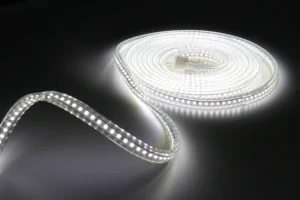
- White Light: Available in various tones including cool white, neutral white, and warm white, white light strips are widely used for general illumination, especially in modern interiors.
- Warm Light (around 2700K): Ideal for creating a cozy, intimate atmosphere, commonly used in living rooms, restaurants, or hospitality settings.
- Neutral Light (around 4000K): Offers a balanced tone that resembles natural daylight. It’s perfect for task lighting in areas like kitchens, offices, or workspaces.
- Cool Light (6000K and above): This light gives off a crisp, bluish hue, suitable for enhancing concentration and visibility in spaces like offices, hospitals, or industrial facilities.
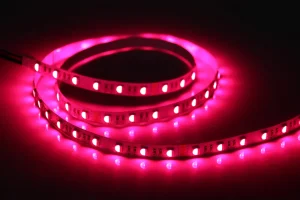
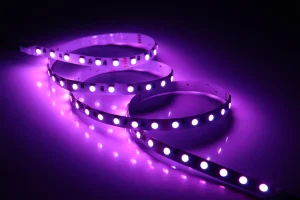
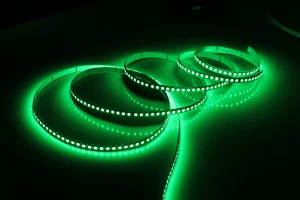
- Special Colors: Strips are also available in various colors like blue, purple, green, and pink, catering to creative lighting designs in entertainment venues, clubs, or themed installations.
4. By Functionality
LED light strips vary greatly in functionality, allowing for different levels of customization:
- Single Color: These strips emit one specific color, making them simple and cost-effective for applications like under-cabinet lighting, pathway illumination, or accent lighting.
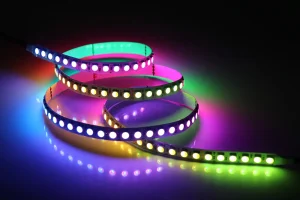
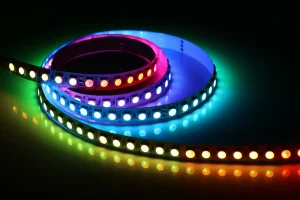
- Tri-Color: Featuring red, green, and blue LEDs, these strips allow for basic color mixing to create various shades, often used in dynamic lighting setups for events, displays, or signage.
- Four-Color: In addition to RGB, these strips add a white LED, which enhances the range of colors and creates more natural lighting effects.
- Six-Color: With an extended color palette, these strips are ideal for advanced lighting applications that require intricate color transitions and effects.
- Seven-Color Changing: These strips can cycle through seven distinct colors, offering dynamic lighting effects often used in entertainment or architectural projects.
5. By Brightness Enhancement
Depending on the intensity of light needed, LED light strips come in different configurations:
- Single Row: Standard brightness with LEDs placed in a single row, suitable for general decorative purposes.
- Double Row: With two rows of LEDs, these strips provide increased brightness, perfect for environments that require more intense light such as retail spaces or commercial displays.
- Triple Row: The highest level of brightness, with three rows of LEDs, designed for applications like stadiums, large-scale architectural projects, or warehouses.
6. By Usage Scenario
Different environments and projects require different levels of durability and brightness:
- Engineering Grade: Designed for heavy-duty, commercial, or industrial use, these strips offer robust construction and high power output for demanding environments like factory floors, shopping malls, or large outdoor installations.
- Home Use: These are typically more flexible and user-friendly, suited for residential lighting, such as under-cabinet illumination, living room ambiance, or bedroom decor.
7. By Product Features
Special features can enhance the adaptability and installation ease of LED light strips:
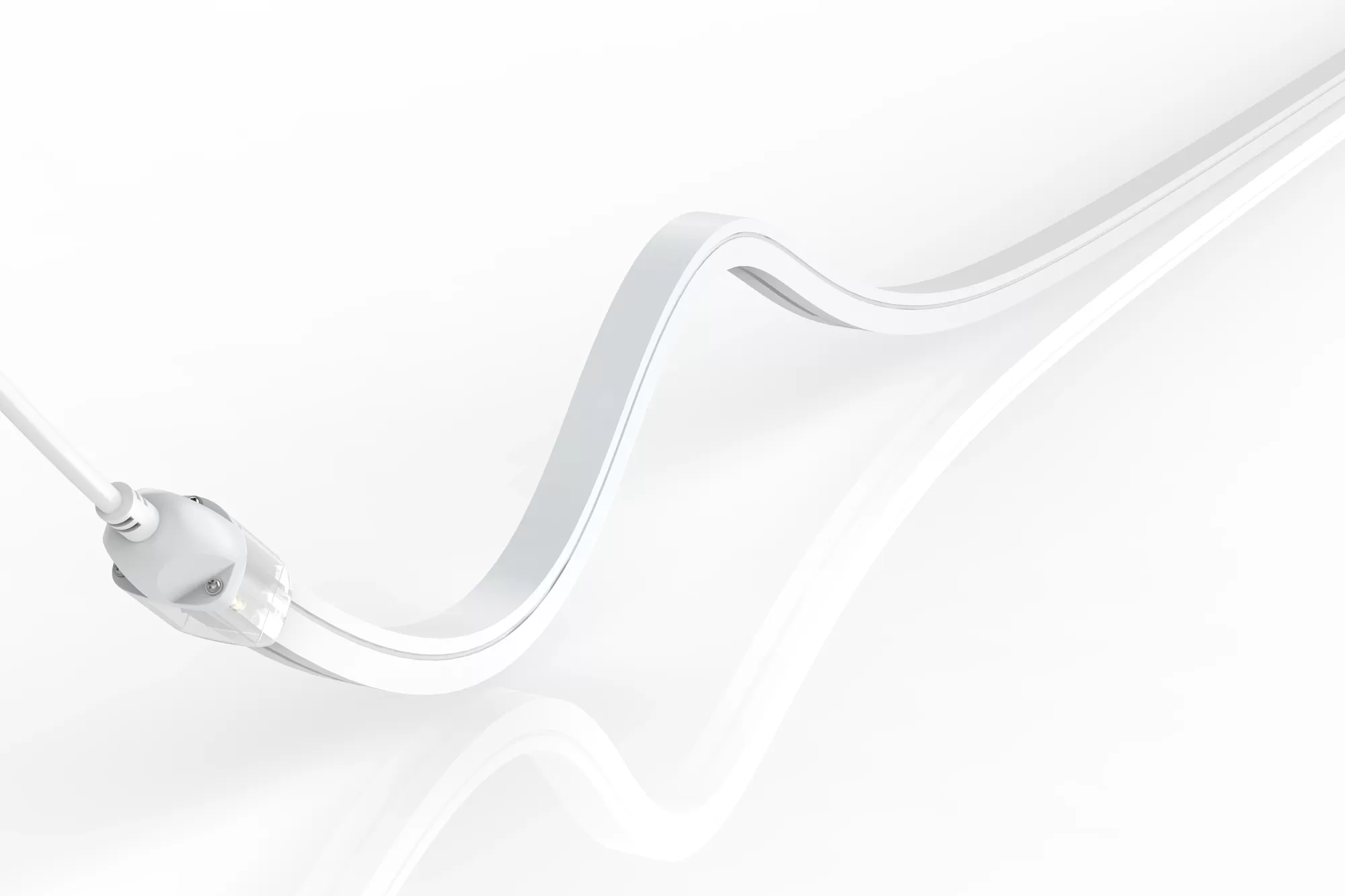
- Flexible LED Light Strips: These strips can bend to fit around corners and into irregular spaces, making them highly versatile for decorative or architectural lighting.
- Non-Wired LED Light Strips: Sometimes referred to as “wireless,” these strips use contact points for connection, making them easier to install in hard-to-reach areas or for DIY projects.
8. By Appearance
The physical design of LED strips can influence their aesthetic appeal and performance:
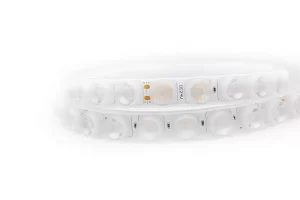
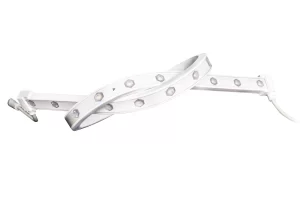
- White Board with White Glue: These strips have a clean, sleek look, making them ideal for visible installations where appearance matters.
- Yellow Line with Yellow Board: Often used in specific applications where this aesthetic or functionality is preferred.
9. By Cost-Saving Materials
The choice of materials can greatly impact both the cost and performance of LED light strips:
- Copper Wires: Known for their excellent conductivity, copper is the standard choice in high-quality LED strips.
- Alloy Wires: To reduce costs without sacrificing too much in performance, alloy wires are used, offering a balance between affordability and functionality.
10. By Production Process
The manufacturing process determines the durability and resilience of LED light strips:
- Bare Board: The most basic type of strip, offering no additional protective coating. While cost-effective, they are less durable and suitable for indoor applications.
- Encapsulated with Glue: These strips are coated in glue for added protection against moisture and dust, making them suitable for outdoor or harsh environments.
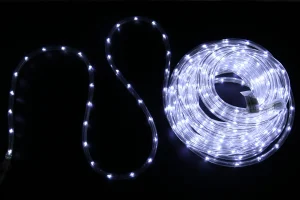
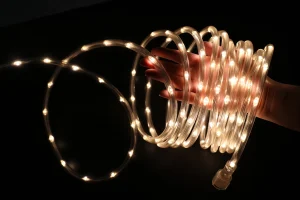
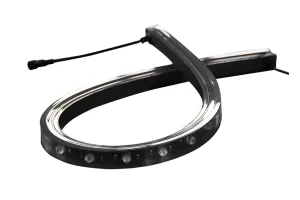
- Tubular Coating: A more advanced protective layer that extends the life of the LED strip, ideal for long-term installations exposed to the elements.
Conclusion
Understanding the various classifications of LED light strips can help you select the right product for your project, ensuring optimal performance, durability, and aesthetic appeal. Whether you’re looking to brighten up your home, enhance a commercial space, or embark on a large-scale industrial project, choosing the right LED strip will make all the difference.