
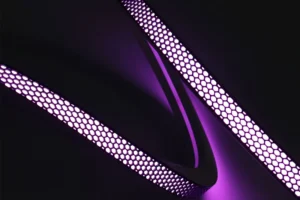

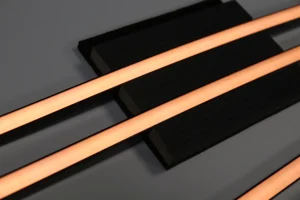
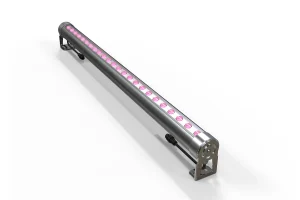
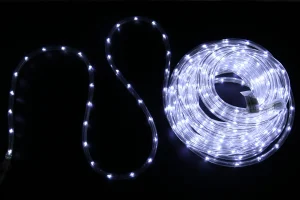
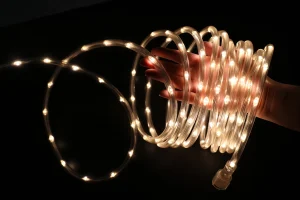
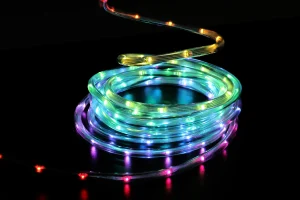




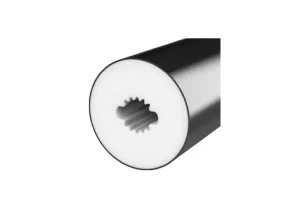
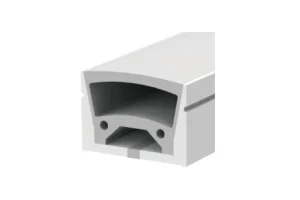
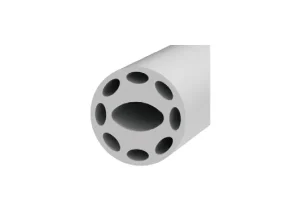
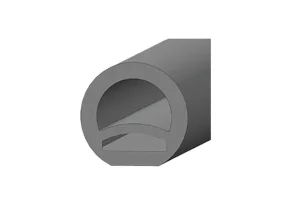


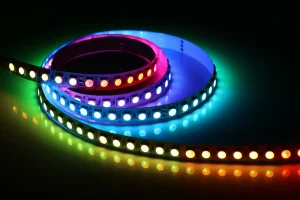
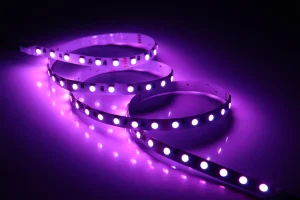













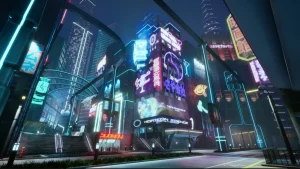
As night falls and city lights illuminate, the vibrant and colorful neon lights adorn the urban landscape with extraordinary beauty. In the modern urbanite’s perception of style, scenery and light harmonize like a melody. The interplay of light intensity, natural environments, and spatial design—concealed or revealed, restrained or amplified—embodies the essence of traditional Eastern culture. This balance reflects a dialectical relationship between humanistic values and technological progress, creating dynamic, ever-changing nocturnal vistas as one moves through the space.
History of Neon Light Development
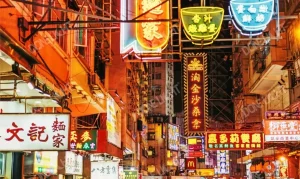
The term “neon light” is derived from the English “neon lamp,” with “霓虹” (ní hóng) serving as the phonetic translation of “NEON.” Today, “neon light” has evolved into a standalone concept.
The origins of neon lights trace back to the research on gas discharge by British physicist and chemist Michael Faraday between 1831 and 1835. Faraday discovered that electric currents passing through gases produced luminescence, a phenomenon known as glow discharge. His theoretical and experimental breakthroughs laid the foundation for neon light technology.
In June 1898, British chemist Sir William Ramsay serendipitously observed during an experiment that a vacuum tube filled with a rare gas not only conducted electricity but also emitted a striking red glow. Ramsay named this electrically conductive, radiant gas “neon.”
Neon lights originated in France. Early versions used glass tubes 45 millimeters in diameter, bent into desired shapes or text, and powered by transformers exceeding 10,000 volts. Electrodes were crafted from graphite, and the tubes were filled with nitrogen (emitting red light) or carbon dioxide (emitting white light). However, these early neon lights suffered from short lifespans, complex production processes, and high costs, limiting their widespread adoption.
Between 1907 and 1910, scientists Georges Claude and Carl von Linde developed liquid air fractional distillation. This innovation allowed inert gases to be infused into neon tubes, significantly slowing gas consumption and enabling a broader color spectrum—red, green, blue, and yellow.
On the eve of World War II, photoluminescent materials, or phosphors, were invented. When applied to neon lights, these phosphors enhanced brightness, enriched colors, and simplified manufacturing. Post-war, neon technology experienced rapid global expansion.
Neon Light Manufacturing Process
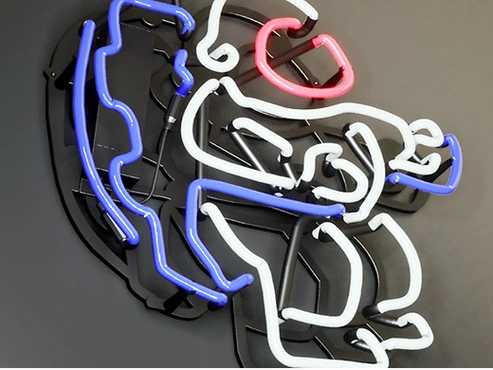
Early neon lights, whether clear, coated, or colored tubes, followed similar production steps: glass tube shaping, electrode sealing, degassing via bombardment, inert gas filling, and aging.
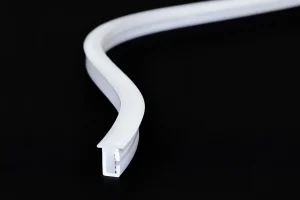
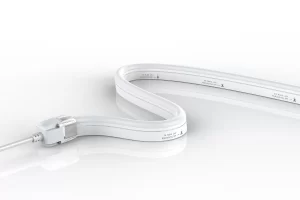
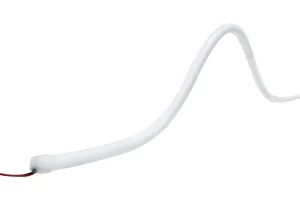
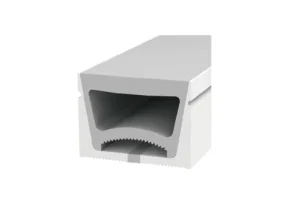
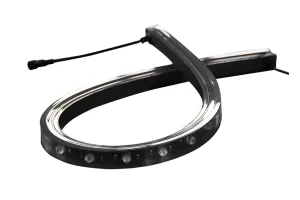
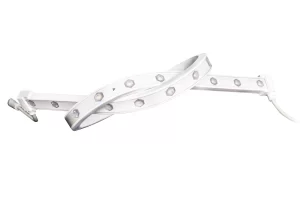
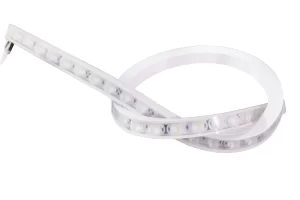
In today’s advanced technological landscape, traditional glass neon lights are increasingly replaced by multicolor LED alternatives, such as LED silicone neon lights. Silicone neon lights, a revolutionary LED product, address the limitations of glass neon lights. They offer flexibility, ease of use, and durability, earning acclaim from professionals and consumers alike.
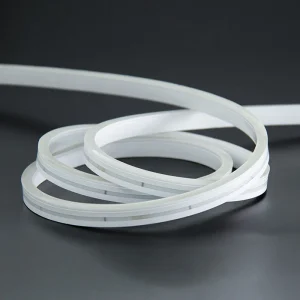
The Rise of LED Neon Lights
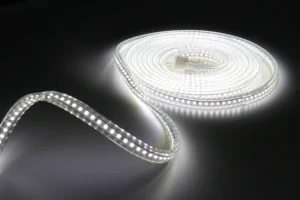
LED neon lights represent a transformative leap in lighting technology. By integrating light-emitting diodes (LEDs) into flexible silicone tubes, these modern iterations combine energy efficiency with artistic versatility. Unlike traditional neon tubes reliant on gas discharge, LED neon lights operate at low voltages, consuming up to 70% less energy while maintaining brilliant luminosity.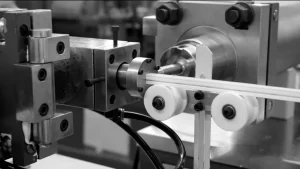
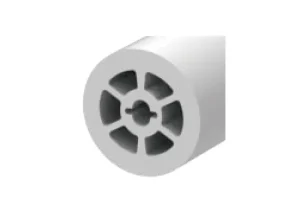
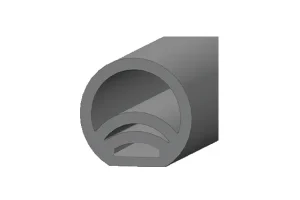
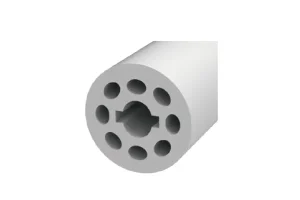
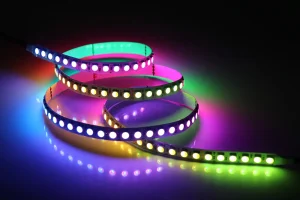
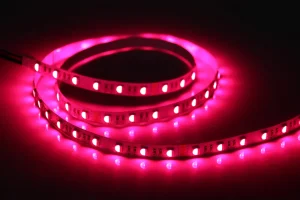
The manufacturing process involves co-extruding LEDs with high-grade silicone, resulting in a seamless, bendable strip that mimics the glow of classic neon. This design eliminates fragile glass components and hazardous gases, making LED neon lights safer for indoor and outdoor applications. Additionally, advanced RGB LEDs enable millions of color combinations, dynamic lighting effects, and programmable sequences—features unattainable with conventional neon.
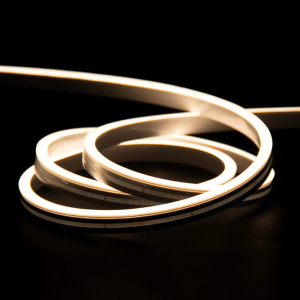


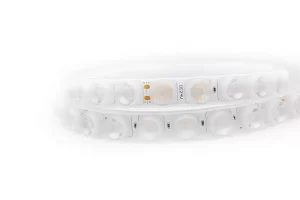
Take Wilgex’s LED neon lights as an example: Their silicone outer layer is produced by combusting silicon tetrachloride with air, resulting in a material with high mesh number, fine particles, and resistance to acids, alkalis, corrosion, and UV rays. Integrated with aesthetic design principles, the product achieves a visually pleasing, soft glow free of hotspots, thanks to proprietary silicone formulations and stringent technical standards.
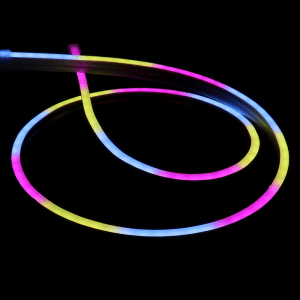
LED neon lights have revolutionized industries from architecture to retail, offering lightweight installation, weatherproof durability, and lifespans exceeding 50,000 hours. Whether illuminating storefronts, enhancing stage designs, or adding flair to home décor, they embody the perfect fusion of tradition and innovation—breathing new life into the legacy of neon.


