




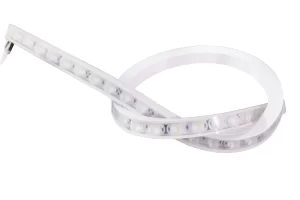
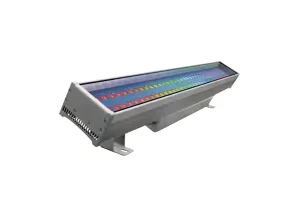
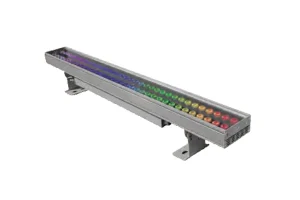
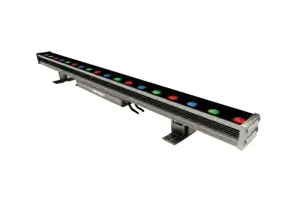
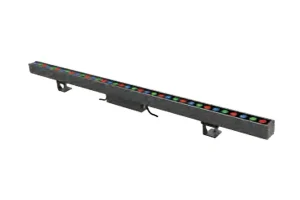


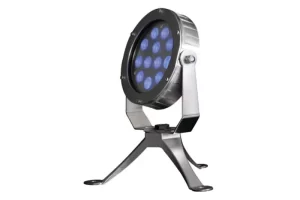
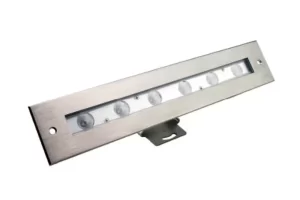
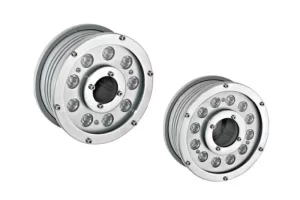


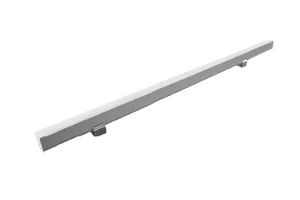
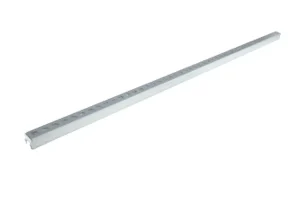
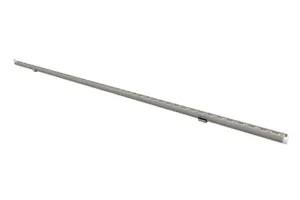


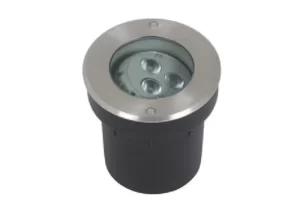


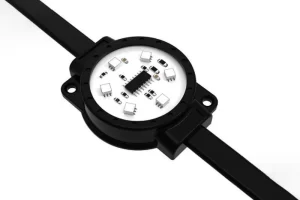




Choosing between high-voltage and low-voltage LED light strips is critical for ensuring the success of your lighting project. Each type offers unique advantages and is suited to specific applications based on factors like voltage requirements, safety, brightness, and installation complexity. Below, we’ll dive into these key differences to help you make an informed decision.
1. Voltage Requirements
The most fundamental difference lies in the operating voltage of these two types of light strips:
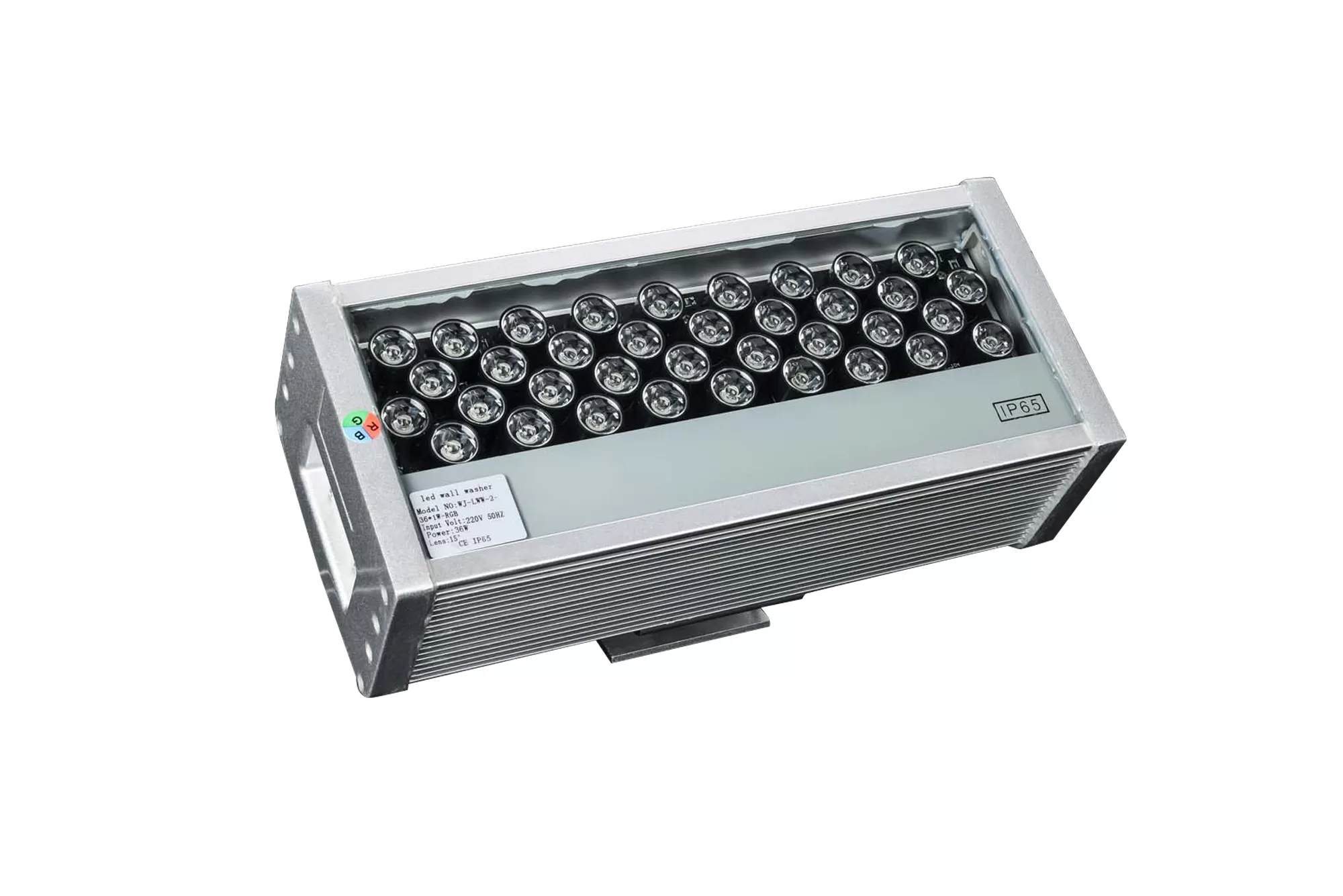
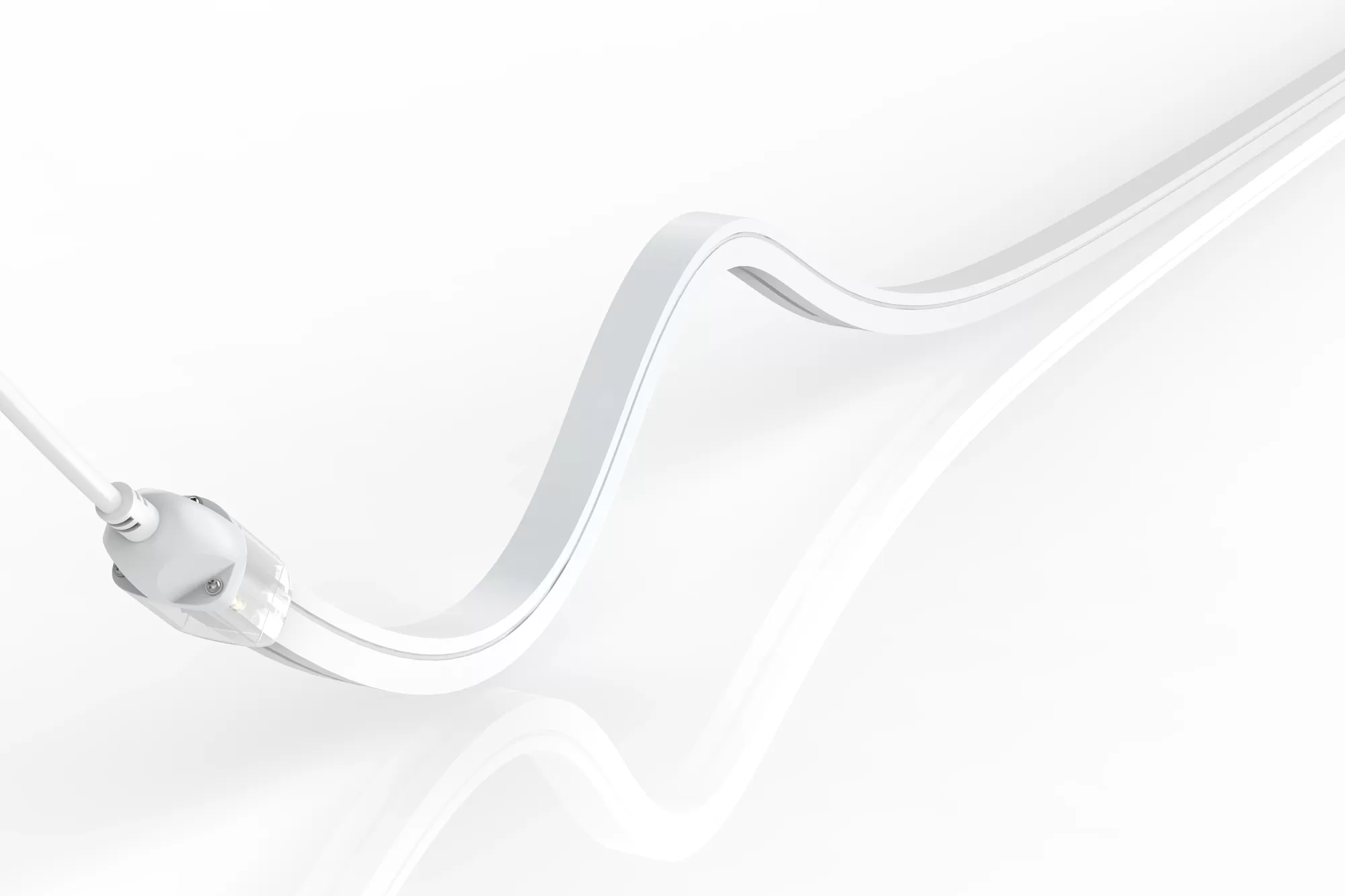
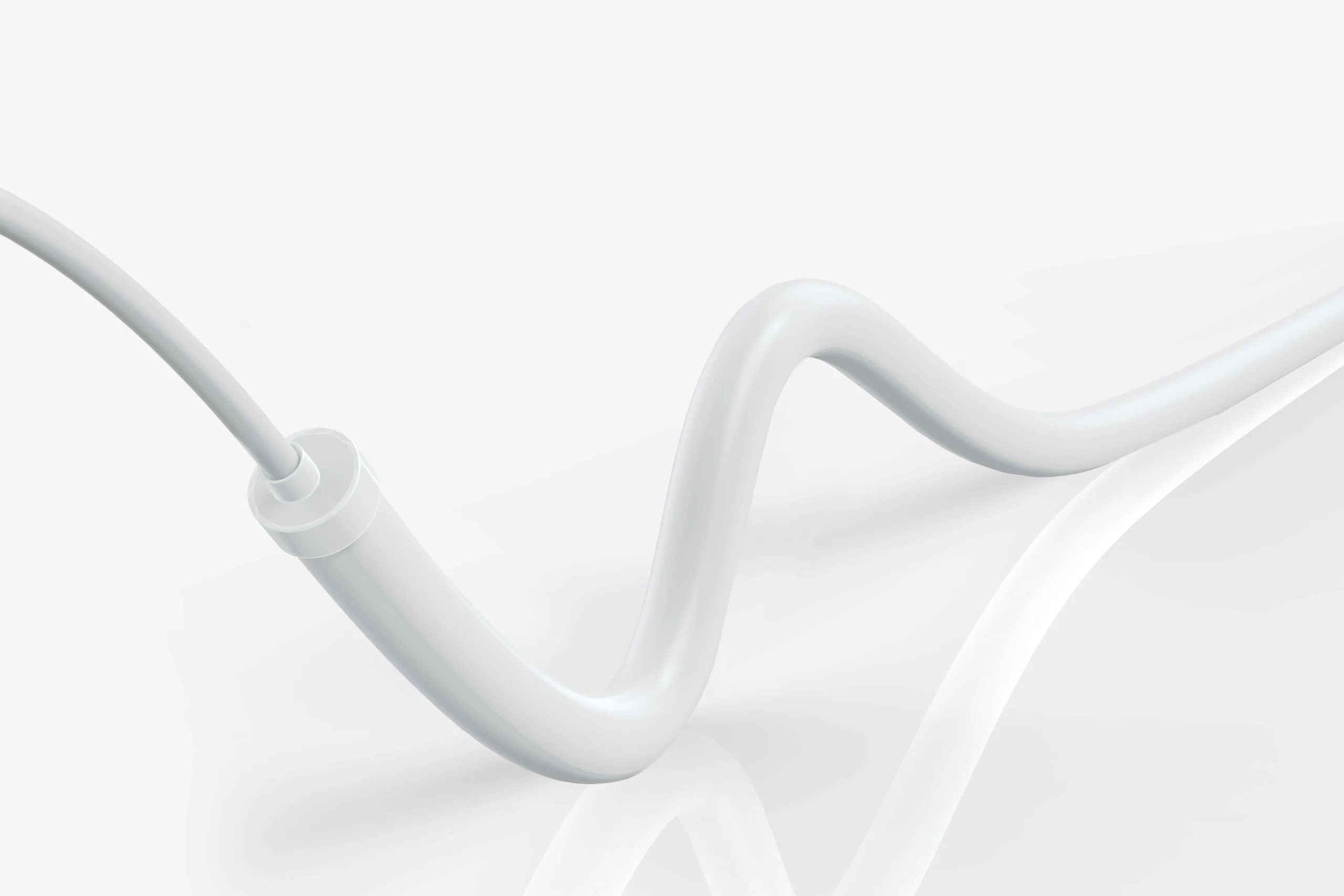
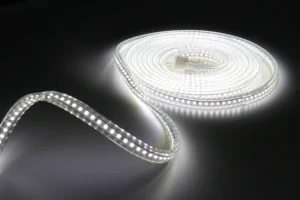
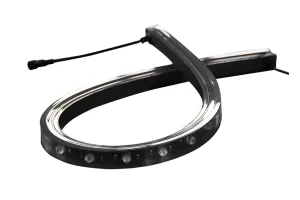
- High-Voltage LED Light Strips: These typically operate on 220V AC (or higher, depending on the region). Unlike low-voltage systems, high-voltage LED strips do not require an external transformer or power adapter. Instead, the light strip’s internal driver circuitry directly manages the higher voltage. This makes high-voltage LED strips convenient for larger installations where integrating a transformer would be cumbersome.Use Case: Outdoor architectural lighting for buildings or street installations, where large stretches of lighting are required without interruptions from transformers.
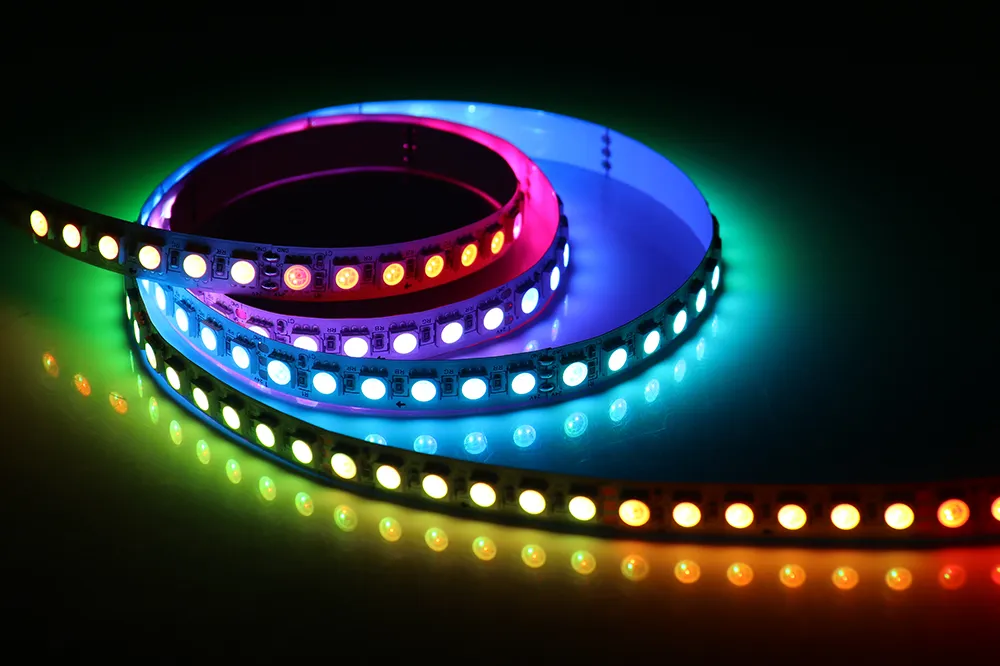
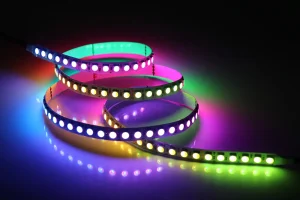
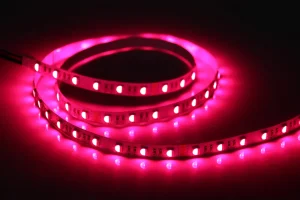
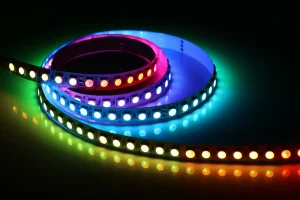
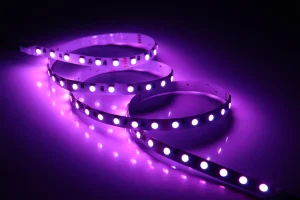
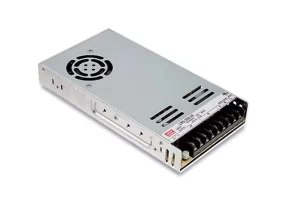
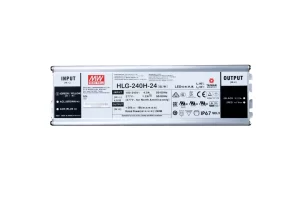
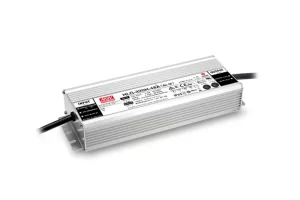
- Low-Voltage LED Light Strips: Available in 12V or 24V DC, low-voltage strips require a transformer to convert the standard 220V AC power supply to the appropriate low-voltage DC output. Although this adds a step to the installation process, it allows for safer handling and more flexible usage in residential and indoor settings.Use Case: Accent lighting under cabinets, within coves, or for automotive lighting, where low voltage is safer and easier to manage.
2. Safety
Safety is a major consideration, especially when it comes to handling and installation:
- High-Voltage LED Light Strips: Operating directly on high voltage, these strips pose a higher risk of electric shock if improperly handled or installed. Electrical insulation and proper connections are critical to avoid safety hazards. Given the higher power, such systems often require professional installation, especially in outdoor or commercial environments.Risk Factors: Outdoor installations exposed to moisture or where long-distance wiring is required, making insulation a priority.
- Low-Voltage LED Light Strips: These strips operate on much safer 12V or 24V DC, which dramatically reduces the risk of electric shock during installation or use. This makes low-voltage light strips a preferred choice for residential spaces, especially in areas where safety is a concern, such as children’s rooms or DIY projects.Benefit: Lower risk means these strips are ideal for novice installers and are commonly used in household lighting projects.
3. Power and Brightness
The power output and brightness of LED light strips vary significantly between high-voltage and low-voltage options:
- High-Voltage LED Light Strips: With higher power capacity, high-voltage strips can generate more intense brightness, making them the go-to solution for large-scale or high-demand lighting applications. They are especially useful for projects that require a longer range of continuous light, such as exterior building lighting or signage where visibility from a distance is essential.Example: Commercial signage and advertising boards where bright, powerful lighting is crucial for catching attention.
- Low-Voltage LED Light Strips: Low-voltage strips typically offer a softer, less intense light compared to their high-voltage counterparts. This makes them more suited for ambient or decorative lighting where mood and aesthetic are more important than sheer brightness.Example: Decorative lighting for homes, restaurants, or retail spaces where softer, warmer lighting enhances the atmosphere.
4. Installation and Maintenance
The complexity of installation and maintenance varies significantly between the two types:
- High-Voltage LED Light Strips: Installing high-voltage strips can be more complex due to the higher risks associated with working with AC power. Special attention must be given to electrical insulation, moisture protection, and ensuring secure connections. Additionally, maintenance and repairs can be more challenging because of the danger involved in handling high-voltage circuits.Consideration: Professional installation is often recommended to ensure compliance with safety standards, particularly for outdoor or commercial applications.
- Low-Voltage LED Light Strips: Installation is generally simpler with low-voltage strips. Handling transformers and low-voltage wiring is easier and safer, which reduces the risk of errors during installation. Moreover, if maintenance is required, low-voltage strips can be easily handled or replaced without significant risk.Ease of Use: Ideal for DIY projects or residential users who may not have specialized electrical knowledge.
5. Suitable Environments
Both high-voltage and low-voltage LED strips are designed for specific environments:
- High-Voltage LED Light Strips: Their high brightness and longer illumination range make them perfect for large outdoor areas, commercial applications, or industrial settings. They are commonly used for lighting building facades, parking lots, or large-scale outdoor events where strong, reliable lighting is required.Recommendation: Use in applications where long continuous runs of lighting are necessary without frequent breaks for power adapters.
- Low-Voltage LED Light Strips: These strips are better suited for indoor applications or small-area lighting due to their lower power consumption and softer light output. Their safer operation makes them a popular choice for interior design, accent lighting, or smaller, more intimate environments.Recommendation: Ideal for indoor decor, retail display lighting, or artistic installations where flexibility and aesthetic appeal are priorities.
6. Conclusion
In summary, the decision between high-voltage and low-voltage LED light strips hinges on your specific needs:
- For large-scale, high-brightness outdoor installations, high-voltage LED strips are the best choice due to their superior power output and longer reach.
- For indoor, decorative, or small-scale applications, low-voltage LED strips offer enhanced safety, easier installation, and a more delicate light suitable for creating ambiance.
By understanding these differences and considering your project’s unique requirements, you can choose the best solution to achieve the desired lighting effect while ensuring safety and efficiency.