








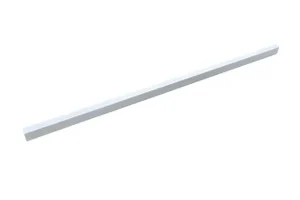
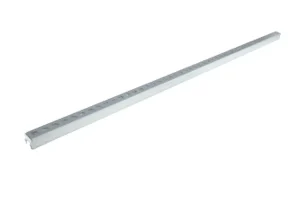
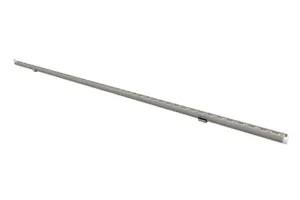








In project procurement, lighting design, and landscape lighting, the two most frequently compared LED strip types are LED Neon Light Strips and bare board LED strips. Many people struggle with the choice: high-end soft light or budget control? Which type should be used for hotel ceilings, building outlines, and furniture recessed lighting? Choosing the wrong one can lead to poor results or even rework.
Wilgex, an 18-year veteran in linear lighting, specializes in innovative technologies and is a National High-Tech Enterprise. This article breaks down the characteristics of both, providing precise advice to help you choose the right one, save money, and avoid rework.
Basic Understanding: First, understand what neon LED strips and bare board LED strips are.
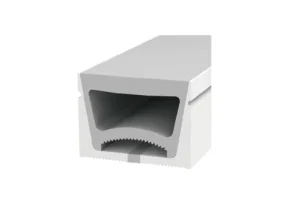
1.1 LED Neon LED Strips: Seamless Linear Light Engineering Strips Extruded from Integrated Silicone
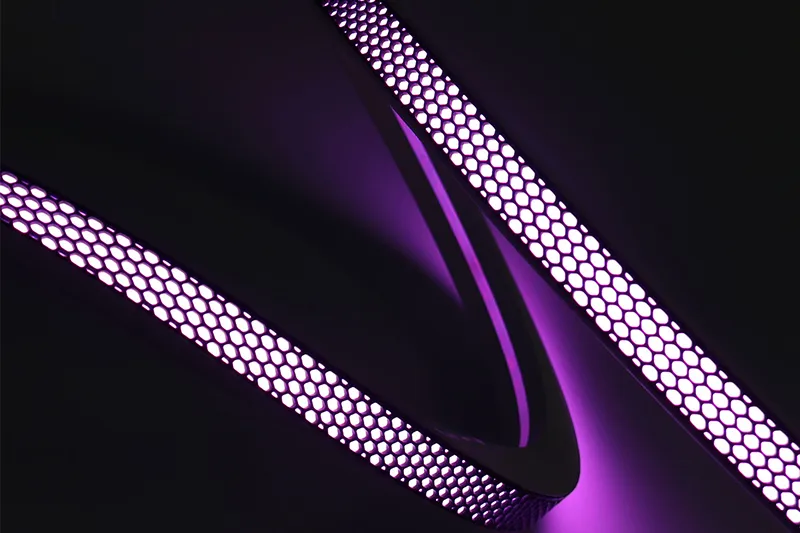
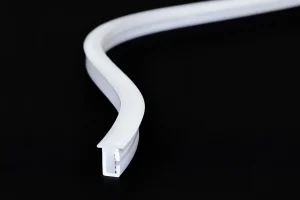
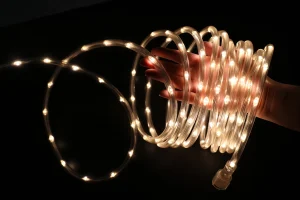
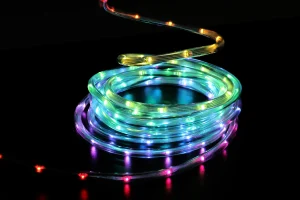
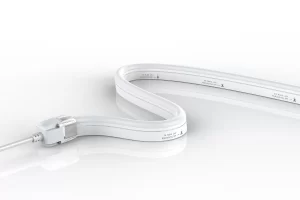
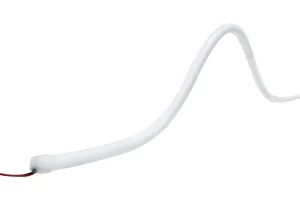
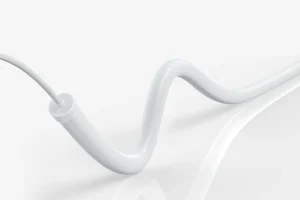
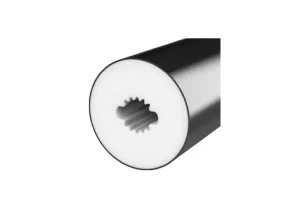
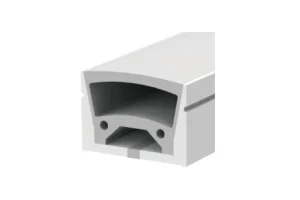
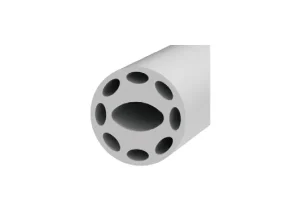
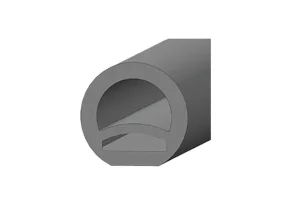
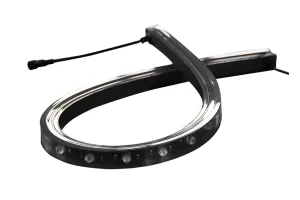
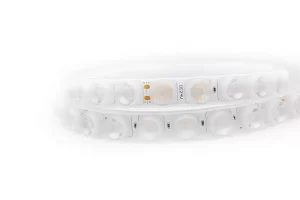
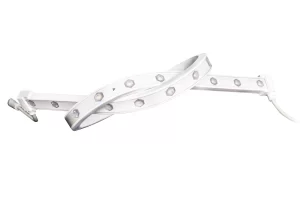
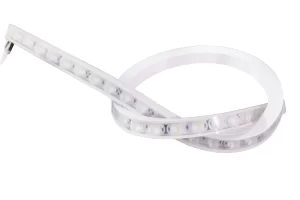
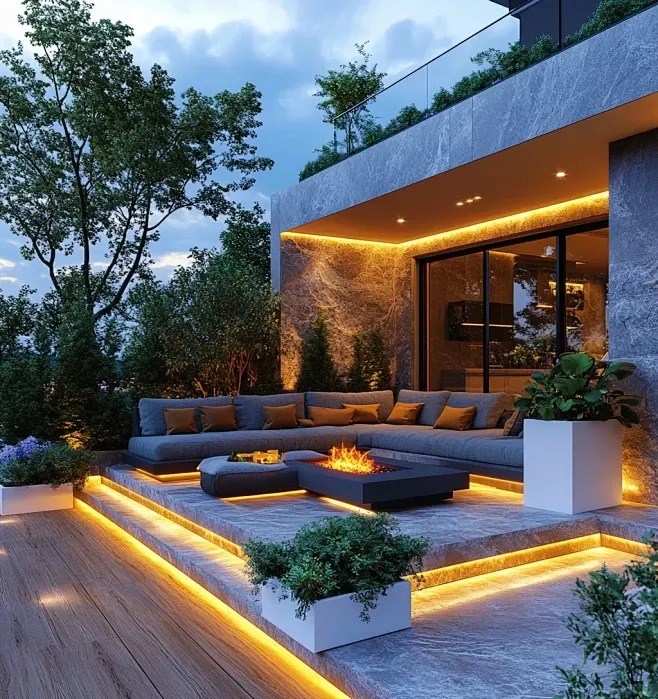
LED neon LED strips (flexible neon LED strips) are high-end engineering strips made by using bare board LED strips as the light source, inserting them into industrial-grade vapor phase silicone/PVC tubing, and then extruding them in one piece. Key features: Continuous, uninterrupted light emission; soft, uniform light; invisible light source; silicone sleeve naturally diffuses glare, eliminating “grainy” lighting at its source and achieving high-quality linear lighting effects. This outdoor lighting strip is highly durable, UV-resistant, anti-yellowing, and has a high waterproof rating (IP65/IP67/IP68), suitable for demanding scenarios such as irregular building outlines, outdoor lighting projects, and high-end indoor linear light designs.
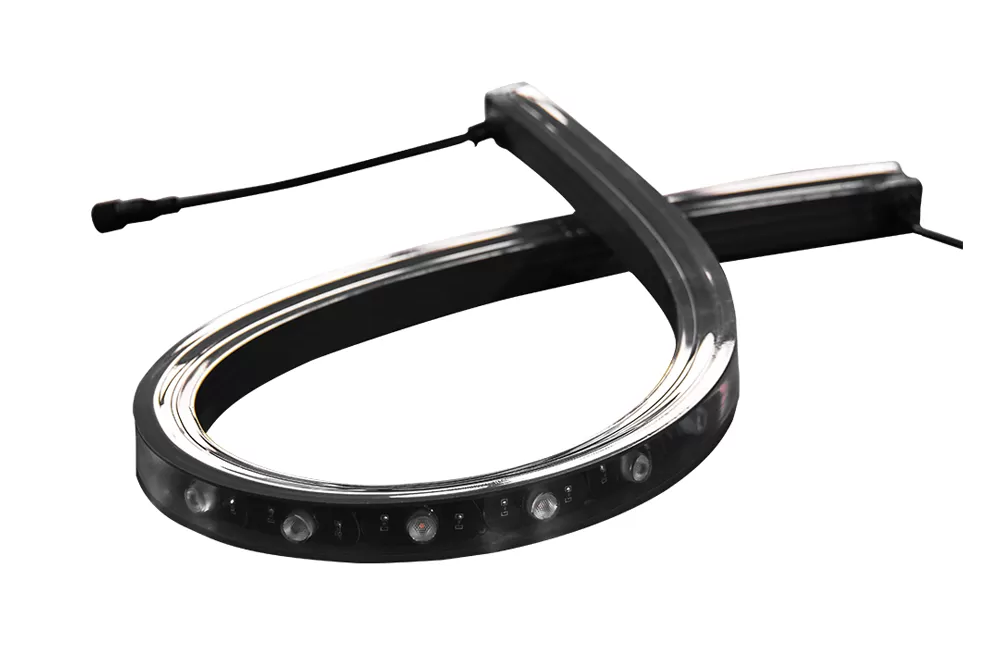
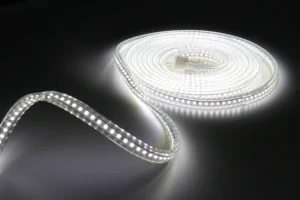
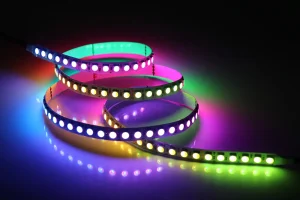
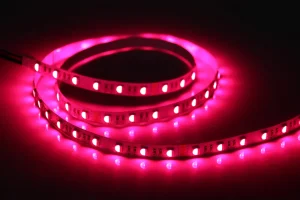
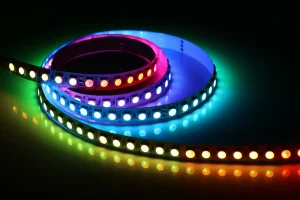
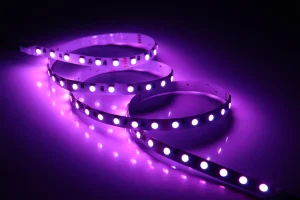
1.2 Bare Board Light Strip: Mature and Efficient “Universal” Mainstream LED Light Strip Bare board light strips are basic engineering light strips where LED chips and resistors are directly mounted on a PCB board. As a universal mainstream light strip in the lighting engineering market, it boasts high luminous efficiency, mature technology, rich specifications, low cost, good heat dissipation, and flexible cutting (one strip per LED). Bare panel LED strips are suitable for large-area concealed lighting, indoor ceiling recesses, cabinet and shoe cabinet lighting, basic lighting for large shopping malls, and short-term temporary displays.
Core Dimension Comparison: Focusing on Luminous Efficacy, Environmental Weather Resistance, and Installation Costs
2.1 Core Dimension One: Light Quality and Luminous Uniformity – Soft Neon Light, Versatile Bare Panels
Luminous uniformity is the most direct basis for B-end LED strip procurement and designer selection, directly determining the visual delivery effect of lighting projects:
- LED Neon LED Strips: Continuous light emission without shadows, presenting soft linear light at close range (indoor display cases, low fences), glare-free, and with a strong sense of sophistication, suitable for high-end interior design, surface-mounted linear lights, and outdoor sign lighting.
- Bare Board LED Strips: The LEDs are independently distributed, and exposed installation can easily result in jagged light spots. They require deep, dark recesses for concealment, an aluminum diffuser, or sufficient mixing distance to achieve uniform light efficiency. Suitable for concealed lighting and large-area projects.
2.2 Core Dimension Two: Environmental Weather Resistance and Waterproof Rating (IP Rating)
- LED Neon LED Strips: Ordinary LED strips yellow, become brittle, and are prone to water damage after a short time in outdoor lighting applications. LED neon LED strips are completely different: protection ratings start at IP65, with a maximum of IP68, providing industrial-grade waterproofing. They are also UV resistant, acid and alkali resistant, and resistant to high and low temperatures, remaining stable even after long-term exposure to sunlight. For demanding scenarios such as outdoor lighting projects, landscape lighting, coastal lighting, and water feature lighting, neon LED strips are the most reliable waterproof LED strip choice.
- Bare Board LED Strips: The limitations of bare board LED strips are obvious: protection rating is IP20, not waterproof. In humid, salt spray, and direct sunlight environments, they are prone to oxidation, cracking, short circuits, and dead LEDs. Applicable scenarios are limited to dry indoor environments, short-term lighting projects, and areas free from rain and sun exposure. It is not recommended for outdoor lighting or high-humidity scenarios.
2.3 Supplementary Dimensions: Cost, Heat Dissipation, Lifespan, and Cutting Ease
Cost Comparison: Cost is an unavoidable consideration for many lighting projects. Neon light strips, due to their complex manufacturing process and high material requirements, are 30%–50% more expensive than bare board light strips for the same power. Bare board light strips prioritize cost-effectiveness and are more affordable, making them particularly suitable for large-scale projects or lighting projects with limited budgets. Therefore, the choice depends on the project’s positioning—long-term outdoor lighting with quality as a priority requires a higher budget; indoor dry lighting, short-term use, and large-area installation are sufficient for bare board light strips.
Heat Dissipation and Lifespan: In terms of heat dissipation, bare board light strips have a clear advantage—the open structure allows for the fastest heat dissipation. Neon light strips, with their silicone outer layer, tend to accumulate heat. To achieve a 50,000-hour lifespan for neon light strips, superior materials are essential: high-quality neon light strips require a 2oz double-sided rolled copper PCB and pure gold wire soldering process for efficient heat conduction, stable solder joints, and suitability for long-term lighting projects. When selecting a model, be sure to confirm: copper thickness and solder wire material.
- Installation and Cutting: For installation and cutting, bare board light strips are thin and lightweight, allowing for one-light-one-cut installation, making them flexible and easy to install. Neon light strips are heavier, have longer cutting intervals, and require secondary sealing and waterproofing at the joints, resulting in more steps. Choose bare board light strips for convenience; choose neon light strips for outdoor waterproof lighting, but installation is relatively more complex.
Scenarios-Based Purchasing Guide: Which type of engineering light strip should you choose for your lighting project?
3.1 Commercial and Municipal Lighting Projects: Balancing Effect and Efficiency, Matching Project Timeline
✅ Scenarios where LED Neon Light Strips are Preferred:
- Municipal Lighting Projects / Landmark Building Outlines: Requires continuous, uninterrupted lighting strips, strong weather resistance, and waterproofing to avoid rework.
- Outdoor commercial signs / scenic area signage lighting: Resistant to long-term sun and rain exposure, UV protection, and yellowing prevention, maintaining a durable finish.
- High-end hotel facades / amusement park art installations: Requires high-frequency bending, physical impact resistance, and good flexibility.
✅ Scenarios where bare LED strips are preferred:
- Large shopping malls / supermarket public basic lighting: Large-area concealed installation, combined with aluminum channels, low cost, and fast delivery.
- Temporary exhibitions / stage event setup: Short-term visual merchandising (<6 months), lowest one-time procurement cost.
3.2 Interior design and cross-border e-commerce: Matching sophistication, enhancing premium pricing potential
✅ Scenarios where LED neon LED strips are preferred:
- High-end showroom display case lighting / indoor surface-mounted linear lights: Close-up viewing, continuous soft light, enhancing the luxurious feel of products.
✅ Scenarios where bare LED strips are preferred:
- Whole-house customization / Cabinet and shoe cabinet concealed channels / Ceiling concealed channels: Hidden light source, visible light but not visible lamp, thin and adaptable, high cost performance.
- Cross-border e-commerce (foreign trade export): High-frequency consumables, standardized specifications, 24V low voltage long distance, low DIY installation threshold.
Purchasing Pitfalls + Comprehensive System Guarantee: Choosing the right LED strip is not enough; choosing the right service provider is equally important.
4.1 Three Key Points to Avoid Pitfalls in Engineering Procurement
- Pitfall 1: Focusing only on unit price, mismatched scenarios: Using low-priced bare LED strips in long-term outdoor projects / high-vibration environments (vehicle-mounted, bridges) will result in maintenance costs far exceeding the price difference of the LED strip.
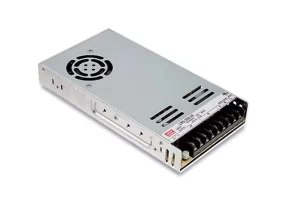
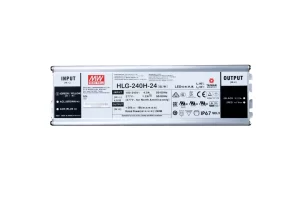
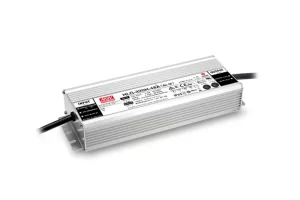
- Pitfall 2: Ignoring system electrical redundancy: It is recommended to reserve 20% power redundancy in the driver power supply of engineering LED strips to avoid premature light decay of the chip due to current surges.
- Avoid pitfall 3: Lack of core certifications in overseas trade: Cross-border engineering light strips require international certifications such as UL, CE, SAA, and ErP; choose source factories that support certification in lieu of review to quickly pass the review and avoid the risk of being taken off the shelves.
Wilgex focuses on providing customized flexible LED neon solutions to global customers, supporting OEM/ODM projects and offering flexible design and reliable manufacturing.
Learn more about our LED neon lighting solutions:
www.wilgex-led.com
Follow Wilgex LED Neon Flex updates:
www.facebook.com/WilgexLEDNeonFlex