





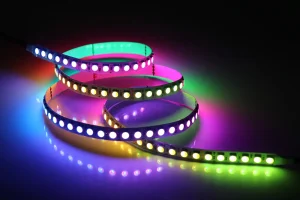
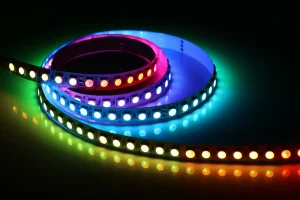












Large-scale LED strip light installations have become increasingly popular in commercial and architectural projects. While LED technology is inherently energy-efficient, implementing effective energy-saving strategies can further optimize performance, reduce operational costs, and support sustainability goals.
In this article, we’ll explore practical energy-saving strategies for large-scale LED strip light installations, focusing on planning, technology choices, and advanced control systems. Whether you’re managing a retail space, office building, or outdoor architectural lighting, these tips will help maximize efficiency while maintaining outstanding visual appeal.
1. Start with Accurate Planning and Design
Proper planning is the foundation for energy-efficient LED strip light installations.
1.1 Conduct a Lighting Audit
Before installation, assess the lighting needs of the space to determine:
- Purpose of Lighting: Is it for ambient lighting, task lighting, or accent lighting?
- Placement: Identify high-priority areas that require consistent illumination and those that only need decorative accents.
- Light Levels: Use tools like lumen calculators to determine the required brightness (lumens per meter) for each area.
1.2 Optimize Layout
- Minimize Overlaps: Avoid redundant lighting by spacing LED strips strategically to cover the required area without unnecessary overlaps.
- Use Reflective Surfaces: Install strips near reflective surfaces (e.g., polished walls or ceilings) to amplify light and reduce the need for additional strips.
2. Choose the Right LED Strip Lights
2.1 Select Energy-Efficient LEDs
Not all LED strip lights are created equal. Look for strips with:
- High Lumens per Watt: Higher efficiency LEDs produce more light while consuming less energy. Aim for a lumens-per-watt rating of 100 or higher.
- Customizable Color Temperatures: Choose strips with adjustable color temperatures (2700K–6500K) to optimize energy use for different environments.
2.2 Match Voltage to Project Requirements
- 24V LED Strips: These are more efficient for large-scale installations due to reduced voltage drop, allowing longer runs without compromising brightness.
- Dimmable Options: Select strips compatible with dimmers to provide flexibility in energy use.
2.3 Use IP-Rated Strips for Outdoor Projects
For outdoor installations, choose IP65 or IP67-rated waterproof LED strips to ensure durability and reduce maintenance-related energy costs.
3. Optimize Power Supply Efficiency
3.1 Use High-Quality Power Supplies
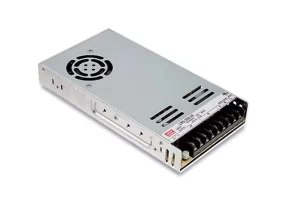
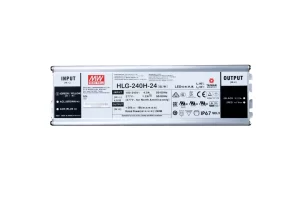
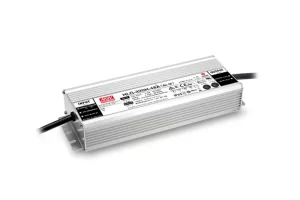
Power supplies (drivers) play a crucial role in energy efficiency:
- Choose the Right Capacity: A power supply with 20–30% extra capacity ensures stable operation and prevents overloading.
- Look for Efficiency Ratings: Opt for power supplies with an efficiency rating of 90% or higher to minimize energy loss.
3.2 Centralize Power Distribution
For large-scale installations, a centralized power supply can improve efficiency by reducing transmission losses and simplifying wiring.
3.3 Implement Voltage Regulators
Voltage regulators maintain consistent voltage levels, protecting LEDs from surges and ensuring optimal energy use.
4. Integrate Advanced Control Systems
Control systems are essential for managing energy use in large-scale installations.
4.1 Use Smart Lighting Systems
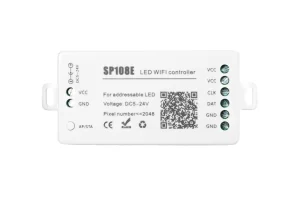
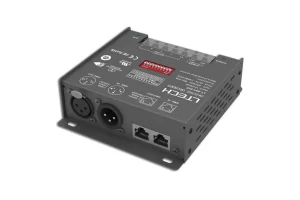
Smart controllers and automation systems allow for precise control over LED strip lights, including:
- Dimming: Adjust brightness based on the time of day or usage requirements.
- Scheduling: Set specific on/off times to avoid unnecessary energy use during non-operational hours.
- Zoning: Divide the installation into zones and control each independently for greater efficiency.
4.2 Leverage Motion Sensors
Motion sensors can reduce energy consumption in areas with intermittent use, such as hallways, staircases, or storage rooms.
4.3 Use Daylight Sensors
For spaces with natural light, daylight sensors can adjust LED brightness dynamically, ensuring optimal light levels while conserving energy.
5. Focus on Heat Management
5.1 Use Aluminum Profiles for Heat Dissipation
Aluminum channels or profiles not only protect LED strips but also improve heat dissipation, enhancing energy efficiency and extending the lifespan of the LEDs.
5.2 Avoid Enclosed Installations
Ensure adequate ventilation to prevent heat buildup, which can reduce the efficiency and longevity of LED strips.
6. Conduct Regular Maintenance
6.1 Inspect Connections
Loose connections can lead to energy inefficiencies and inconsistent lighting. Regular inspections ensure optimal performance.
6.2 Clean LED Strips
Dust and debris can reduce the brightness of LEDs, leading to unnecessary energy consumption to maintain desired light levels.
6.3 Replace Failing Components
Identify and replace failing drivers, connectors, or segments promptly to prevent energy wastage.

7. Consider Sustainability Certifications
Achieving sustainability certifications can benefit your project and enhance its appeal to environmentally conscious clients.
7.1 LEED Certification
Energy-efficient lighting is a key component of LEED-certified buildings. Using LED strips with low energy consumption and integrating advanced controls can contribute significantly to certification points.
7.2 WELL Certification
Lighting that adapts to human needs, such as circadian-friendly solutions, supports WELL certification requirements.
8. Why Choose Wilgex for Your Large-Scale LED Strip Light Projects?
At Wilgex, we specialize in providing energy-efficient, high-quality LED strip lights tailored for large-scale installations.
What We Offer
- Premium Products: Our LED strips feature industry-leading efficiency and durability.
- Custom Solutions: Tailored lengths, voltages, and IP ratings to meet the unique demands of your project.
- Smart Controls: Advanced control systems for dimming, zoning, and automation.
- Expert Support: From planning to maintenance, we provide comprehensive guidance to ensure your project’s success.
9. Conclusion
Energy efficiency is a critical consideration for large-scale LED strip light installations. By carefully planning your project, selecting the right products, optimizing power supplies, and leveraging smart controls, you can significantly reduce energy consumption while maintaining exceptional lighting quality.
With Wilgex’s innovative LED solutions, you can achieve stunning results that align with your sustainability and cost-saving goals. Contact us today to learn more about our energy-efficient LED strip lights and customized solutions!