



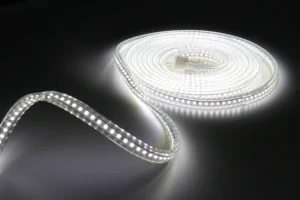


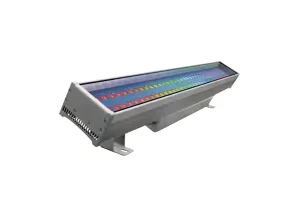
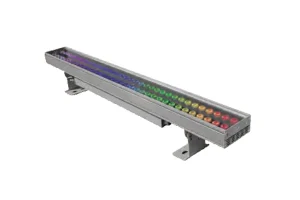
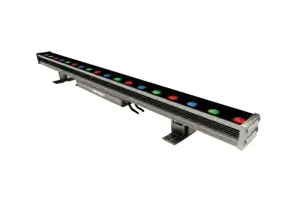
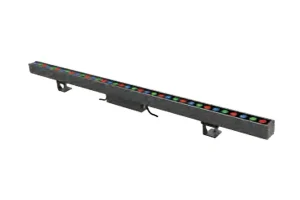




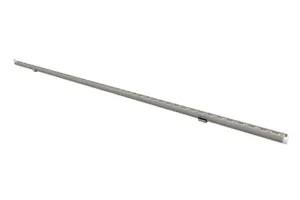








LED strip lights are a popular choice for both decorative and functional lighting, thanks to their flexibility, energy efficiency, and ease of use. However, improper installation can lead to a host of issues, from flickering lights to complete system failure. For commercial projects, such mistakes can be costly, impacting aesthetics, functionality, and even safety.
In this guide, we’ll discuss the most common installation mistakes when working with LED strip lights and how to avoid them. By following these tips, you can ensure a professional, long-lasting installation that meets your lighting goals.
1. Overlooking Power Requirements
Mistake
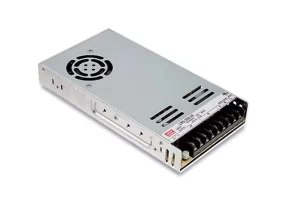
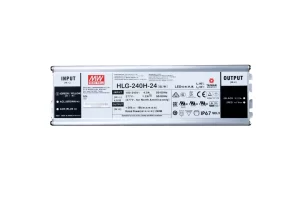
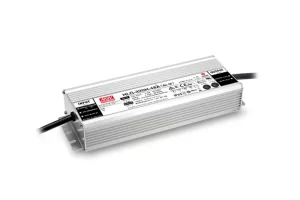
One of the most common mistakes is using an underpowered or mismatched power supply. Each LED strip has specific voltage and wattage requirements, typically 12V or 24V, and exceeding or underpowering these can result in overheating, flickering, or failure.
How to Avoid It
- Match Voltage: Check the strip’s voltage (12V or 24V) and ensure the power supply matches this rating.
- Calculate Wattage: Determine the total wattage required by multiplying the strip’s wattage per meter by its length. Choose a power supply with at least 20–30% more capacity to handle surges and ensure stable performance.
- Use Dedicated Power Supplies: For long runs or multiple strips, use separate power supplies or a centralized power source with sufficient capacity.
2. Cutting Strips Incorrectly
Mistake
Improperly cutting LED strips at non-designated points can damage the circuit, leading to segments that do not light up or function inconsistently.
How to Avoid It
- Follow Markings: LED strips have clearly marked cutting points, usually every 5cm or 10cm, depending on the strip type. Only cut along these lines.
- Use the Right Tools: Employ sharp scissors or cutting tools to ensure clean, precise cuts without damaging nearby circuitry.
- Test After Cutting: Always test the strip after cutting to confirm all LEDs are functioning correctly before installation.
3. Ignoring Voltage Drop in Long Runs
Mistake
When installing long LED strips, voltage drop can occur, causing the LEDs at the end of the strip to appear dimmer than those at the beginning.
How to Avoid It
- Opt for 24V Strips: These handle longer runs more effectively with reduced voltage drop compared to 12V strips.
- Use Amplifiers: For strips exceeding the recommended length (e.g., 5 meters for 12V or 10 meters for 24V), add amplifiers to maintain consistent brightness.
- Parallel Connections: Instead of daisy-chaining long strips, connect shorter sections in parallel to the power supply for uniform lighting.
4. Inadequate Surface Preparation
Mistake
Skipping surface preparation can result in poor adhesion, causing the LED strips to peel off over time.
How to Avoid It
- Clean the Surface: Wipe the installation surface with a dry cloth or mild cleaner to remove dust, grease, or debris.
- Use Adhesive Enhancers: For difficult surfaces or high-temperature areas, reinforce the adhesive backing with double-sided tape or mounting clips.
- Ensure Smoothness: Avoid installing on uneven or rough surfaces, which can compromise adhesion.
5. Neglecting Heat Management
Mistake
Overlooking heat dissipation can shorten the lifespan of LED strips, especially in enclosed spaces or high-power installations.
How to Avoid It
- Install Aluminum Channels: Use aluminum profiles or channels to house the strips, dissipating heat effectively while offering additional protection.
- Provide Ventilation: Ensure adequate airflow around the strips, particularly in cabinets, coves, or recessed areas.
- Choose Low-Heat Strips: Opt for high-quality LED strips with efficient thermal management to reduce heat buildup.
6. Improper Waterproofing for Outdoor Use
Mistake
Using non-waterproof LED strips in outdoor or damp environments can lead to moisture damage, corrosion, or short circuits.
How to Avoid It
- Select the Right IP Rating: Use LED strips with an IP65 or higher rating for outdoor applications. IP67 strips offer full waterproofing for submerged installations.
- Seal Connections: Use waterproof connectors and seal exposed wiring with heat shrink tubing or silicone to prevent water ingress.
- Test Before Installation: Verify waterproofing by testing the strips in a controlled environment before final placement.
7. Skipping Preliminary Testing
Mistake
Failing to test the LED strips, connections, and power supply before finalizing the installation can lead to overlooked issues, resulting in additional labor and delays.
How to Avoid It
- Pre-Install Testing: Connect the strips to the power supply and test for brightness, uniformity, and functionality before installation.
- Check Connections: Ensure all connectors are secure and free of loose wires.
- Inspect the Power Supply: Confirm the power source is functioning correctly and providing stable voltage.
8. Overloading Circuits
Mistake
Connecting too many LED strips to a single power supply or circuit can cause overloads, resulting in overheating or electrical failure.
How to Avoid It
- Follow Manufacturer Guidelines: Adhere to the maximum load specifications provided by the manufacturer.
- Distribute the Load: Use multiple power supplies or divide the strips across circuits to balance the load.
- Add Fuses or Circuit Breakers: These safety measures protect the system from damage in case of overcurrent.
9. Using Incompatible Controllers
Mistake
Pairing LED strips with incompatible controllers can limit functionality, cause flickering, or even damage the lights.
How to Avoid It
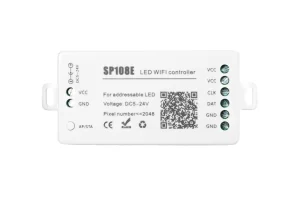
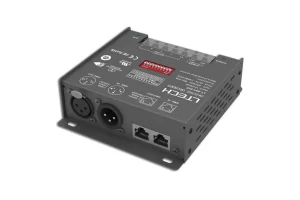
- Match Voltage and Wattage: Ensure the controller supports the strip’s specifications.
- Check Compatibility: Use controllers specifically designed for the type of strip (e.g., RGB, RGBW, or dimmable).
- Upgrade for Smart Control: For advanced features, consider wireless controllers or smart home integrations like Alexa or Google Assistant.
10. Why Choose Wilgex for Your LED Strip Light Projects?
At Wilgex, we understand the challenges of LED strip light installations and offer high-quality, reliable solutions to meet your needs.
What Sets Us Apart?
- Durable Products: Our LED strips feature robust construction and efficient heat management for long-lasting performance.
- Comprehensive Support: From product selection to installation guidance, our experts are here to help.
- Custom Solutions: We provide tailored lengths, IP-rated options, and compatible accessories for every project.
11. Conclusion
Avoiding common installation mistakes is critical to ensuring the longevity and effectiveness of your LED strip lights. By understanding power requirements, preparing surfaces, managing heat, and using compatible components, you can achieve a flawless installation that enhances your project’s appeal and functionality.
For premium LED strip lights manufacturer support, trust Wilgex to deliver high-quality products designed for success. Contact us today to get started!