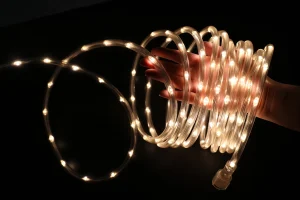
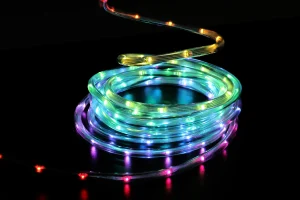


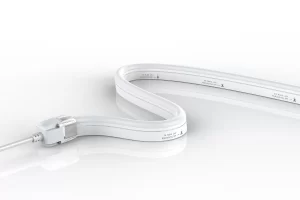
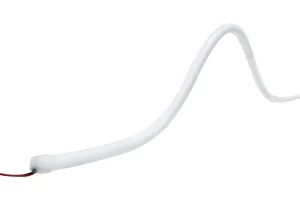



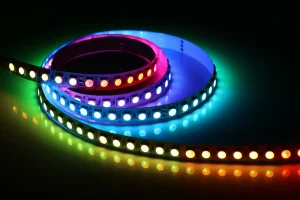
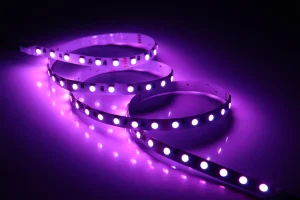
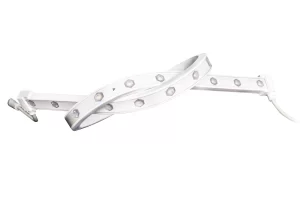

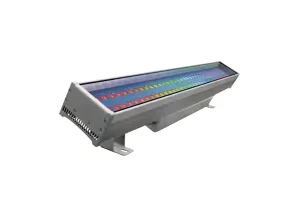
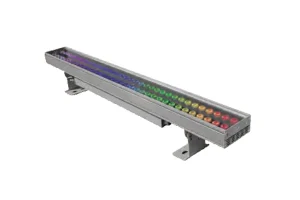
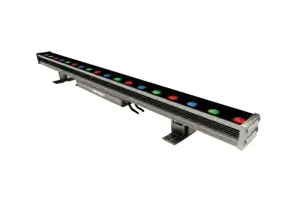
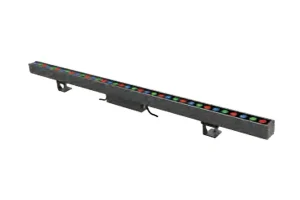


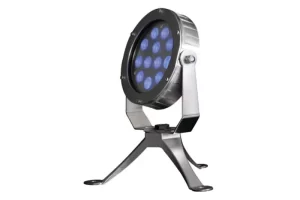
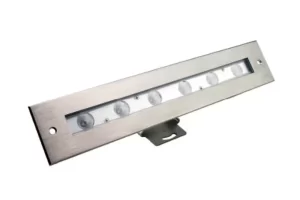
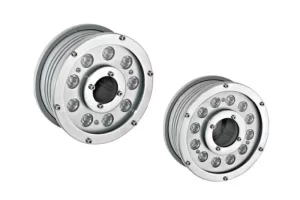


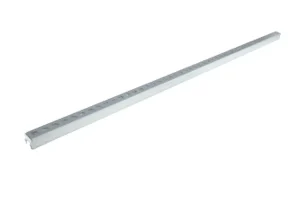
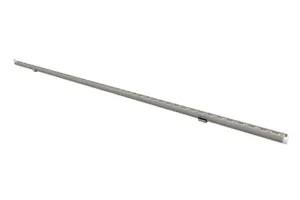






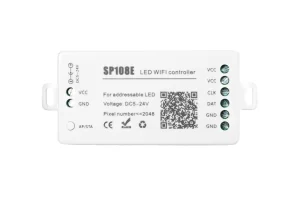
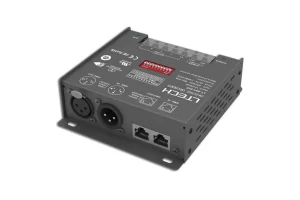


In the field of modern lighting, LED light strips are widely used for their energy-saving, high efficiency, flexibility, rich colors and many other advantages. Whether it is architectural decoration, indoor lighting, or commercial display, you can see LED light strips. However, LED light strips often need to be matched with transformers for normal operation, and there are many important reasons behind this.
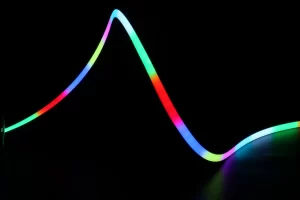
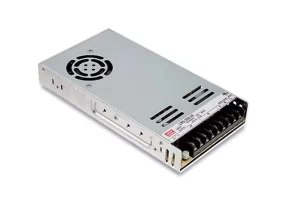
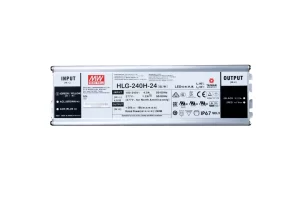
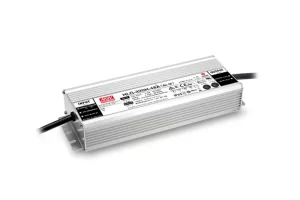
From the characteristics of LED light strips, they are usually powered by low-voltage DC power supplies, and the general working voltage is at a low level such as 12V or 24V. However, the mains power supply in our daily life is mostly 220V AC voltage. Such a large voltage difference makes it completely impossible to directly connect the mains power to the LED light strip. Therefore, a transformer must be used to convert the voltage, converting the high-voltage mains power into a low voltage suitable for the operation of the LED light strip, so as to ensure that the light strip can operate stably at the rated voltage, and avoid damage to the light strip due to excessively high voltage, or even safety accidents, such as overheating, burning, fire and other serious consequences.
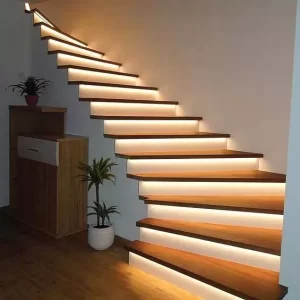
LED light strips have extremely high requirements on power supply stability. Voltage fluctuations may have a significant impact on its performance, such as unstable brightness, flickering, color deviation, etc., seriously affecting the lighting effect and user experience. The transformer can not only adjust the voltage, but also stabilize the output voltage to a certain extent and reduce voltage fluctuations and current ripples. Even if the mains voltage fluctuates within a certain range, a high-quality transformer can maintain the output voltage within a relatively stable range through internal voltage stabilizing circuits and other structures, ensuring that the LED light strip can continue to work stably and normally, providing users with Provides even, soft and reliable lighting output.
Different types and specifications of LED light strips may require different operating voltages and currents. The existence of transformers makes it easy to adapt multiple LED light strips in one power supply system. By selecting a transformer with appropriate parameters, the power supply requirements of various LED light strips can be flexibly met, improving the compatibility and scalability of the entire lighting system. This is especially important in some large-scale commercial lighting projects or complex indoor and outdoor decorative lighting projects, because these projects often use a variety of different specifications and models of LED light strips. Transformers can ensure that they can all get the right power supply and work together to achieve the expected lighting design effect.

From a safety perspective, reducing the mains voltage to a safe low voltage range greatly reduces the risk of electric shock to the human body due to electrical faults. Especially in some occasions where people are easily exposed to light strips, such as light strip installation in home environments and decorative light strips in commercial places, using transformers for voltage conversion can provide users with more reliable electrical safety protection, meet the requirements of relevant electrical safety standards and specifications, and avoid personal injury and property loss disputes caused by electrical safety issues.
LED light strips need transformers due to their own low-voltage working characteristics, strict requirements for power supply stability, system compatibility and scalability requirements, and safety protection. Transformers play an indispensable and key role in the application of LED light strips. They are an important guarantee to ensure that LED light strips can operate efficiently, stably and safely, laying a solid foundation for us to create a comfortable, beautiful and safe lighting environment.