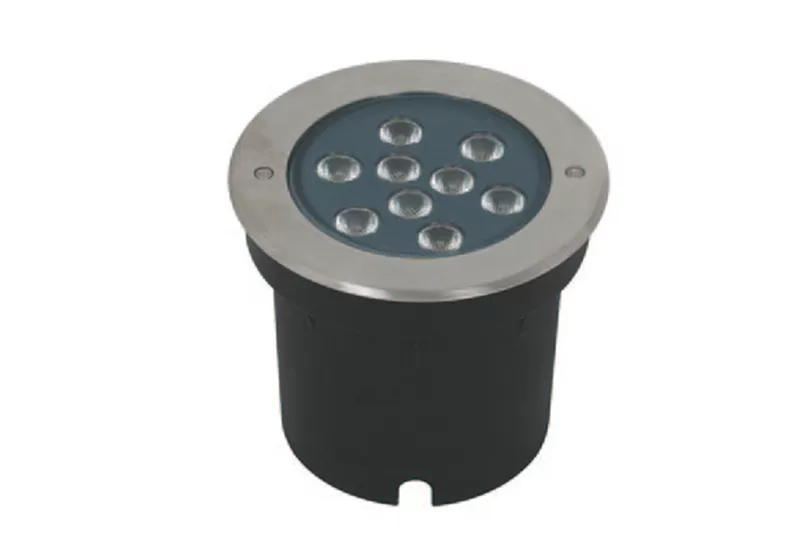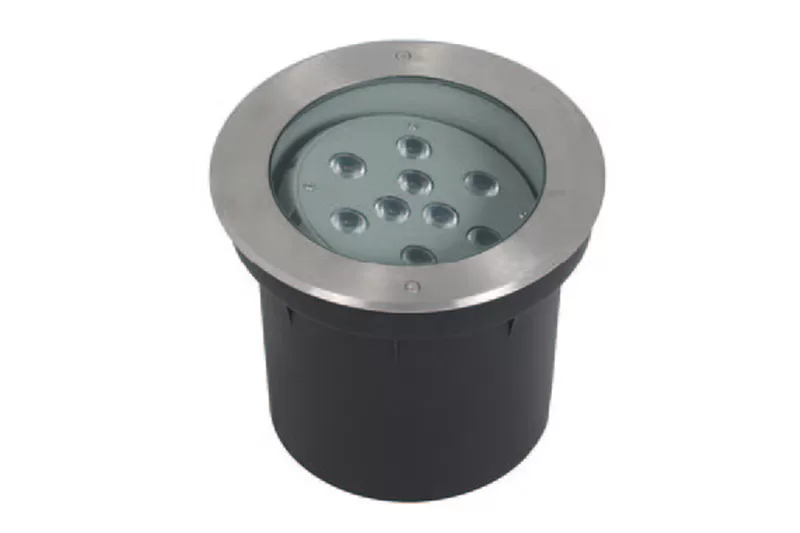


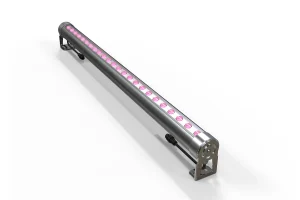















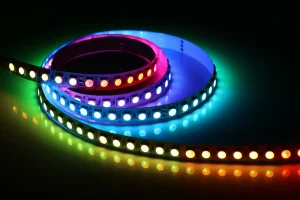
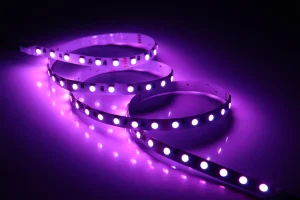
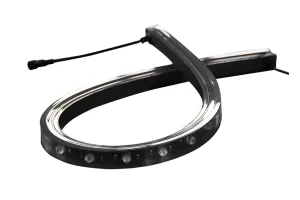
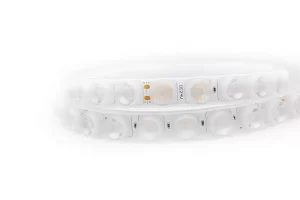



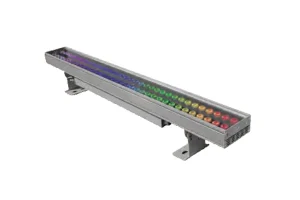
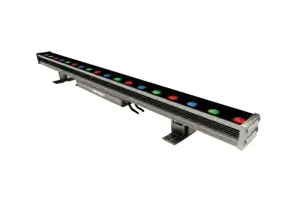
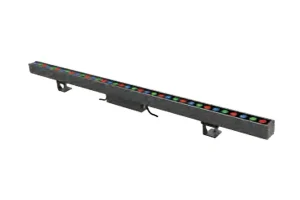


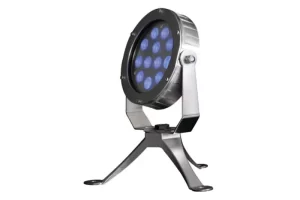

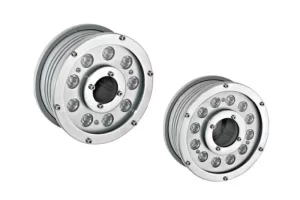










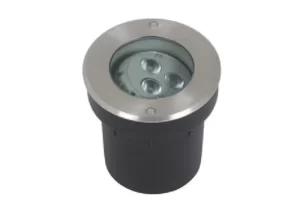


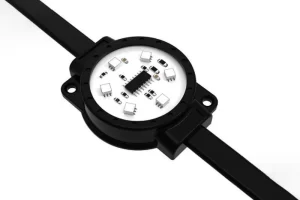



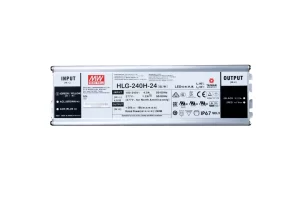
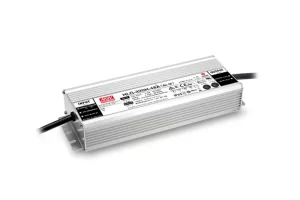
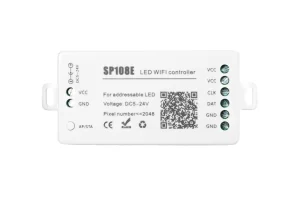
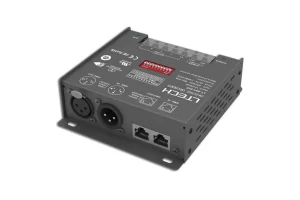


LED tunnel lights are specialized lighting fixtures designed to illuminate tunnels, providing safety and visibility for drivers and pedestrians. These lights are integral to infrastructure projects, ensuring that tunnels are well-lit, energy-efficient, and environmentally friendly. Understanding the characteristics and benefits of LED tunnel lights is essential for appreciating their role in modern urban and rural development.
Key Characteristics of LED Tunnel Lights
- High Efficiency and Low Energy Consumption LED tunnel lights are renowned for their high energy efficiency. They consume significantly less power compared to traditional lighting systems such as high-pressure sodium or metal halide lamps. This efficiency translates to substantial cost savings in the long term, particularly for large-scale infrastructure projects where extensive lighting is required.
- Long Lifespan One of the most notable features of LED tunnel lights is their long operational life. While traditional bulbs might need frequent replacements, LEDs can last up to 50,000 hours or more. This longevity reduces maintenance costs and minimizes disruptions due to lighting failures.
- Durability and Reliability LED tunnel lights are built to withstand harsh environmental conditions. They are resistant to vibrations, shocks, and extreme temperatures, making them ideal for tunnel environments where conditions can be less than favorable. This durability ensures consistent performance and safety over time.
- Instant Lighting and Flicker-Free Operation Unlike some traditional lighting solutions that may take time to reach full brightness, LED tunnel lights provide instant illumination. Additionally, they offer flicker-free operation, which is crucial for maintaining visibility and reducing eye strain for drivers.
- Customizable Lighting Solutions LED technology allows for a high degree of customization. Tunnel lighting can be tailored to specific needs, including varying brightness levels, color temperatures, and beam angles. This flexibility ensures that tunnels are illuminated in the most efficient and effective manner.

Benefits of LED Tunnel Lights
- Enhanced Safety Proper lighting is critical for ensuring the safety of tunnel users. LED tunnel lights provide uniform and bright illumination, reducing the risk of accidents caused by poor visibility. The clear, consistent light output helps drivers and pedestrians see obstacles, signs, and other vehicles more clearly.
- Environmental Sustainability LED tunnel lights are environmentally friendly. They consume less energy and have a smaller carbon footprint compared to traditional lighting systems. Moreover, LEDs do not contain hazardous materials such as mercury, making them safer for the environment.
- Cost Savings The energy efficiency and long lifespan of LED tunnel lights result in significant cost savings. Reduced energy consumption lowers utility bills, and the minimal need for replacements and maintenance cuts down on operational expenses. These savings can be redirected towards other important infrastructure projects.
- Improved Visual Comfort The quality of light produced by LED tunnel lights enhances visual comfort for tunnel users. The bright, white light improves contrast and visibility, making it easier to navigate through tunnels. This improvement in visual clarity can reduce driver fatigue and enhance overall driving experience.
- Smart Control Systems Modern LED tunnel lights can be integrated with smart control systems. These systems allow for remote monitoring and adjustment of lighting levels based on traffic flow and ambient light conditions. Smart controls ensure optimal lighting at all times, further enhancing energy efficiency and safety.
Conclusion
LED tunnel lights represent a significant advancement in lighting technology, offering a combination of efficiency, durability, and safety. As infrastructure development continues to evolve, the adoption of LED tunnel lights will play a crucial role in creating safer and more sustainable environments. Their benefits extend beyond mere illumination, contributing to overall cost savings, environmental protection, and improved user experience.