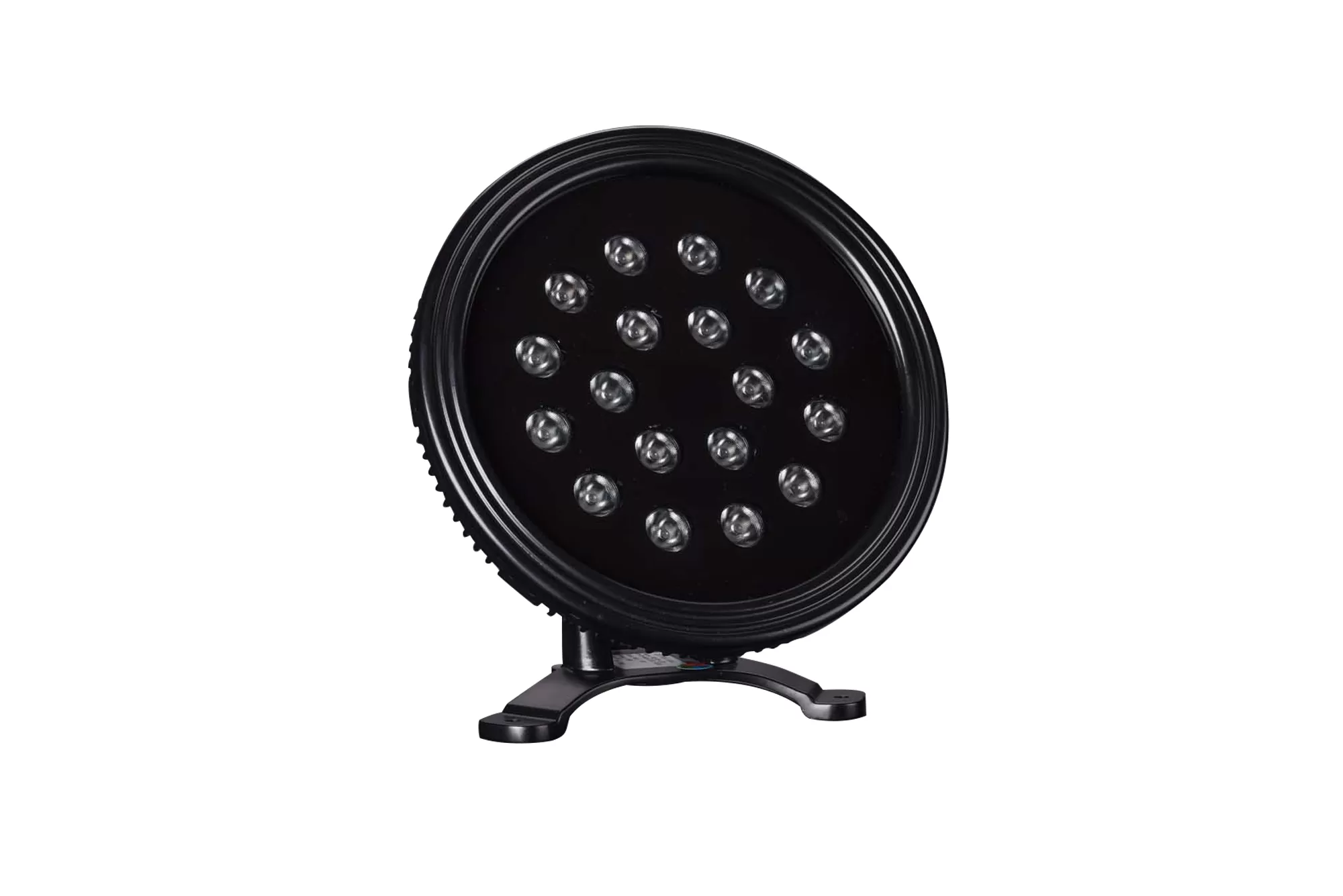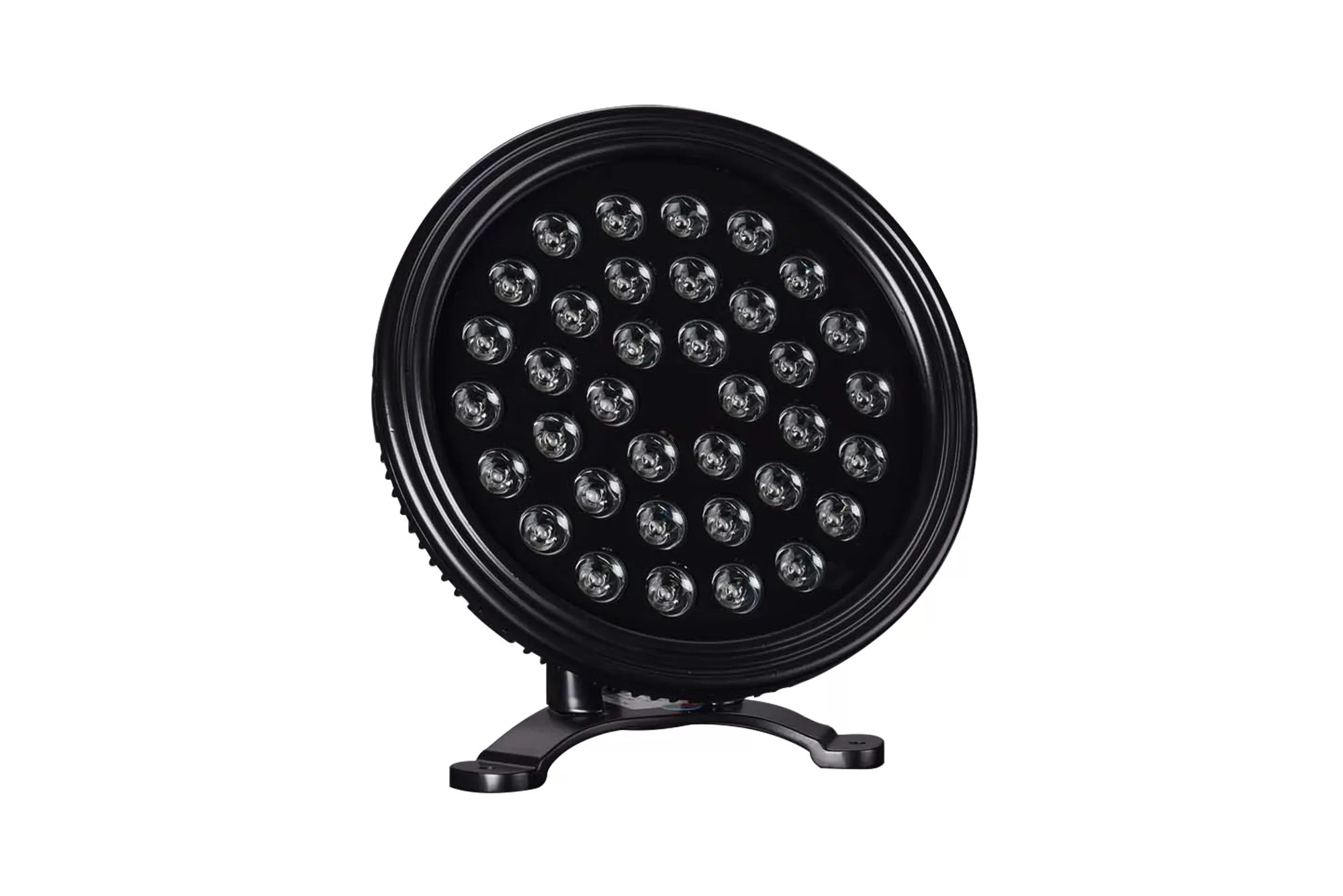


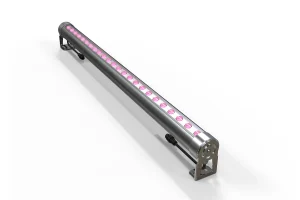
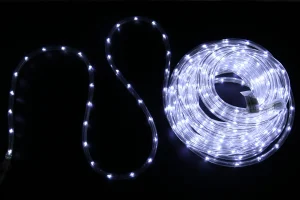
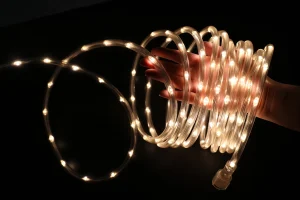
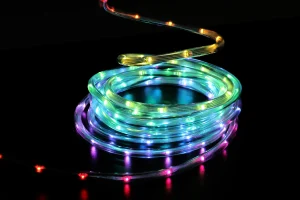


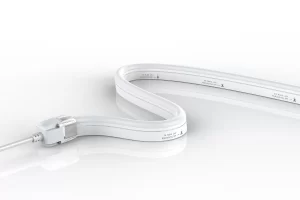
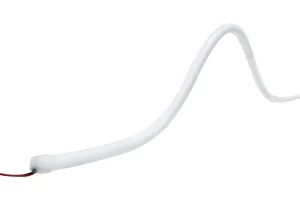


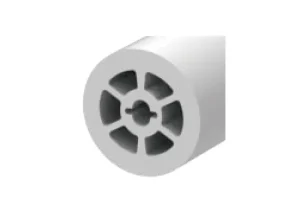
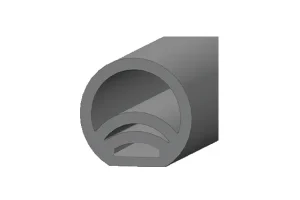


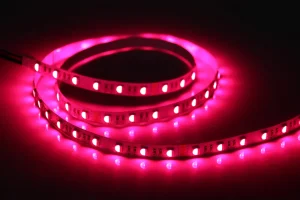
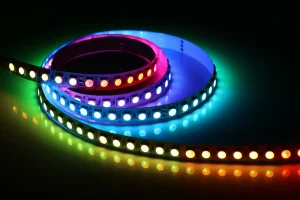
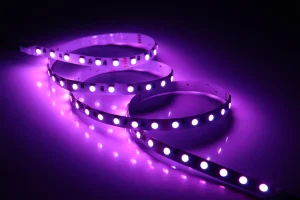
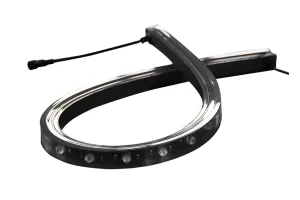
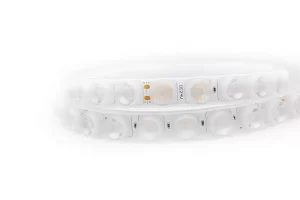
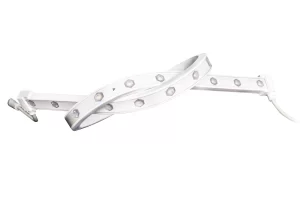
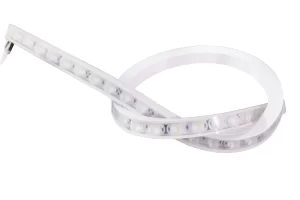

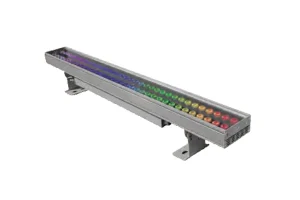
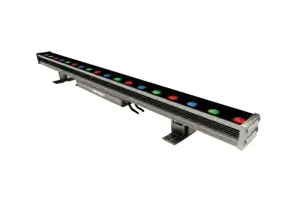
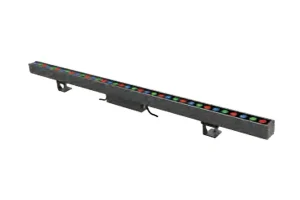


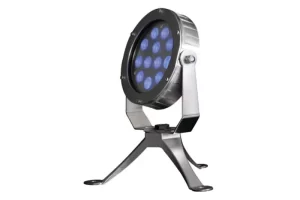
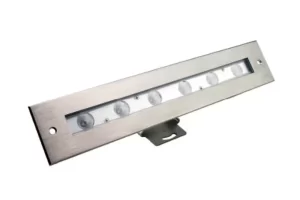
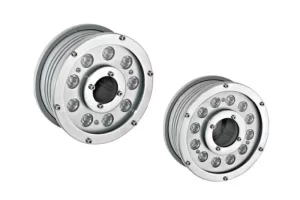


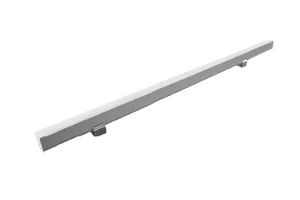
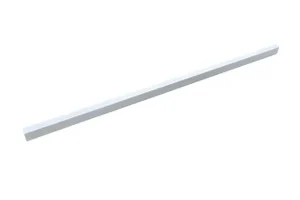

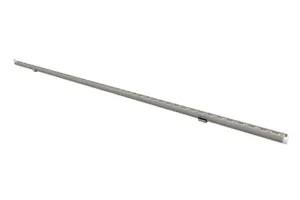


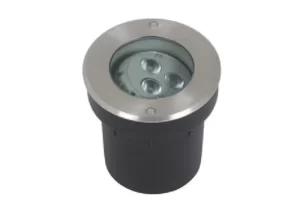


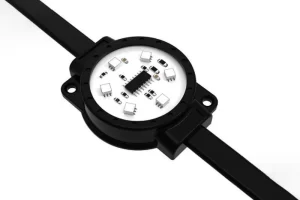


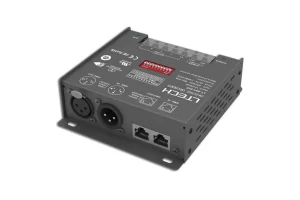


An LED underwater light is a specialized lighting device designed for use in water environments, such as swimming pools, fountains, aquariums, or for underwater photography and exploration. These lights are engineered to withstand the harsh conditions underwater, including pressure, moisture, and corrosion.
Key Features of LED Underwater Lights:
1. Waterproof Design:
IP Rating:LED underwater lights are typically rated with a high IP (Ingress Protection) rating, such as IP68, indicating that they are fully waterproof and can operate safely under water for extended periods.
Sealed Housing:The housing of these lights is hermetically sealed to prevent water from entering the internal components, ensuring long-term durability.
2. Energy Efficiency:
Low Power Consumption:LEDs are highly energy-efficient, consuming less power than traditional incandescent or halogen bulbs while providing the same or greater brightness.
Long Lifespan:LED bulbs have a long operational life, often lasting tens of thousands of hours, reducing the need for frequent replacements.
3. High Brightness and Color Options:
Bright Output:Despite their compact size, LED underwater lights can produce a high level of brightness, making them ideal for illuminating large areas.
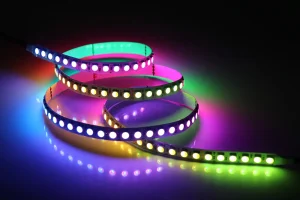
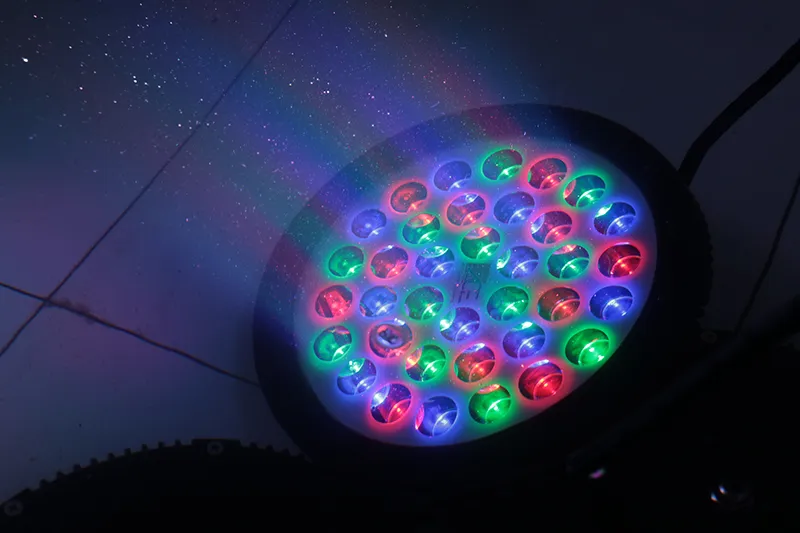
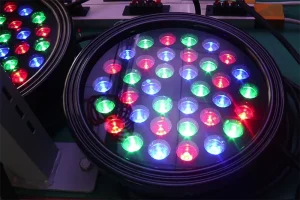
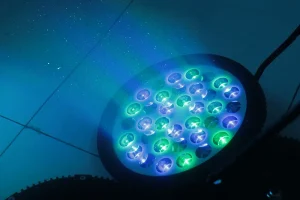
Color Variability:Many LED underwater lights come with RGB (Red, Green, Blue) LEDs, allowing for a wide range of colors and dynamic lighting effects. Some models can be controlled remotely to change colors or create light patterns.
4. Durability:
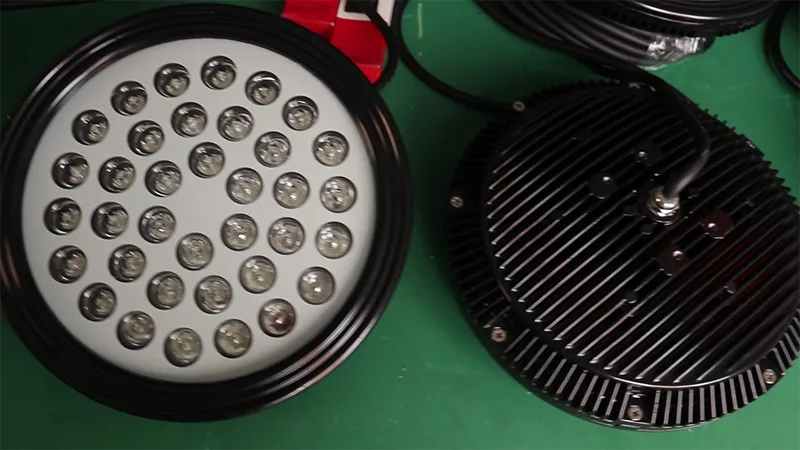
Corrosion-Resistant Materials:These lights are often made from materials such as stainless steel, aluminum, or high-quality plastics that resist corrosion from water, especially in saltwater environments.
Shock Resistance:LEDs are solid-state devices, making them more resistant to shock and vibration compared to traditional bulbs.
5. Low Heat Emission:
Cool Operation:LEDs emit very little heat compared to other types of lighting, which is important underwater to avoid heating the water and to ensure the safety of aquatic life in environments like aquariums.
6. Versatile Mounting Options:
Surface-Mounted or Submersible:LED underwater lights can be mounted on surfaces like pool walls or can be fully submersible, depending on the application.
Adjustable Angles:Many models feature adjustable brackets, allowing you to direct the light where it’s needed most.
7. Safety Features:
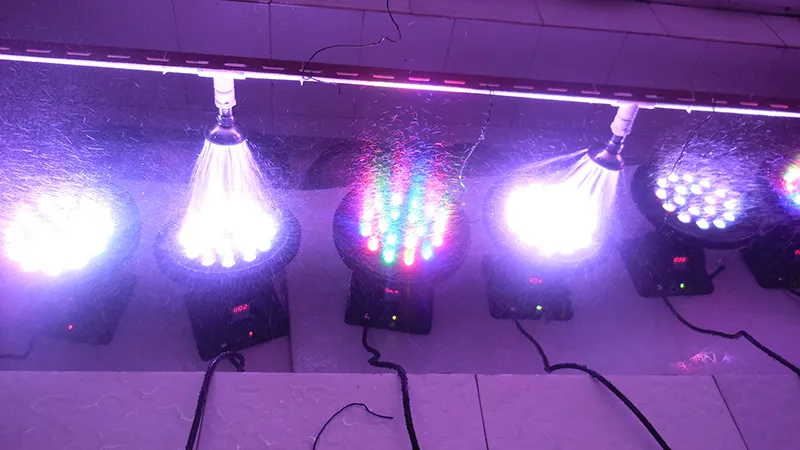
Low Voltage Operation:LED underwater lights typically operate at low voltage (12V or 24V), reducing the risk of electric shock and making them safer for use in water.
Applications:
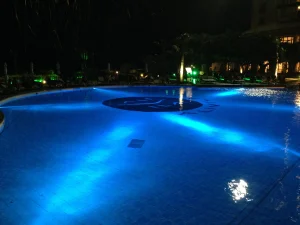
1. Swimming Pools:
For aesthetic lighting, creating ambiance, and enhancing nighttime visibility.
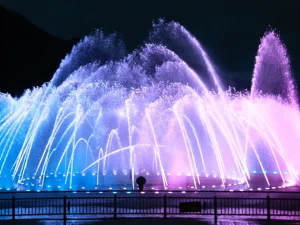
2. Fountains:
To highlight water features with colored or white light.
3. Aquariums:
To simulate natural light conditions and enhance the appearance of aquatic environments.
4. Marine Vessels:
Used in boats and yachts for underwater illumination.
5. Underwater Photography:
To provide lighting for capturing clear and vibrant images in underwater environments.

These lights combine advanced LED technology with robust waterproofing and durability features, making them ideal for a wide range of underwater applications.