
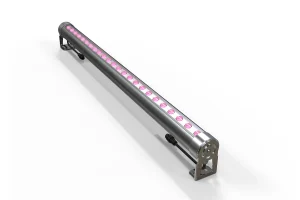
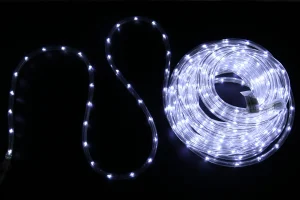
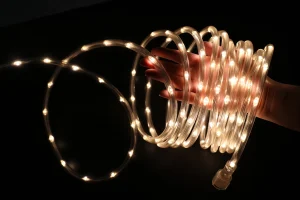
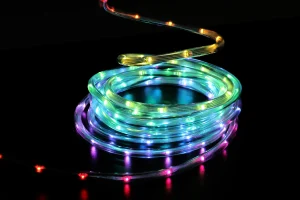



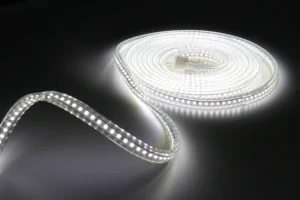






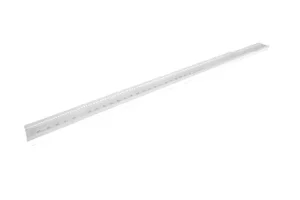
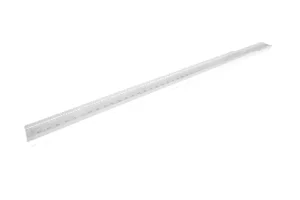
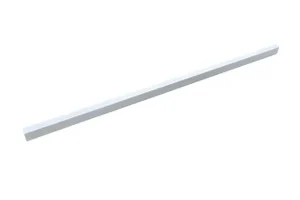
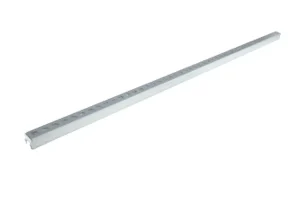








Silicone vs PVC LED strips: If you’ve worked on outdoor lighting, commercial lighting projects, or interior design and decoration, you’ve probably wrestled with this question: silicone LED strips vs. PVC LED strips—two common encapsulation materials in engineering—which one should you choose?
Client concerns are practical too: do they want strong weather resistance and long-term stability, or do they need to control the budget first and pick something cost-effective? Especially for municipal lighting, large landscape projects, and other jobs that cover a lot of area, balancing upfront cost with later maintenance is basically the core of strip selection.
Honestly, there’s no absolute winner. It comes down to four dimensions: physical and chemical stability, environmental adaptability, long-term cost of use, and project fit. Below, from a professional lighting-engineering perspective, we’ll break these four down clearly and then match them with indoor lighting, outdoor lighting, municipal engineering, landscape lighting, commercial lighting, and other scenarios to give you a selection plan you can use directly.
1. First, Get Clear: What Are Silicone LED Strips and PVC LED Strips?
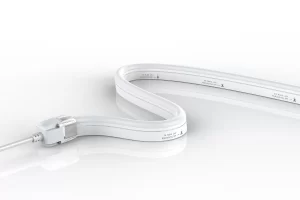
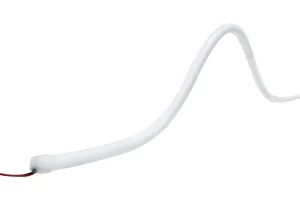
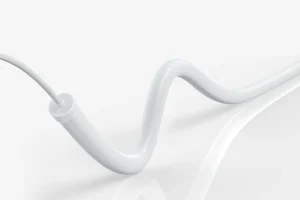
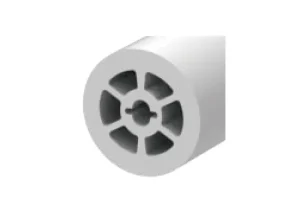
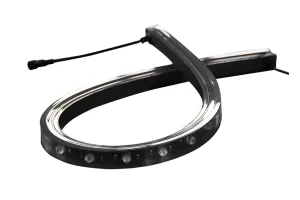
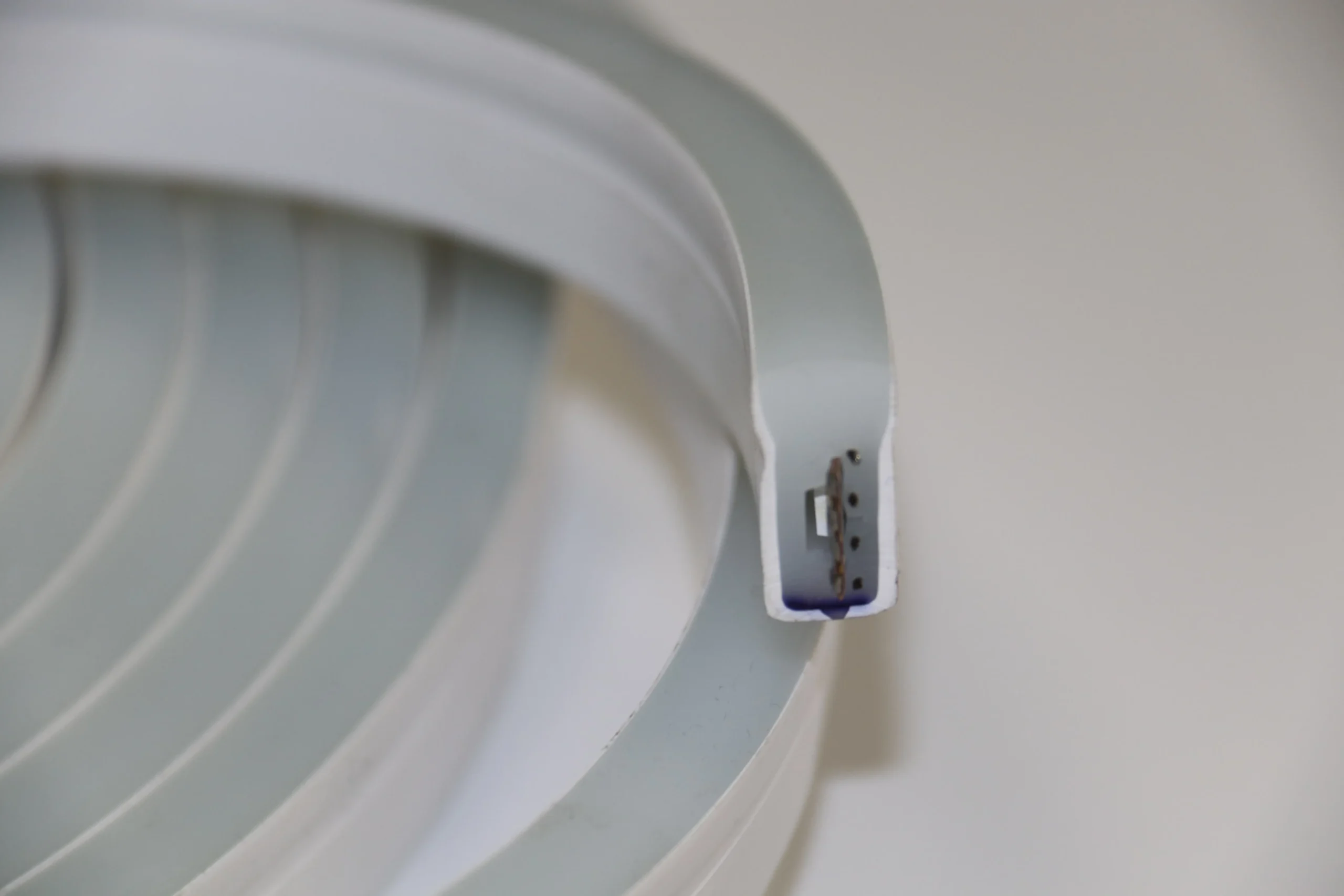
Silicone LED strips, especially fumed-silicone versions, basically encapsulate the entire LED circuit in high-performance silicone rubber. Their strength is stable chemical properties: UV resistance, anti-yellowing, high/low temperature resistance, deep-water waterproofing—pretty much maxed out. Silicone strips used for outdoor lighting feel flexible, and in harsh conditions like heavy rain, intense sun, salt spray, and extreme cold, their physical performance barely drops. That’s why they’re often used in outdoor lighting projects and municipal landscape lighting—they’re one of the first choices for weather-resistant material.
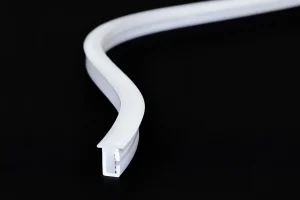
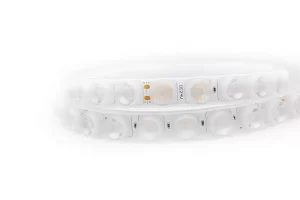
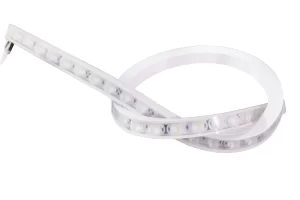
PVC LED strips, on the other hand, have long been the mainstream product in the lighting project market. They use PVC plastic coating for basic protection, with mature processes and controllable cost. Weather resistance in extreme environments is indeed weaker than silicone, but for indoor lighting, temporary visual displays, and short-term lighting projects with limited budgets, their cost-performance keeps them important. They’re the economical choice for interior design and ordinary indoor engineering lighting.
2. Head-to-Head: Weather Resistance, Lifespan, Heat Dissipation, and Compliance
2.1 Weather Resistance and Visual Lifespan: Silicone Has a Big Edge
This is the most obvious difference between outdoor and indoor use, and an important basis for choosing engineering lighting.
Silicone is naturally UV-resistant. Even after years outdoors in wind and sun, it doesn’t easily yellow, become brittle, or crack. In tough settings like coastal landscape lighting, high-salt-spray environments, and extremely cold regions, it still maintains high light transmission and flexibility. For municipal lighting and landmark building illumination, it can stay looking new for years and keep emitting steadily.
PVC is different. Its UV and temperature-difference resistance are inherently weaker, so long-term outdoor use makes it prone to yellowing, hardening, and cracking. That doesn’t just hurt the lighting effect; water getting into gaps can also cause dead LEDs and short circuits, which actually drives up later maintenance costs.
2.2 Heat Dissipation, Energy Efficiency, and System Stability
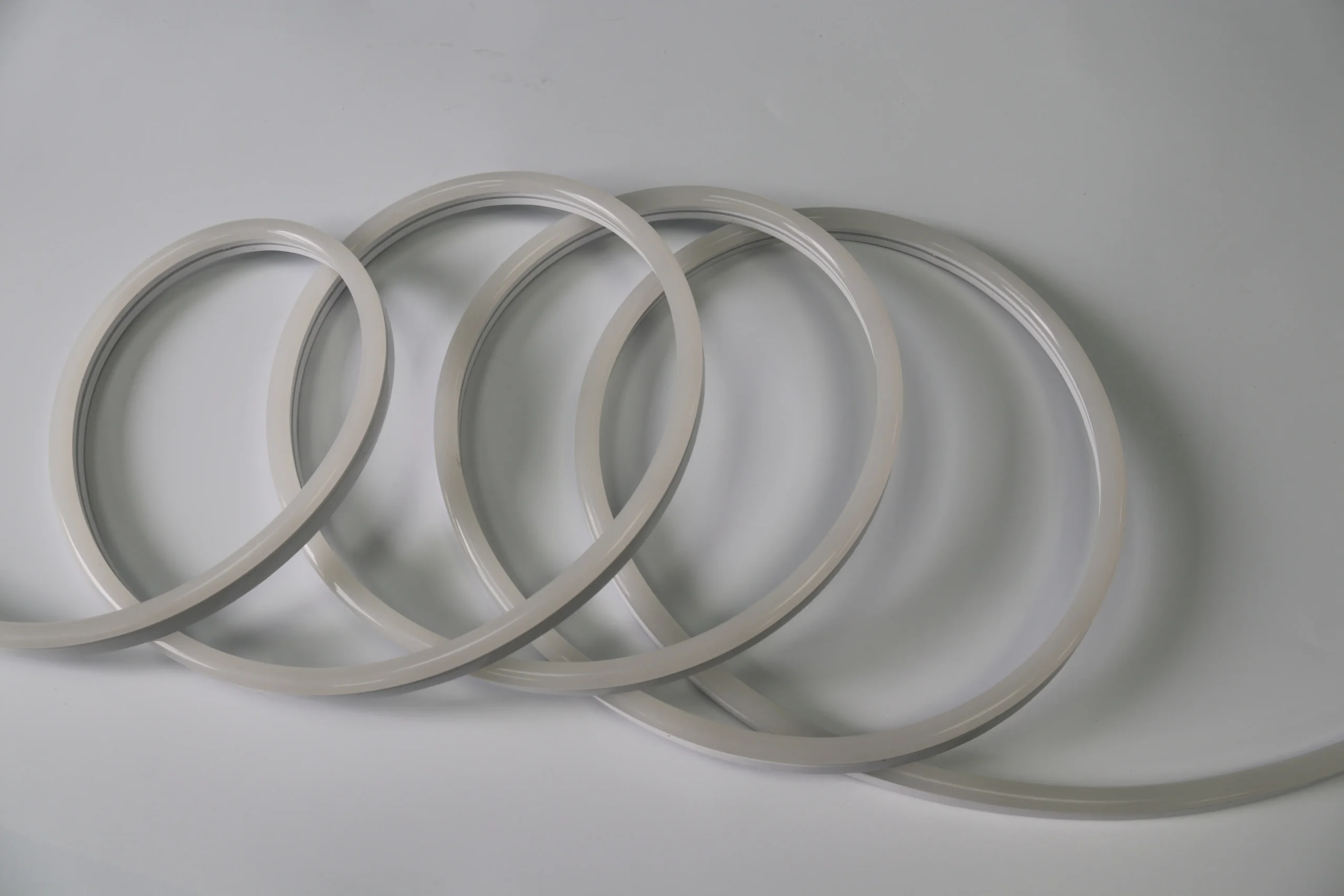
Silicone conducts heat much better than ordinary plastic. Paired with a 2oz rolled copper PCB substrate, heat dissipation is even better. It’s especially suited to high-power engineering lighting and outdoor lighting projects that need to stay on for long periods. Lumen depreciation is slower, and the whole lighting system runs more stably.
PVC has moderate heat dissipation. It’s better for low-to-medium-power indoor lighting and short-term projects with good ventilation. If run at high power in high temperatures, aging speeds up.
2.3 Cost, Installation, and Compliance
On cost, silicone engineering strips are higher in both raw materials and processing. For the same specs, they usually cost 20%–40% more than PVC engineering strips. PVC has a clear upfront purchasing advantage, making it suitable for short-term indoor lighting and budget-limited projects.
On compliance and certification, cross-border engineering lighting and outdoor lighting projects usually need to pass mandatory certifications like UL, CE, SAA, and ErP. Good-quality silicone strips are themselves more likely to pass strict fire, insulation, and energy-efficiency testing, and can even serve as certification in place of a separate review—making them suitable for overseas lighting projects and formal project bidding.
3. Choose by Scenario: Don’t Ask Which Is Better—First Ask Where It’s Used
3.1 Landscape and Architectural Outdoor Lighting: Prioritize Reliability, Keep Maintenance-Free in Mind
Scenarios that favor silicone LED strips:
Municipal lighting projects / landmark building lighting: If the project requires 5–10 years of stable, maintenance-free operation, silicone’s anti-yellowing and long life are the guarantee.
Open-air outdoor lighting / water feature lighting: If it’s constantly rained on, damp, or even directly submerged, waterproof silicone can avoid leakage and dead LEDs.
Coastal / high-temperature / high-salt-spray areas: Silicone resists corrosion and thermal expansion/contraction, making it suitable for harsh outdoor environments.
Scenarios that favor PVC LED strips:
Temporary holiday lighting / short-term visual display lighting: With a service life of less than 1 year, PVC engineering strips have lower one-time investment and stand out on cost-performance.
3.2 Commercial and Indoor Lighting: Match the Budget, But Also Improve Design Quality
Scenarios that favor silicone LED strips:
Automotive ambient lighting / RV interior lighting: Needs vibration resistance, weather resistance, and stability; silicone better meets automotive-grade engineering lighting requirements.
Indoor lighting / premium interior design projects: For texture, long-term non-yellowing, safety, and eco-friendliness, silicone has more advantages.
Scenarios that favor PVC LED strips:
Indoor ceiling coves / shelf lighting / ordinary indoor engineering lighting: The environment is stable, weather resistance isn’t needed, and PVC is enough at a lower cost.
So when choosing LED strips, don’t look only at unit price. First ask yourself: Is the project outdoors or indoors? How many years will it be used? Is maintenance easy? Does it need certifications? For long-term outdoor use, harsh environments, bidding, and overseas projects, silicone is more reliable. For short-term indoor use, budget sensitivity, and stable environments, PVC is more cost-effective. Choose the right scenario, and the money is truly spent where it matters.
Website:
Social Media: